
Home Staging Renovations That Help a House Sell Faster
Home staging renovations that help a house sell faster can cut days on market. Call (833)-365-8755 to connect with local pros and get a free estimate.

By Owen Carter
Learn more about Home Remodeling for guides, costs, and what to expect.
Compare Home Remodeling Pros Near You

Enter your ZIP code to compare top-rated local professionals and request free quotes.
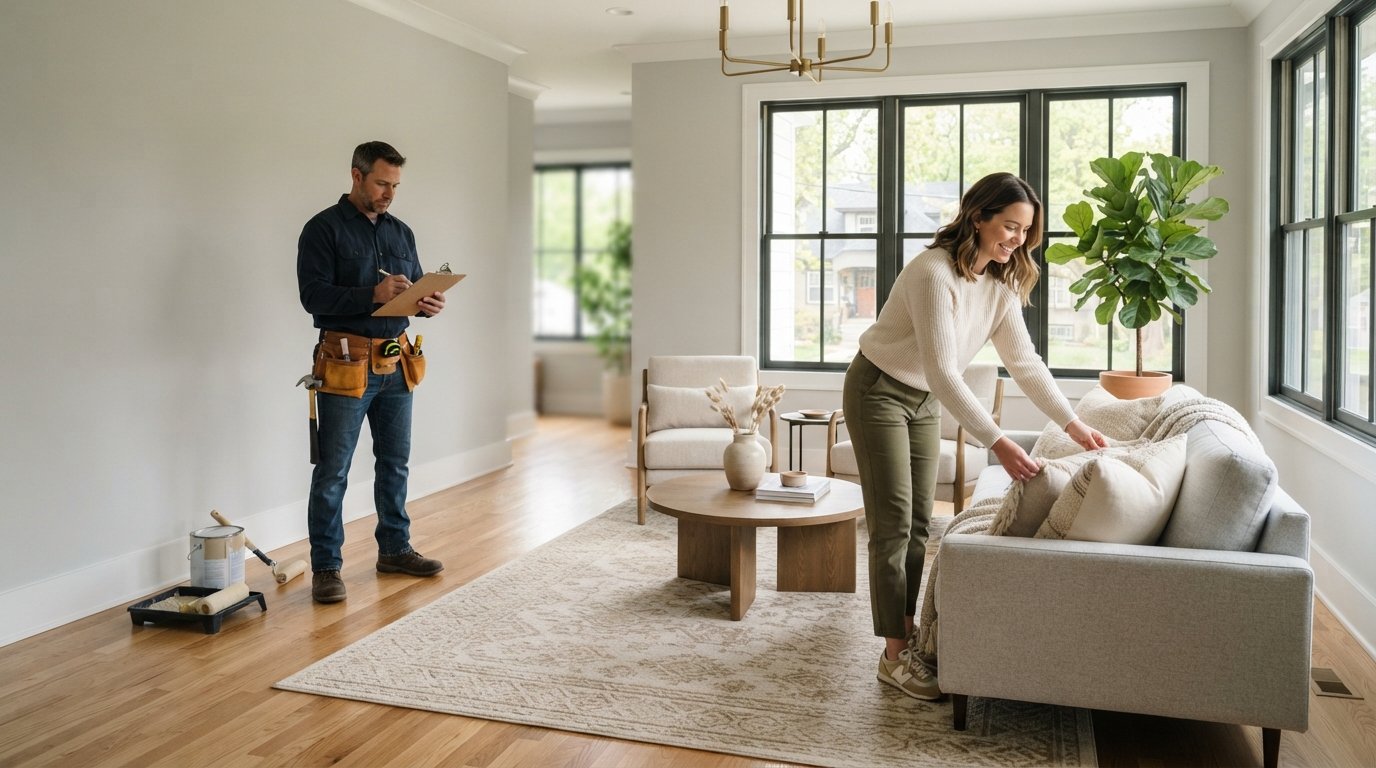
You have decided to sell, and now the clock is ticking. Every week your house sits on the market costs you money in carrying costs, and buyers start to wonder why it has not sold. The good news is that you do not need a full remodel to make your home irresistible. Strategic home staging renovations that help a house sell faster focus on high-impact, low-cost improvements that make buyers stop, look, and make an offer. By combining smart repairs with professional staging, you can shorten your days on market and often command a higher price. This guide walks you through which renovations are worth doing before staging, which rooms deliver the best return, how to stage while living in the home, and how to coordinate stagers and contractors on a tight timeline.
Renovations Worth Doing Before Staging vs. After
Not every renovation belongs on your pre-listing to-do list. The key is to distinguish between fixes that remove buyer objections and upgrades that are simply cosmetic. Renovations done before staging should eliminate red flags that would make a buyer walk away or lowball an offer. Think structural issues, safety hazards, and anything that signals neglect. Cosmetic upgrades, on the other hand, can often be handled by the stager through furniture placement, lighting, and decor, saving you time and money.
Before you schedule any contractor, walk through your home with a critical eye (or bring in a stager for a consultation). Ask yourself: What would make a buyer hesitate? Leaky faucets, dated light fixtures, scuffed walls, and worn carpet are all common culprits. These are the items that belong in the before-staging renovation bucket. They are relatively inexpensive to fix and they remove visible reasons for a buyer to say no.
Here is a simple framework to prioritize your pre-staging renovations:
- Must-fix items: Address safety and structural problems first. This includes roof leaks, foundation cracks, electrical hazards, and plumbing issues. Buyers will either run or demand a steep discount if these are present.
- High-impact cosmetic repairs: Patch and paint walls, replace outdated light fixtures, fix squeaky doors, and update worn flooring in main living areas. These changes photograph well and signal a well-maintained home.
- Deferred cosmetic upgrades: Save major kitchen or bathroom remodels for after staging unless they are truly dysfunctional. A stager can often work wonders with what you have, and you may not recoup the full cost of a full remodel in a fast sale.
After you have tackled the must-fix and high-impact repairs, bring in the stager. They will assess what remains and use their expertise to highlight your home's best features. If you are unsure which repairs are truly necessary, consider getting a pre-listing inspection. It gives you a clear picture of what buyers will discover and allows you to fix problems on your terms, rather than negotiating credits later. For a deeper dive into staging strategies that complement these renovations, see our home staging tips to sell faster for more money.
Rooms Where Staging Delivers the Strongest Return
Staging every room is ideal, but if your budget or timeline is limited, focus on the spaces that buyers care about most. The living room, kitchen, and primary bedroom are the top three areas that influence a buyer's emotional connection to a home. These are the rooms where staging can turn a maybe into a yes.
The living room is often the first room buyers see, and it sets the tone for the entire showing. A stager will arrange furniture to create a conversation area, add soft textiles, and ensure the room feels open and inviting. They may also suggest minor renovations like painting the walls a neutral color or replacing dated window treatments. In the kitchen, staging focuses on decluttering countertops, adding a few decorative elements (like a bowl of fruit or a vase of flowers), and ensuring the space feels clean and functional. If your kitchen lacks a backsplash or has old hardware, these are inexpensive renovations that can make a big difference. The primary bedroom should feel like a retreat: neutral bedding, soft lighting, and minimal furniture will help buyers imagine themselves relaxing there.
Other rooms can be staged more lightly. Bathrooms should be clean and spa-like, with fresh towels and a new shower curtain. Dining areas can be set with simple place settings. Home offices and kids' rooms should be decluttered and depersonalized. The goal is to help buyers see the potential in every space without overwhelming them with clutter. According to the National Association of Realtors, staging the living room alone can increase perceived value by up to 5%, so it pays to prioritize these key areas.
How to Stage While Living in the Home During Showings
Staging a home you are still living in requires discipline and a plan. The goal is to keep the home show-ready at a moment's notice while maintaining your daily routine. Start by decluttering aggressively. Remove personal items, excess furniture, and anything that makes the space feel crowded. A good rule of thumb: if you have not used it in a year, pack it away. This not only makes staging easier but also gives you a head start on moving.
Next, create a staging kit with items you can quickly put out for showings: fresh towels, a few decorative pillows, a small vase, and maybe a tray with coffee cups. Keep these in a closet or bin so you can set them out in minutes. Develop a routine for showings: open all curtains and blinds, turn on all lights, and do a final walkthrough to ensure everything is in place. Consider hiring a professional cleaner for a deep clean before your first showing, and then maintain it with quick daily tidy-ups.
It also helps to set expectations with your family. Assign each person a room to tidy daily, and keep a basket for quickly stashing stray items when a showing is scheduled. If you have pets, make arrangements for them to be out of the house during showings, and remove all evidence of pet odors and hair. Remember, the goal is to make buyers feel like they are walking into a model home, not someone's lived-in space. With a little planning, you can stage your home beautifully while still living in it comfortably.
Coordinating a Stager with Contractors on a Tight Timeline
When you are working with a short timeline, coordination between your stager and contractors is critical. The best approach is to bring in the stager first for a consultation. They can identify which renovations will have the greatest impact and which can be skipped. Then, hire contractors to complete the necessary repairs. Schedule the work in phases: start with must-fix items that could delay a sale, then move to cosmetic updates. Keep your stager informed of the schedule so they can plan their staging around the completion of work.
Communication is key. Create a shared calendar or checklist that includes all contractor visits, delivery dates for rental furniture, and the final staging day. If possible, have the stager and contractor communicate directly to avoid miscommunications. For example, if the stager plans to add a large piece of furniture, the contractor should know not to schedule painting in that area on the same day. Build in buffer time for unexpected delays, and always have a backup plan for the final staging if a contractor runs late.
If you need help finding reliable contractors for your pre-staging renovations, consider using a service that connects you with vetted professionals. HomeRemodelingsContractors.com helps homeowners plan affordable home improvement projects and connect with experienced local contractors. They offer free estimates so you can compare options and move forward with confidence. By leveraging such resources, you can streamline the renovation process and ensure your home is staged and ready for the market quickly.
Final Thoughts
Home staging renovations that help a house sell faster are not about spending the most money; they are about spending wisely. Focus on fixes that remove buyer objections, stage the rooms that matter most, and keep your home show-ready with a simple routine. When you coordinate your stager and contractors effectively, you can transform your home in weeks, not months, and attract the right buyer at the right price. With a strategic approach, your home will not sit on the market for long.