
Basement Waterproofing Cost and Dry Basement Solutions
Get a clear picture of basement waterproofing cost and solutions for a dry basement. Call (833)-365-8755 for expert help and free estimates.

By Elena Ellis
Learn more about Home Waterproofing for guides, costs, and what to expect.
Compare Home Waterproofing Pros Near You

Enter your ZIP code to compare top-rated local professionals and request free quotes.
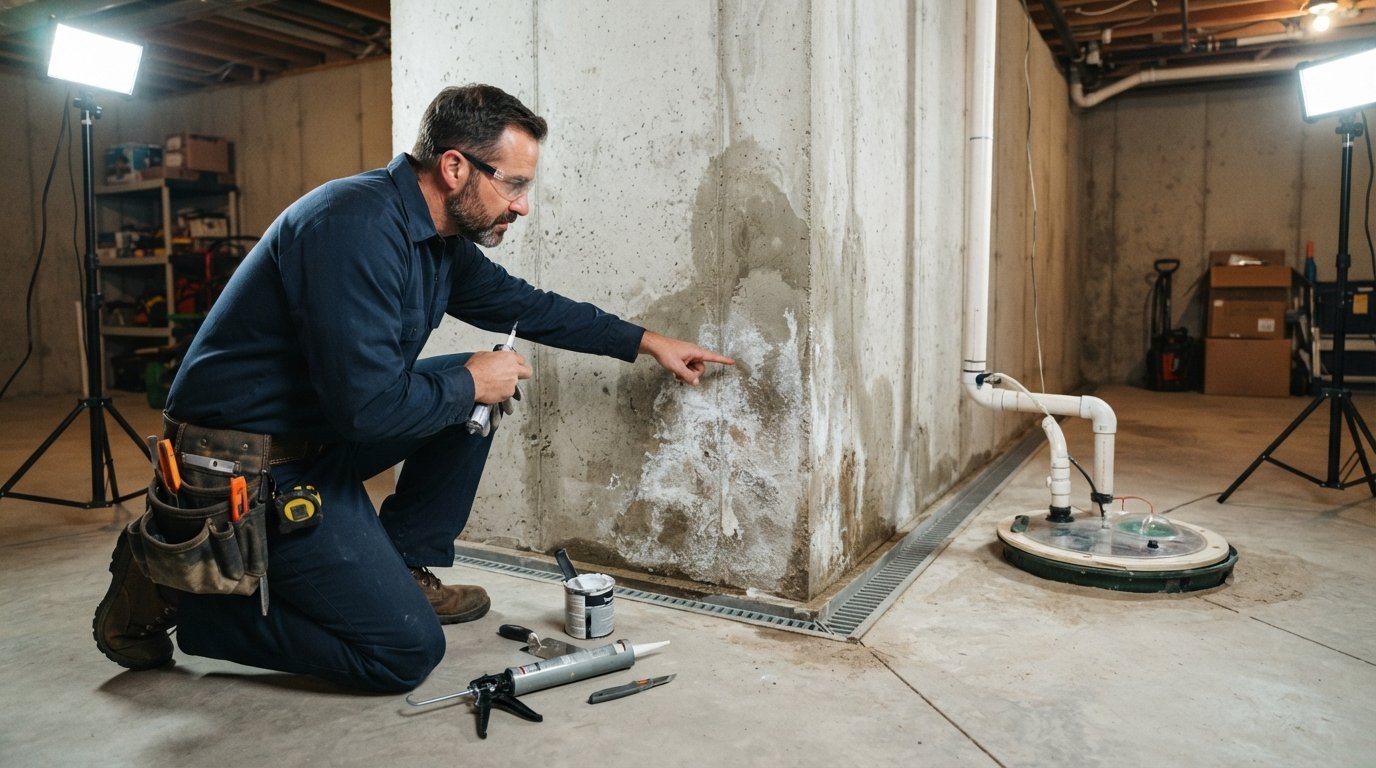
A damp, musty basement is more than a nuisance. It can undermine your home's structural integrity, ruin stored belongings, and create a breeding ground for mold. If you have noticed water stains on the walls, a white powdery substance on the concrete, or a persistent earthy smell, you are likely facing a water intrusion problem that will not fix itself. The good news is that understanding basement waterproofing cost and solutions for a dry basement puts you in a stronger position to hire the right professional and protect your investment. This guide breaks down the real numbers, the methods that work, and the add-ons that keep your lower level dry for years.
Why Basement Waterproofing Is a Necessary Investment
Water finds its way into basements through several paths: hydrostatic pressure from saturated soil, cracks in the foundation, porous concrete, and poor exterior drainage. Ignoring these issues allows water to slowly degrade the foundation and create an environment where mold thrives. According to industry data, a significant percentage of basements in the United States experience some form of water intrusion, and the problem tends to worsen over time. The cost of waterproofing is almost always lower than the cost of structural repairs, mold remediation, and lost property value. When you factor in the health benefits of a dry environment and the improved usability of the space, waterproofing becomes a smart financial decision.
Homeowners often ask whether they should tackle waterproofing before or after finishing a basement. The answer is simple: always waterproof first. Finishing a basement without addressing moisture is a recipe for disaster. Drywall, insulation, and flooring can trap moisture and accelerate mold growth. A dry basement is the foundation for any livable space, whether you plan to create a home office, a gym, or an extra bedroom. For a deeper comparison of methods and their associated costs, our guide on basement waterproofing methods and cost comparison provides a side-by-side breakdown that complements this article.
Signs of Water Intrusion That Require a Structural Fix
Not all dampness calls for a full waterproofing system. Sometimes a simple fix like extending a downspout or regrading the soil can solve the problem. However, certain signs indicate that water is entering through the foundation itself and that a structural solution is necessary. Identifying these signs early can save you from more extensive damage later. Here are the key indicators that you need a professional assessment and likely a structural fix:
- Visible cracks in the foundation walls or floor: Horizontal cracks are especially concerning because they can indicate soil pressure that may lead to bowing walls.
- Efflorescence: A white, powdery deposit on concrete walls is a sign that water is moving through the masonry and leaving mineral salts behind.
- Standing water or chronic seepage: If water pools on the floor after rain or you see a steady trickle along the cove joint (where the wall meets the floor), interior drainage is likely required.
- Musty odors and mold growth: Persistent smells and visible mold on walls or stored items suggest high humidity and ongoing moisture intrusion.
- Bowing or leaning walls: This is a sign of serious structural stress and requires immediate attention from a foundation specialist.
If you notice any of these signs, do not delay. A small crack can widen quickly, and the cost of repair escalates with the extent of the damage. A professional waterproofing contractor can evaluate your situation and recommend the most cost-effective solution. For homeowners planning broader improvements, connecting with experienced local pros through HomeRemodelingsContractors.com can help you compare options and move forward with confidence.
Interior Drain Tile vs. Exterior Membrane: Cost Comparison
When it comes to waterproofing a basement, two primary approaches dominate: interior drain tile systems and exterior membrane systems. Each has distinct advantages, drawbacks, and price points. Understanding the difference helps you make an informed decision based on your home's construction, the severity of the water problem, and your budget.
Interior Drain Tile Systems
An interior drain tile system involves installing a perforated pipe along the inside perimeter of the basement floor, typically embedded in gravel and covered with concrete. This system collects water that seeps through the walls or floor and directs it to a sump pump, which then discharges the water away from the home. The installation process requires breaking up a strip of the concrete floor around the perimeter, which is less invasive than exterior excavation. Interior systems are effective for managing hydrostatic pressure and are generally less expensive than exterior solutions. The typical cost for an interior drain tile system ranges from $2,000 to $6,000, depending on the linear footage and the complexity of the installation.
Exterior Membrane Systems
Exterior waterproofing involves excavating the soil around the foundation to expose the exterior walls, applying a waterproof membrane or coating, and installing a drainage board and footing drain. This method addresses the problem at its source by preventing water from entering the foundation in the first place. However, it is more labor-intensive and costly due to the excavation. The cost for exterior membrane waterproofing typically falls between $8,000 and $15,000 or more, depending on the accessibility of the foundation and the size of the home. Exterior systems are ideal for homes with severe water issues or when the foundation is already exposed due to other work.
When comparing the two, consider the long-term effectiveness and the disruption to your landscaping. Interior systems are less disruptive and often sufficient for moderate water problems. Exterior systems are more comprehensive but come with a higher price tag. In some cases, a combination of both may be recommended for maximum protection. For a detailed breakdown of these methods, including pros and cons, refer to our comparison guide mentioned earlier.
Sump Pump and Dehumidifier Add-On Costs
Regardless of the waterproofing method you choose, a sump pump and a dehumidifier are often essential add-ons to maintain a dry basement. A sump pump removes collected water, while a dehumidifier controls humidity levels, preventing condensation and mold growth. Here is what you can expect to pay for these components:
- Sump pump installation: A primary sump pump costs between $400 and $1,200 installed, depending on the horsepower and brand. A battery backup system adds $300 to $800.
- Dehumidifier: A standalone dehumidifier for a basement costs $200 to $600, while a whole-home or ducted system can range from $1,500 to $3,000 installed.
- Drainage matting and vapor barriers: If you are finishing the basement, adding a subfloor drainage mat and vapor barrier can cost $1 to $3 per square foot.
These add-ons are not just accessories; they are critical to the overall performance of your waterproofing system. A sump pump without a backup can fail during a power outage, leaving your basement vulnerable. A dehumidifier without proper drainage will require frequent emptying. Budgeting for these components upfront ensures a complete solution and avoids surprises later.
Permits and Inspections for Waterproofing Work
Basement waterproofing often requires permits, especially when it involves structural changes, electrical work for sump pumps, or modifications to the foundation. Permits ensure the work meets local building codes and safety standards. The cost of permits varies by municipality but typically ranges from $100 to $500. Inspections are usually included in the permit process, and a qualified contractor will handle the paperwork and schedule the inspections. Skipping permits can lead to fines, complications during a home sale, and potential safety hazards. Always ask your contractor about permits and ensure they are obtained before work begins. A reputable contractor will be transparent about the permitting process and include it in the estimate.
In addition to permits, some waterproofing systems come with warranties that require professional installation and inspection. For example, many interior drain tile systems offer transferable warranties of 10 years or more when installed by a certified dealer. These warranties can add value to your home and provide peace of mind. Be sure to read the fine print and understand what is covered and what maintenance is required to keep the warranty valid.
Choosing the Right Contractor for Your Basement Waterproofing
Hiring the right contractor is as important as choosing the right method. Here are a few tips to ensure you get quality work at a fair price:
- Get multiple estimates: Obtain at least three written estimates from licensed and insured contractors. Compare not just the price but also the scope of work, warranty, and timeline.
- Check credentials: Verify the contractor's license, insurance, and references. Look for certifications from manufacturers, which often indicate specialized training.
- Ask about warranties: A good contractor will offer a warranty on both materials and labor. Understand the terms and whether the warranty is transferable.
- Review the contract carefully: Ensure the contract includes a detailed description of the work, materials, payment schedule, and start and end dates.
For homeowners who want to streamline the process of finding reliable local contractors, BuySellRemodel offers a free service that connects you with vetted professionals in your area. You can request estimates quickly and compare options without the guesswork. Visit BuySellRemodel to learn more and get started on your dry basement project today.
Frequently Asked Questions About Basement Waterproofing
How much does basement waterproofing cost? The cost varies widely based on the method and the size of the basement. Interior drain tile systems typically cost $2,000 to $6,000, while exterior membrane systems range from $8,000 to $15,000. Add-ons like sump pumps and dehumidifiers add $500 to $3,000. Always get a professional assessment for an accurate estimate.
Can I waterproof my basement myself? While some minor fixes like sealing cracks or improving drainage can be DIY, major waterproofing systems require specialized equipment and expertise. Improper installation can worsen the problem and void warranties. It is best to hire a professional.
How long does basement waterproofing last? With proper installation and maintenance, interior drain tile systems can last 30 years or more. Exterior membranes also have a long lifespan, typically 20 to 30 years. Regular maintenance, such as cleaning the sump pump and checking for clogs, extends the life of the system.
Does waterproofing increase home value? Yes, a dry basement is a valuable selling point. It can increase your home's resale value and make it more attractive to buyers. It also protects against future structural damage, which is a significant concern for home inspectors and appraisers.
What is the best time of year to waterproof a basement? Waterproofing can be done year-round, but it is often easier to schedule in drier months when the water table is lower. However, if you have an active leak, do not wait for the dry season. Address the problem promptly to prevent further damage.
Protecting your basement from water intrusion is one of the most important investments you can make as a homeowner. By understanding the costs, methods, and signs that require professional help, you can make informed decisions and enjoy a dry, healthy living space. Whether you choose an interior drain tile system, an exterior membrane, or a combination of solutions, the key is to act early and work with a qualified contractor. A dry basement not only enhances your home's value but also provides peace of mind for years to come.
Learn more about Home Waterproofing for guides, costs, and what to expect.
Compare Home Waterproofing Pros Near You
Enter your ZIP code to compare top-rated local professionals and request free quotes.