
Pre Construction Steps Before a Major Home Renovation
Complete these pre construction steps before a major home renovation begins to avoid costly delays. Call (833)-365-8755 for expert contractor matching.

Learn more about Home Remodeling for guides, costs, and what to expect.
Compare Home Remodeling Pros Near You

Enter your ZIP code to compare top-rated local professionals and request free quotes.
A major home renovation can transform your living space, but the success of the project is often determined long before the first hammer swings. The pre construction phase is where careful planning, clear communication, and thorough preparation set the stage for a smooth, on-budget remodel. Skipping these steps can lead to costly delays, unexpected expenses, and stressful surprises. Whether you are updating a kitchen, adding a bathroom, or reimagining your entire home, taking the time to complete the necessary pre construction steps before a major home renovation begins is essential. This guide walks you through the critical actions you need to take, from securing permits to protecting your property, so you can move forward with confidence.
Secure Permits and Approvals Before Any Work Starts
One of the most important pre construction steps is obtaining the required permits and approvals from your local building department. Many homeowners underestimate the complexity of this process, but failing to secure permits can result in fines, forced removal of work, and complications when selling your home. Start by contacting your local municipality to understand which permits are needed for your specific project. Typically, structural changes, electrical work, plumbing modifications, and additions all require permits, while cosmetic updates like painting or replacing fixtures may not.
Your contractor should be able to guide you through the permit application process, but as the homeowner, you are ultimately responsible for ensuring that all approvals are in place. Submit your plans early, as review times can vary from a few days to several weeks depending on your location and the scope of work. Once permits are issued, schedule the required inspections at the appropriate stages of the project. Your contractor should provide a timeline of inspections, including foundation, framing, electrical, plumbing, and final inspections. Keeping a checklist of these milestones helps avoid delays and ensures that work is completed to code.
In addition to building permits, check whether your project requires approval from a homeowner's association (HOA) or historic preservation board. These approvals can add time to your schedule, so begin the process as early as possible. Document all approvals and keep them accessible for reference throughout the renovation.
Protect Your Home and Landscape Before Demolition
Demolition and construction generate dust, debris, and foot traffic that can damage areas of your home not slated for renovation. Protecting your property is a key pre construction step that many homeowners overlook. Before work begins, walk through your home with your contractor to identify areas that need protection. Cover floors with heavy-duty drop cloths or rosin paper, especially along the main path from the entry to the work zone. Seal off HVAC returns and supply vents with plastic sheeting and tape to prevent dust from circulating through your ductwork. Consider installing temporary zip-wall barriers to contain dust and noise within the work area.
Landscaping and exterior features also need protection. Mark sprinkler heads, lighting fixtures, and drainage areas that could be damaged by heavy equipment or material deliveries. If your project involves major excavation or access to the backyard, discuss with your contractor how to minimize impact on lawns, shrubs, and hardscaping. You may need to remove or relocate plants, or install temporary fencing to protect trees and garden beds.
Create a plan for protecting your belongings as well. Move furniture, artwork, and fragile items out of the work zone or cover them with plastic. For larger projects, consider renting a storage unit to keep items safe and free up space for the crew. A thorough protection plan not only prevents damage but also makes the cleanup process easier and less expensive.
Coordinate Utility Shutoffs and Site Logistics
Before demolition begins, you need to coordinate utility shutoffs and plan for temporary services. Water, electricity, and gas may need to be turned off in certain areas to allow for safe demolition and new installations. Work with your contractor to schedule shutoffs with your utility providers, and inform your household members of the timing so they can plan accordingly. In some cases, you may need to arrange for temporary power or water, especially if the project will leave you without these services for an extended period.
Dumpster placement is another critical logistic to arrange. Construction debris needs to be removed efficiently, and having a dumpster on-site from the start keeps the work area safe and organized. Check with your municipality or HOA about permit requirements for dumpsters and confirm that the placement does not block driveways, sidewalks, or neighbor access. If space is limited, consider a smaller dumpster or a scheduled debris removal service.
Plan for material deliveries and crew access as well. Determine where trucks will park, how materials will be stored, and which entry points the crew will use. Clear driveways and pathways to facilitate the safe movement of workers and equipment. By thinking through these logistics ahead of time, you reduce the risk of accidents and delays.
Notify Your Insurer, Neighbors, and Key Contacts
Communication is a cornerstone of a successful renovation, and notifying your insurance company and neighbors should be part of your pre construction checklist. Contact your homeowner's insurance provider to confirm that your policy covers the planned work and to inquire about any additional coverage you may need during construction. Some policies require you to disclose major renovations, and failing to do so could jeopardize your coverage. Ask about builder's risk insurance if your contractor does not carry it, as this can protect you from liability during the project.
Neighbors should also be informed about the upcoming work, especially if it will involve noise, dust, or street closures. A friendly conversation or a written notice can go a long way in maintaining good relationships and reducing complaints. Provide neighbors with a rough timeline and your contractor's contact information for any concerns. If your project will impact shared walls, fences, or access, discuss these issues in advance and seek cooperation.
Internally, make sure all household members understand the renovation schedule and any changes to daily routines. Set up a communication plan with your contractor, including regular check-ins and a shared document for decisions and change orders. Keeping everyone informed minimizes confusion and helps the project stay on track.
Finalize Plans, Budgets, and Contracts
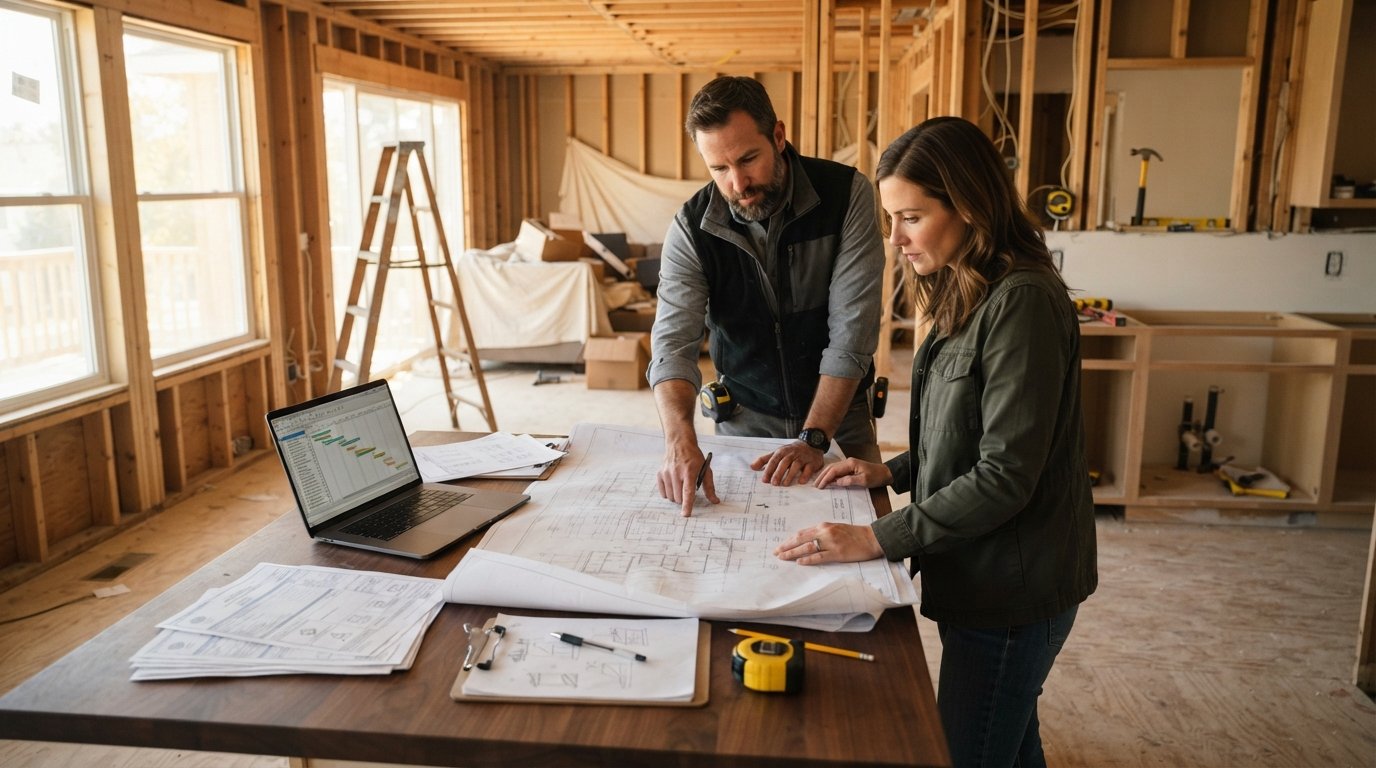
Before construction begins, you must finalize the project plans, budget, and contract with your contractor. Review the detailed drawings and specifications with your contractor to ensure that everyone understands the scope of work. Any changes at this stage are far less expensive than changes made during construction. Confirm the budget, including a contingency fund of 10 to 20 percent to cover unexpected issues. Review the payment schedule and terms of the contract carefully, and make sure that all verbal agreements are written into the document.
For homeowners seeking reliable professionals, platforms like HomeRemodelingsContractors can help you connect with experienced local contractors who understand the importance of thorough pre construction planning. A reputable contractor will walk you through each step, from permits to protection, ensuring that nothing is overlooked.
In our guide on home renovation planning steps, we explain how to avoid common mistakes that can derail your project. Taking the time to plan thoroughly now saves you time, money, and stress later.
Finally, schedule a pre construction meeting with your contractor and key team members to review the plan, confirm timelines, and address any last-minute questions. This meeting is your opportunity to ensure that everyone is on the same page and that the project starts on solid footing.
By completing these pre construction steps before a major home renovation begins, you set the stage for a successful project. From permits and protection to logistics and communication, each step plays a vital role in keeping your renovation on time and on budget. With careful preparation, you can look forward to the transformation of your home with confidence and peace of mind.