
Home Staging Tips to Sell Faster for More Money
Professional home staging can increase your sale price by up to 20% and help you sell faster. Learn practical strategies for every room.

By Leo Cross
Learn more about Home Remodeling for guides, costs, and what to expect.
Compare Home Remodeling Pros Near You

Enter your ZIP code to compare top-rated local professionals and request free quotes.
Selling a home is one of the most significant financial transactions you will ever make. The goal is simple: achieve the highest possible sale price in the shortest amount of time. While location, market conditions, and pricing are critical, there is a powerful tool that can dramatically influence buyer perception and ultimately your bottom line. That tool is home staging. It is the strategic art of preparing a private residence for sale in the real estate marketplace. This process goes beyond simple cleaning and decluttering; it involves a careful curation of furniture, decor, and layout to highlight a home's strengths and minimize its weaknesses. In a competitive market, staging is not an optional luxury, it is a fundamental investment that can yield substantial returns.
Buyers are not just purchasing square footage, they are buying a lifestyle and a vision of their future. An empty room is hard to visualize as a cozy living space, and a cluttered room can feel smaller and less inviting. Professional home staging bridges this gap by creating an environment that is neutral, appealing, and aspirational. It allows potential buyers to see themselves living in the space, which is the emotional connection that often leads to an offer. This article will explore the ins and outs of home staging, providing you with actionable strategies and insights to maximize your home's appeal and your financial gain.
Why Home Staging Matters More Than You Think
The real estate industry is full of statistics that highlight the importance of staging. According to the National Association of Realtors (NAR), a significant percentage of buyers' agents say that staging a home makes it easier for a buyer to visualize the property as their own. This visualization is the first critical step in the buying process. When a buyer can emotionally connect with a space, they are more likely to submit a competitive offer. Staging also helps your home photograph better. In today's digital age, 95% of home buyers start their search online. High-quality, professionally staged photos are the first impression you make, and they can be the difference between a buyer scheduling a showing or scrolling past your listing.
Beyond the emotional appeal, staging has a tangible financial impact. The same NAR report reveals that staging a home can increase the dollar value offered by buyers by one to five percent compared to similar unstaged homes. On a $400,000 home, that is a potential increase of $4,000 to $20,000. Furthermore, staged homes tend to sell faster. A home that sits on the market for too long can develop a stigma, leading buyers to wonder if something is wrong with it. By presenting your home in its best possible light from day one, you reduce the time it spends on the market, which can also strengthen your negotiating position. The return on investment for staging is often exceptional, especially when you consider the cost of a price reduction on an unsold home.
The Core Principles of Effective Home Staging
Successful home staging is not about making a home look expensive or impersonal. It is about creating a clean, welcoming, and neutral canvas that appeals to the broadest possible range of buyers. There are several core principles that guide professional stagers, and you can apply these same principles yourself, whether you choose to hire a professional or take the DIY route.
Declutter and Depersonalize
This is the most fundamental and often the most challenging step. The goal is to allow buyers to imagine their own belongings in the space. This means removing personal photographs, quirky collections, religious items, and any decor that might distract or alienate a potential buyer. You need to pack away the vast majority of your personal items, including family photos, trophies, and souvenirs. The goal is to transform your house from your home into a neutral product that is ready for the market. Rent a storage unit if necessary to keep your home clutter-free during the selling process. This also includes clearing off countertops in the kitchen and bathroom, removing excess furniture, and organizing closets to make them look spacious.
Deep Clean and Make Minor Repairs
Every surface in your home should be spotless, from baseboards and window sills to light fixtures and ceiling fans. Pay special attention to the kitchen and bathrooms, as these areas are heavily scrutinized by buyers. Scrub grout, polish fixtures, and ensure everything smells fresh. A home that is deeply clean signals to buyers that the property has been well-maintained. Additionally, address minor repairs that could be perceived as red flags. Fix leaky faucets, replace burned-out light bulbs, repair cracked tiles, and patch holes in the walls. These small investments can prevent buyers from negotiating a lower price or walking away altogether. A home that looks neglected can make buyers question the condition of the major systems, like the roof or HVAC.
Neutralize and Refresh
Once your home is decluttered and spotless, it is time to look at the paint colors and overall aesthetic. Bold or personalized color schemes can be a turn-off for buyers. The safest and most effective approach is to repaint walls in neutral tones like soft greys, warm beiges, or crisp whites. These colors create a blank canvas that helps buyers focus on the space itself rather than the decor. Neutral walls also make rooms feel larger and brighter. A fresh coat of paint can do wonders, especially in high-traffic areas that may have scuffs or marks. Don't forget the front door; a freshly painted front door is a welcoming touch that sets a positive tone for the entire showing.
Room-by-Room Staging Strategies
While the principles of staging apply throughout the home, each room has its own specific considerations. A successful staging strategy addresses the unique function and feel of each space to create a cohesive and appealing whole.
Living Room: The Heart of the Home
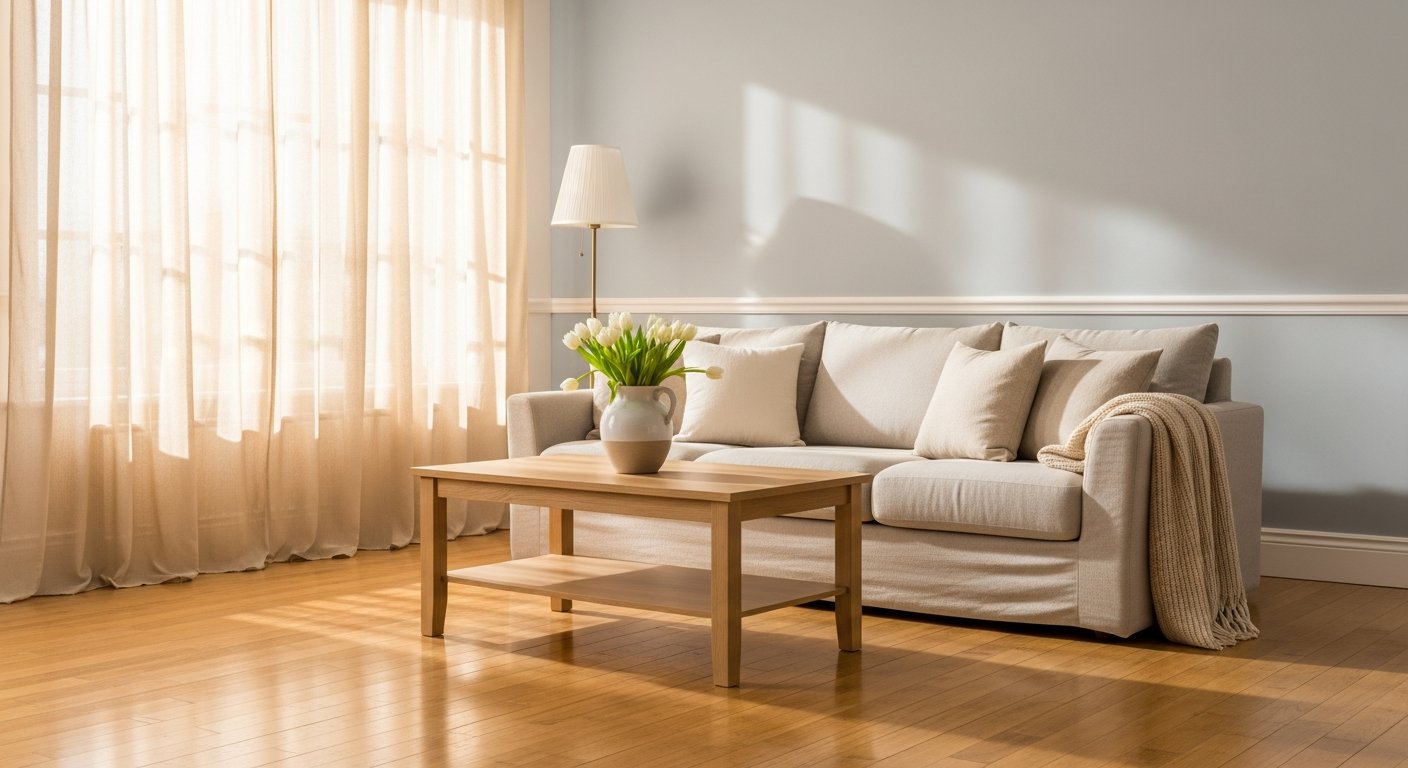
The living room is often the largest and most important gathering space. The goal is to create a layout that encourages conversation and feels spacious. Arrange furniture to create a clear focal point, such as a fireplace or a large window with a view. Remove any oversized or excess furniture that makes the room feel cramped. Fluff pillows, add a cozy throw blanket, and ensure good lighting with a mix of overhead and floor lamps. In an empty living room, consider renting furniture to show the scale and potential of the space. The goal is to make it look inviting, comfortable, and easy for a buyer to see themselves relaxing there.
Kitchen: The Most Important Room
Experts often say that the kitchen sells the house. It is the most expensive room to remodel, so buyers place a high value on a clean, functional, and attractive kitchen. Start by clearing all countertops, leaving out only a few decorative items like a fruit bowl or a coffee maker. Remove magnets, papers, and small appliances from sight. Deep clean the oven, stovetop, and refrigerator. Polish the sink and faucets. If your cabinets are outdated, one of the most cost-effective upgrades is simply replacing the hardware. A bowl of fresh fruit or a vase of simple flowers can add a touch of life and color.
Primary Bedroom: An Oasis of Calm
The primary bedroom should feel like a serene retreat. Buyers want to imagine a peaceful space where they can unwind. Remove clutter from nightstands and dressers. Use neutral, high-quality bedding in white or soft earth tones. Layer pillows and throws to create a luxurious, hotel-like feel. Ensure the room is well-lit, with soft lighting options. If the room is small, remove any bulky furniture that overwhelms the space. A clean, uncluttered, and tranquil primary bedroom is a powerful selling point.
Bathrooms: Sparkle and Shine
Bathrooms need to sparkle. Buyers are looking for signs of mold, mildew, or poor maintenance. Deep clean all surfaces, including the shower, tub, toilet, and sink. Replace old shower curtains and towels with fresh, fluffy white ones. Add a new soap dispenser and a clean bath mat. Fix any grout or caulking that is discolored. The goal is to make the bathroom feel like a clean, hygienic, and even luxurious space. A simple spa-like atmosphere can go a long way in creating a positive impression.
The Cost vs. The Return: Is Staging Worth It?
One of the most common questions homeowners have is whether the cost of home staging is justified. The answer is almost always yes, but it depends on several factors, including your local market, your home's condition, and your budget. There are several ways to approach staging, each with its own cost structure. You can stage your home yourself by decluttering, cleaning, and rearranging furniture. This is the most affordable option but requires significant time and effort. A more effective approach is to hire a professional stager who can bring in furniture and accessories to enhance your home's appeal. This can cost anywhere from a few hundred to several thousand dollars, depending on the size of your home and the extent of the work. Another popular option is virtual staging, where designers digitally add furniture to photos. This is cheaper for marketing but does not help with in-person showings.
To help you weigh your options, here are some key takeaways to consider:
- Return on Investment: According to industry data, staged homes can sell for 5% to 20% more than their unstaged counterparts.
- Speed of Sale: Staged homes often sell in half the time compared to non-staged homes, reducing the stress and cost of carrying a mortgage.
- Buyer Perception: Staging helps buyers see the full potential of a home, making them more willing to pay a premium.
- Online Appeal: Staged photos stand out in online listings, attracting more clicks and showing requests.
- Cost-Effective Fixes: Simple DIY staging, like a thorough deep clean and decluttering, can be done for under $500 and still yield significant benefits.
While the upfront cost of professional staging can seem daunting, consider it an investment in your home's final sale price. A $2,000 staging investment on a $400,000 home can yield a 5% increase in sale price, which is $20,000. That is a 10x return on your investment. Furthermore, a staged home is less likely to sit on the market, which can lead to price reductions. The cost of staging is far less than the cost of a single price cut.
DIY vs. Professional Home Staging
Deciding whether to stage your home yourself or hire a professional depends on your budget, time, and the condition of your home. For a vacant property, professional staging is often essential because buyers cannot visualize the scale of rooms. A professional stager has access to a large inventory of furniture, art, and accessories, and they have the expertise to arrange them to maximize appeal. They can also provide an unbiased, objective eye on your home's weaknesses, which can be difficult to see when you are emotionally attached to it. If your home is occupied, you may be able to achieve a good result by following DIY staging principles, especially if you are willing to be ruthless about decluttering and depersonalizing.
However, there is a middle ground. You can start by doing the deep cleaning and decluttering yourself, then hire a professional stager for a consultation. They can walk through your home, identify problem areas, and provide a specific checklist of items to address. This can be a cost-effective way to get expert advice without paying for full service. Many homeowners also choose to rent individual pieces of furniture or decor to fill an empty room or update a dated space. The key is to be honest about your own skills and time. If you are not confident in your design abilities, or if you simply do not have the time to dedicate to the process, hiring a professional is a smart investment.
Preparing for the Market with BuySellRemodel
Once your home is beautifully staged, you need to get it in front of the right buyers. This is where a trusted partner like BuySellRemodel can be invaluable. BuySellRemodel is not a staging company, but it is a powerful platform that connects homeowners with experienced local contractors for any pre-sale repairs, upgrades, or renovations you might decide to tackle. From replacing old flooring to repainting the exterior, their network of vetted professionals can handle the projects that will boost your home's value and appeal. Staging often reveals areas that need attention, such as a dated backsplash or a worn front door. Instead of DIYing these projects or hiring a random contractor, you can use BuySellRemodel to get free estimates from multiple qualified local pros. This ensures you get the job done right, at a price that fits your budget.
Moreover, BuySellRemodel is an excellent resource if you are preparing to sell your home and need to make it market-ready. The platform helps you plan affordable home improvement projects, so you can focus your staging budget on the improvements that will give you the greatest return. Whether it is a minor repair or a full-scale remodel, their goal is to make the process of hiring a contractor simple and transparent. By leveraging their free estimate service, you can compare quotes, check contractor credentials, and feel confident that you are making a smart investment in your property. This proactive approach can significantly reduce the stress of selling your home.
In addition to connecting you with contractors, BuySellRemodel provides a wealth of educational content to guide your decisions. Their blog is filled with articles on budgeting, renovation ideas, and contractor hiring, which can help you prioritize your staging and pre-sale improvements. By aligning your home improvement efforts with a strategic plan, you can maximize your home's selling potential and avoid costly mistakes. The platform is designed to give homeowners the tools and resources they need to navigate the complexities of a home sale with confidence. By combining effective staging with strategic, professional improvements, you can present your home as the best option on the market.
Final Thoughts on Home Staging
Home staging is a critical step in the home selling process. It is not about disguising flaws; it is about highlighting your home's best features and helping buyers envision a life there. The benefits are clear: faster sales, higher offers, and a more positive selling experience. Whether you choose a comprehensive DIY approach or invest in professional services, the principles of decluttering, deep cleaning, neutralizing, and strategically arranging your space are the keys to success. Remember, the money you spend on staging is an investment, not an expense. In a competitive market, it is often the difference between a home that sits and a home that sells.
To wrap up, take a fresh look at your home from a buyer's perspective. Walk through each room and be honest about what needs to be done. Use the resources available to you, from professional stagers to the contractor network at BuySellRemodel, to address any issues that could hinder a sale. A well-staged home tells a story of care, quality, and readiness. By putting in the effort upfront, you are setting the stage for a successful and profitable sale. Your goal is to make your home so inviting that buyers are not just interested, they are compelled to make an offer.
Learn more about Home Remodeling for guides, costs, and what to expect.
Compare Home Remodeling Pros Near You
Enter your ZIP code to compare top-rated local professionals and request free quotes.