
Contractor Warranty and Guarantee Explained for Homeowners
Understand contractor warranty and guarantee terms, coverage gaps, and claim steps. Call (833)-365-8755 to compare local pros and protect your project.

Learn more about General Contracting for guides, costs, and what to expect.
Compare General Contracting Pros Near You

Enter your ZIP code to compare top-rated local professionals and request free quotes.
You just handed over the final payment for a new deck, a bathroom remodel, or a roof replacement. The contractor shakes your hand, says the work is guaranteed, and drives away. Six months later, a tile pops loose or a seam opens up. You call the number on the invoice, and suddenly nobody remembers you. This scenario plays out in kitchens and basements across the country every week, and it almost always traces back to a misunderstanding about what a contractor warranty and guarantee actually promises. For homeowners, the difference between a vague verbal promise and a written, enforceable warranty can mean thousands of dollars out of pocket. This guide breaks down exactly how contractor warranties work, what they cover, what voids them, and how to file a claim that gets a real response instead of a runaround.
What a Contractor Warranty Actually Covers
A contractor warranty is a written promise from the builder or remodeler to stand behind the quality of their workmanship for a set period. It is not the same as a manufacturer warranty, and confusing the two is the single most common mistake homeowners make. The manufacturer warranty covers the product itself, such as the shingles, the water heater, or the vanity faucet. The contractor warranty, often called a workmanship warranty, covers the installation: the labor, the flashing, the sealing, the leveling, and the finishing details that determine whether the product performs as designed.
Think of it this way. If your new water heater fails because of a defective tank, the manufacturer replaces the unit. If it fails because the contractor connected the pressure relief valve incorrectly, the manufacturer will likely deny the claim, and your only recourse is the contractor workmanship warranty. Both protections matter, but they cover completely different failure modes. A strong contractor should be able to explain, in writing, which party is responsible for which type of failure.
There is also a third layer worth knowing about: the statutory or implied warranty. Most states impose an implied warranty of workmanlike quality on construction work, meaning the job must be done to a reasonable professional standard even if no written warranty exists. These implied warranties are usually shorter than written ones, often lasting one to two years depending on the state, but they exist as a backstop. A written contractor warranty does not replace them; it typically extends and clarifies them.
Workmanship Warranty Versus Manufacturer Product Warranty
The cleanest way to separate these two protections is to ask who caused the defect. Product failures point to the manufacturer. Installation failures point to the contractor. Performance failures that stem from design or specification choices can point to whoever selected the materials or drew the plans, which is sometimes the contractor and sometimes a separate designer.
In practice, the lines blur, and that is where disputes begin. A leaking shower pan could be a defective liner (manufacturer), a punctured liner during installation (contractor), or a poorly sloped subfloor (contractor). A homeowner who understands the distinction can ask better questions before signing and document the right evidence if something goes wrong later.
- Workmanship warranty: Covers labor, installation methods, and finishing. Typically offered by the contractor for 1 to 5 years, sometimes longer for structural work.
- Manufacturer warranty: Covers defects in materials and products. Ranges from 1 year on basic fixtures to 25 years or lifetime on roofing, windows, and siding.
- Implied warranty: State law protection requiring reasonable workmanship, regardless of what the contract says. Duration varies by state.
Before hiring anyone, ask for both documents in writing. A contractor who cannot produce a sample workmanship warranty or explain how manufacturer warranties are registered and passed to you is a contractor who has not thought carefully about post-completion accountability. When you compare bids, treat the warranty terms as part of the price, because a cheap bid with no warranty is often more expensive in the long run.
Typical Warranty Lengths by Trade and What Voids Coverage
Warranty lengths vary widely by trade, and there is no universal standard. That said, common industry ranges give homeowners a useful benchmark. Anything significantly shorter than these ranges deserves a follow-up question, and anything significantly longer deserves a careful read of the fine print, because generous terms often come with heavy exclusions.
Roofing warranties on labor typically run 5 to 10 years, with manufacturer material warranties stretching 25 years to lifetime. Plumbing rough-in work often carries 1 to 2 years, while finish plumbing fixtures follow the manufacturer's terms. Electrical work commonly runs 1 to 2 years on labor. HVAC installation labor warranties usually run 1 to 5 years, with equipment warranties of 5 to 10 years. Kitchen and bath remodeling workmanship generally falls in the 1 to 3 year range. Foundation and structural repairs often carry the longest terms, sometimes 10 years or more, because the consequences of failure are severe.
Just as important as the length is what voids the coverage. Most workmanship warranties include exclusions that homeowners discover only after a claim is denied. Common voiding conditions include:
- Alterations or repairs performed by anyone other than the original contractor
- Damage from neglect, misuse, or failure to perform recommended maintenance
- Acts of nature, including storms, floods, and earthquakes, unless specifically covered
- Normal wear and tear, settling, or minor cosmetic cracking
- Improper ventilation, moisture, or environmental conditions outside the contractor's control
The maintenance clause is the one that catches the most homeowners. If your warranty requires annual inspections or specific cleaning routines and you skip them, the contractor can argue the claim is void. Read that section carefully and calendar any required maintenance before you file the final payment. For a deeper look at protecting yourself before work begins, see our guide on whether your contractor needs insurance and what homeowners should verify.
How Warranties Transfer If You Sell the Home
Warranty transferability is an underrated selling point and a frequent source of confusion at closing. Some workmanship warranties transfer to a new owner automatically, some transfer only if the original homeowner submits a request and pays a fee, and some do not transfer at all. Manufacturer warranties on roofs, windows, and appliances often have specific transfer rules, and those rules can differ from the contractor's labor warranty on the same project.
If you plan to sell within the warranty period, gather the paperwork now. A transferable roof warranty or a documented 10-year structural warranty can be a genuine negotiating asset, and buyers increasingly ask for it. Sellers who can produce a clean warranty file, including the original contract, manufacturer registrations, and maintenance records, remove a common objection and sometimes protect their asking price.
Buyers should ask the same questions in reverse. Request the warranty documents during the inspection period, confirm transfer deadlines and fees, and verify that the contractor is still in business and willing to honor the terms. A warranty from a company that has dissolved is worth the paper it is printed on, which is one reason working with established local professionals matters. Platforms that connect homeowners with vetted contractors, such as HomeRemodelingsContractors.com, help reduce the risk of hiring a company that will not be around to honor its promises.
Steps to File a Warranty Claim That Gets a Response
Most warranty disputes are not caused by bad faith. They are caused by poor documentation and unclear communication. A contractor who receives a vague voicemail six months after completion has little to work with. A contractor who receives a dated written notice with photos, a description of the defect, and a reference to the warranty clause has a clear obligation and a paper trail. The difference in response time is dramatic.
Follow a structured process from the moment you notice a problem. Speed matters because many warranties require notice within a set number of days after discovery, and delaying can give the contractor grounds to deny the claim.
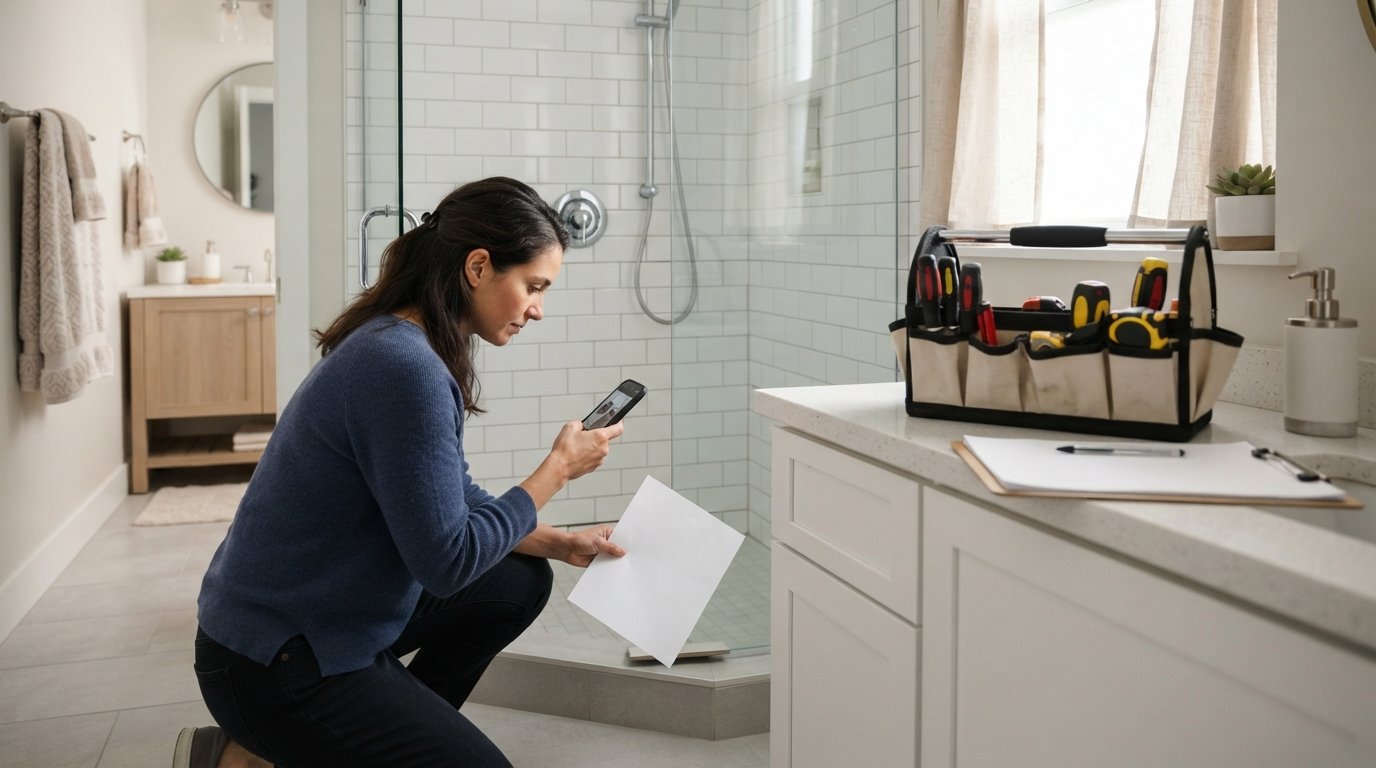
- Document the defect immediately. Take dated photos and video, note when the problem first appeared, and avoid making temporary repairs that could be blamed for causing further damage.
- Review your contract and warranty documents. Identify the exact clause, the coverage period, and any notice requirements. Confirm whether the issue is workmanship or product related.
- Send written notice. Use email or certified mail so you have proof of delivery. Describe the defect, reference the warranty, include photos, and request a written response within a reasonable window, such as 10 business days.
- Escalate professionally if ignored. A follow-up phone call, a second written notice, and, if needed, a complaint to your state licensing board or consumer protection office usually prompts action.
- Keep a complete file. Save every message, invoice, photo, and inspection report. If the dispute ends up in mediation or small claims court, that file is your case.
One practical tip: put the request in the form of a question the contractor must answer. Ask whether they will schedule an inspection and what date works. A specific ask is harder to ignore than a general complaint, and it creates a record that you gave the contractor a fair opportunity to make things right. Most states require homeowners to allow the contractor a chance to repair before pursuing legal remedies, so this step also protects your claim.
What to Confirm Before You Sign a Contract
The best time to resolve warranty questions is before the first nail goes in. A few minutes of review at the contract stage prevents months of frustration later. Ask for the workmanship warranty in writing, confirm its length and exclusions, and verify how manufacturer warranties will be registered in your name. Clarify who handles claims, how notice must be given, and whether the warranty transfers if you sell.
Also confirm that the contractor carries general liability insurance and workers compensation coverage, because a warranty does not protect you from damage caused during the project or injuries on your property. A contractor who is properly insured and willing to put warranty terms in writing is signaling that they plan to be around to honor them. If you are still comparing bids, request free estimates from multiple local contractors and compare warranty terms alongside price, timeline, and references.
Finally, store your warranty documents with your home records, not in a drawer with old receipts. When a problem appears years later, you will want to find the contract, the warranty, and the maintenance log in minutes, not days. Homeowners who treat warranty paperwork as part of the project deliverable, rather than an afterthought, are the ones who get repairs handled without paying twice.