
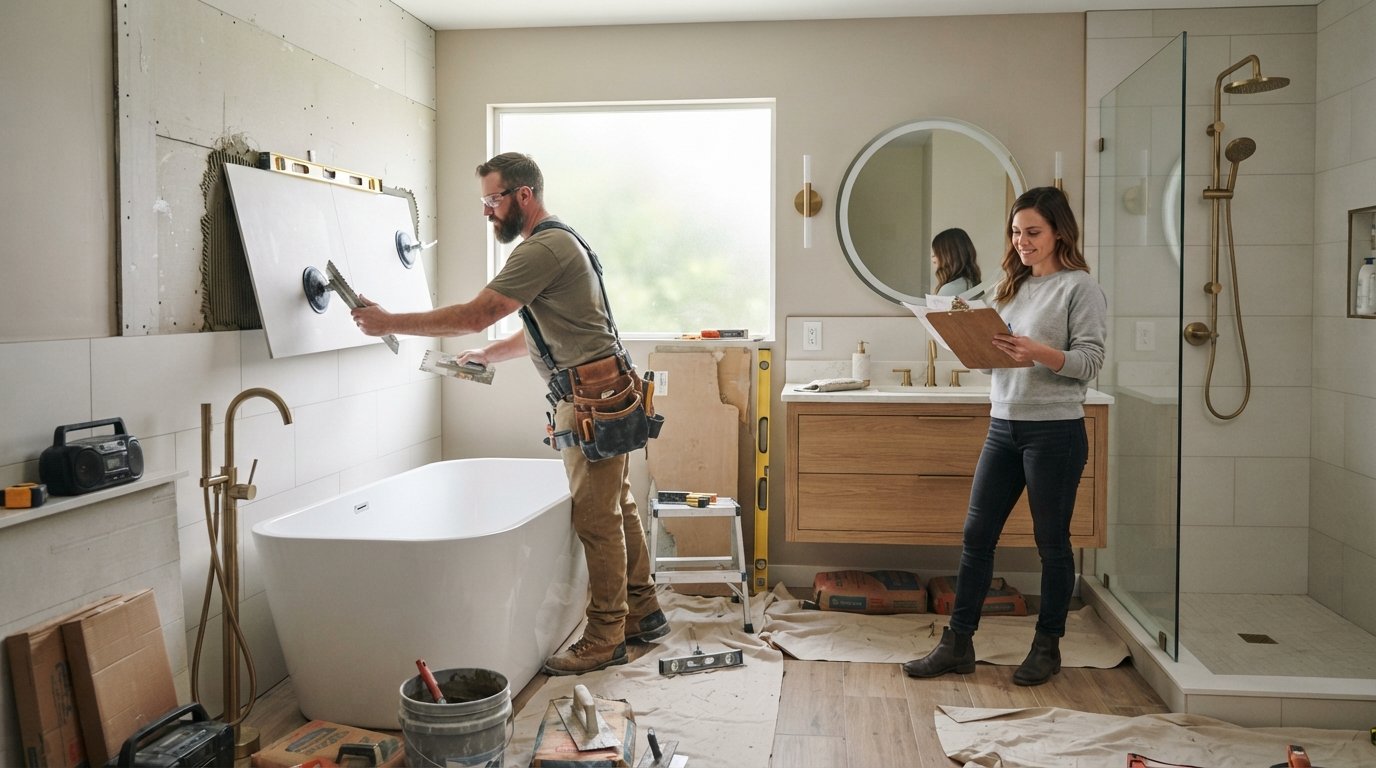
2027 Bathroom Remodel Trends That Add Value
Explore 2027 bathroom remodel trends that add value and boost resale. Call 8333658755 to plan your project today.

By Leo Cross
Learn more about Bathroom Remodel for guides, costs, and what to expect.
Compare Bathroom Remodel Pros Near You

Enter your ZIP code to compare top-rated local professionals and request free quotes.
A bathroom remodel is one of the smartest investments a homeowner can make, but not every upgrade pays you back. As we move toward 2027, the design and materials landscape is shifting in ways that reward homeowners who plan ahead. The 2027 bathroom remodel trends that add value are not about chasing the flashiest tile or the trendiest fixture. They are about choices that lower maintenance, improve daily function, and appeal to future buyers. Whether you are updating a primary suite or refreshing a guest bath, understanding where the smart money goes can mean the difference between a project that returns thousands and one that simply looks nice for a few years.
In this guide, we break down the upgrades that consistently deliver returns, the features that buyers now expect, and the budget traps to avoid. You will also see how to plan the work, compare contractor estimates, and keep the project on track from start to finish.
Why Bathroom Value Matters More Than Ever
Bathrooms punch above their weight in resale appeal. They are small spaces, but they carry outsized influence on how buyers feel about a home. A dated bathroom signals deferred maintenance, while a clean, well-designed one signals a home that has been cared for. That emotional response translates directly into offers and negotiation power.
At the same time, remodeling costs have risen, which makes efficiency essential. Homeowners who spend without a plan often over-improve for their neighborhood or choose materials that look expensive but wear poorly. The 2027 bathroom remodel trends that add value share a common thread: they solve real problems for real people. They reduce cleaning time, improve safety, and create a calm start to the day. When a feature does all three, it tends to hold its value no matter what the market does.
Another factor is longevity. Buyers today are more informed than ever. They ask about ventilation, waterproofing, and fixture quality. A bathroom that is beautiful but poorly built will raise red flags during inspection. A bathroom that is modest but impeccably constructed will earn trust. That is why the trends below emphasize substance as much as style.
2027 Bathroom Remodel Trends That Add Value
The following trends are not fleeting. They are rooted in how people use bathrooms and what they are willing to pay for. Each one can be scaled to fit a range of budgets, and each one tends to improve both enjoyment and resale potential.
- Wet rooms and curbless showers: A single waterproofed zone with a linear drain eliminates the step-over curb, improves accessibility, and makes small bathrooms feel larger.
- Warm, natural materials: Wood-look porcelain, matte stone, and textured neutrals replace cold, glossy surfaces and hide water spots better.
- Layered lighting: Vanity task lighting, ambient ceiling light, and a shower niche light work together to make the room flexible and safe.
- Smart water controls: Digital thermostatic valves and leak sensors prevent damage and reduce utility waste.
- Storage that hides clutter: Recessed medicine cabinets, niche shelving, and floating vanities keep counters clear.
These five ideas form the backbone of value-driven remodeling. Notice that none of them depend on a specific color or brand. They are structural and functional improvements that happen to look modern. That combination is what makes them durable investments.
Wet Rooms and Curbless Showers
The wet room concept has moved from luxury niche to mainstream expectation in higher-end markets. By removing the curb and treating the entire shower area as a waterproofed zone, you gain usable space and eliminate a common tripping hazard. For aging-in-place buyers, this is a major selling point. For everyone else, it simply feels more open and easier to clean.
The key is proper waterproofing. A curbless shower requires a sloped subfloor, a bonded waterproof membrane, and a drain rated for the flow. Cutting corners here leads to leaks that can destroy the value you worked to create. This is one area where hiring an experienced local contractor pays for itself. If you are managing costs, our guide on bathroom remodeling on a budget explains how to prioritize waterproofing without overspending on finishes.
Warm, Natural Materials
The all-white, glossy bathroom is fading. In its place, homeowners are choosing porcelain tiles that mimic wood, honed stone, and matte finishes in warm grays, taupes, and soft greens. These materials feel calmer and hide everyday wear better than high-gloss surfaces. They also photograph well, which matters for resale listings.
From a value standpoint, the benefit is durability. Matte porcelain and natural stone resist etching and scratching when sealed properly. Wood-look tile gives the warmth of hardwood without the moisture risk. Buyers perceive these choices as higher quality, even when the price per square foot is comparable to basic ceramic.
Layered Lighting
A single overhead fixture is the fastest way to make a renovated bathroom feel unfinished. Layered lighting solves that. Start with a central ambient light, add wall sconces or a backlit mirror for grooming, and include a dimmable light inside the shower. The result is a room that works for early mornings and late evenings alike.
Layered lighting also adds safety. Well-lit floors and thresholds reduce falls, which is especially important for multigenerational households. From a resale perspective, buyers notice good lighting immediately, even if they cannot articulate why the room feels better.
Smart Water Controls and Leak Protection
Smart bathroom technology has matured. The most valuable features are not voice-activated mirrors; they are the ones you cannot see. Digital thermostatic shower valves hold a precise temperature, which prevents scalding and saves water. Leak sensors under the vanity and near the toilet send alerts to your phone before small drips become major repairs.
Insurers and buyers both respond well to these upgrades. A documented leak detection system can reduce risk and may support lower premiums over time. It also signals that the home has been maintained with care, which supports your asking price.
Storage That Hides Clutter
Clutter makes even a large bathroom feel small. The 2027 answer is integrated storage: recessed medicine cabinets, shower niches framed in the same tile as the walls, and floating vanities with deep drawers. These features keep counters clear and make cleaning faster.
Storage is one of the least glamorous upgrades and one of the most reliable value drivers. Buyers open drawers and cabinets during showings. When they see thoughtful organization, they imagine their own life fitting easily into the space.
Color, Tile, and Finish Trends With Staying Power
Trend cycles in color and tile move faster than structural upgrades, so it pays to be selective. The safest approach is to choose a neutral base and add personality in ways that are easy to change later. This keeps your bathroom current without locking you into a look that dates quickly.
Warm neutrals continue to lead: soft white, greige, sand, and muted sage. These tones pair with almost any fixture finish and feel timeless. For tile, large-format slabs reduce grout lines and make small rooms feel bigger. Textured finishes add grip and visual interest without sacrificing safety.
Metals are mixing more freely. Brushed nickel, matte black, and warm brass can coexist when they share a similar sheen. The goal is contrast, not matching. A single statement fixture, such as a sculptural faucet, can carry the design while everything else stays quiet.
What should you avoid? Heavy patterns that overwhelm a small space, trendy colors that clash with adjacent rooms, and glossy surfaces that show every water spot. These choices may look striking in a showroom but can hurt resale by narrowing your buyer pool.
Budget-Smart Upgrades That Still Impress
Not every valuable upgrade requires a full gut renovation. Several high-impact changes can be done in stages, which spreads the cost and reduces disruption. This approach is especially useful if you plan to sell within a few years and want to recoup your investment.
- Replace the vanity and mirror: A new vanity with soft-close drawers and a backlit mirror transforms the focal point of the room for a modest cost.
- Regrout and reseal tile: Fresh grout makes old tile look new and costs a fraction of replacement.
- Upgrade the showerhead and controls: A thermostatic valve and a well-placed handheld shower improve daily use and signal quality.
- Add ventilation: A quiet, properly sized exhaust fan prevents mold and protects your finishes.
- Refresh lighting and hardware: New sconces, cabinet pulls, and towel bars tie the room together without major construction.
These steps work best when sequenced. Start with ventilation and waterproofing, then move to visible surfaces. That order protects your investment and ensures that cosmetic upgrades are not hiding a moisture problem.
If you are unsure where to begin, a free estimate from a vetted professional can clarify scope and cost. Platforms like HomeRemodelingsContractors help homeowners plan affordable projects and connect with experienced local contractors, which makes it easier to compare options before committing.
How to Plan a Value-Driven Remodel
Planning separates a smooth project from a stressful one. The most successful remodels follow a clear sequence: define your goals, set a realistic budget, gather estimates, and schedule the work in logical phases. Skipping any step usually costs more later.
Start by listing what bothers you about the current bathroom. Is it dark? Cramped? Hard to clean? Prone to moisture? Your answers should drive the scope. If moisture is the issue, waterproofing and ventilation come first. If space is the issue, consider a curbless shower or a floating vanity to open the floor.
Next, set a budget that includes a contingency of 15 to 20 percent. Bathroom projects often uncover hidden issues such as subfloor damage or outdated wiring. A contingency keeps you from stalling mid-project or cutting corners on critical items.
Then gather at least three estimates. Compare not just the total price but the scope, materials, and timeline. Ask each contractor how they handle waterproofing, permits, and change orders. A detailed written estimate is a sign of professionalism; a vague one is a warning.
Finally, schedule the work to minimize disruption. If you have only one bathroom, plan for a temporary solution and build buffer days into the timeline. Good contractors will communicate daily and keep the site clean, which reduces stress and protects your home.
Mistakes That Destroy Bathroom Value
Even well-intentioned remodels can backfire. The most common value killers are over-improving for the neighborhood, choosing materials that do not suit the climate, and neglecting ventilation. Each of these can turn a promising project into a money pit.
Over-improving happens when you install luxury features that nearby homes cannot support. A steam shower and heated floors in a modest starter home may be lovely, but buyers may not pay extra for them. Match your upgrades to the market.
Climate matters too. In humid regions, glossy finishes and poor ventilation invite mold. In cold regions, uninsulated pipes and exterior walls cause condensation. Choose materials and systems suited to your environment, and always prioritize moisture control.
Finally, do not skip permits. Unpermitted work can complicate a sale, trigger fines, and void insurance claims. A reputable contractor will pull the required permits and schedule inspections. That paper trail protects your investment and reassures buyers.
Frequently Asked Questions
Which bathroom upgrades add the most resale value?
Curbless showers, double vanities, layered lighting, and smart leak protection consistently rank among the highest-return upgrades. They improve function and reduce maintenance, which buyers value.
Is a freestanding tub worth the cost?
Only if the bathroom is large enough to accommodate it without crowding. In small baths, the space is better spent on a spacious shower.
How long does a bathroom remodel take?
A cosmetic refresh may take one to two weeks. A full remodel typically takes four to eight weeks, depending on permits, materials, and hidden repairs.
Should I choose trendy colors or neutrals?
Use neutrals for permanent surfaces and add trends through easily changeable items like towels, art, and hardware. This keeps the room current without dating the structure.
Final Thoughts
The 2027 bathroom remodel trends that add value are grounded in practicality. Curbless showers, warm materials, layered lighting, smart water controls, and integrated storage all solve real problems while improving the look and feel of the room. When you plan carefully, budget with a contingency, and hire experienced local contractors, you protect your investment and create a bathroom that serves you today and appeals to buyers tomorrow. Start with a clear goal, compare free estimates, and let quality workmanship do the rest.