
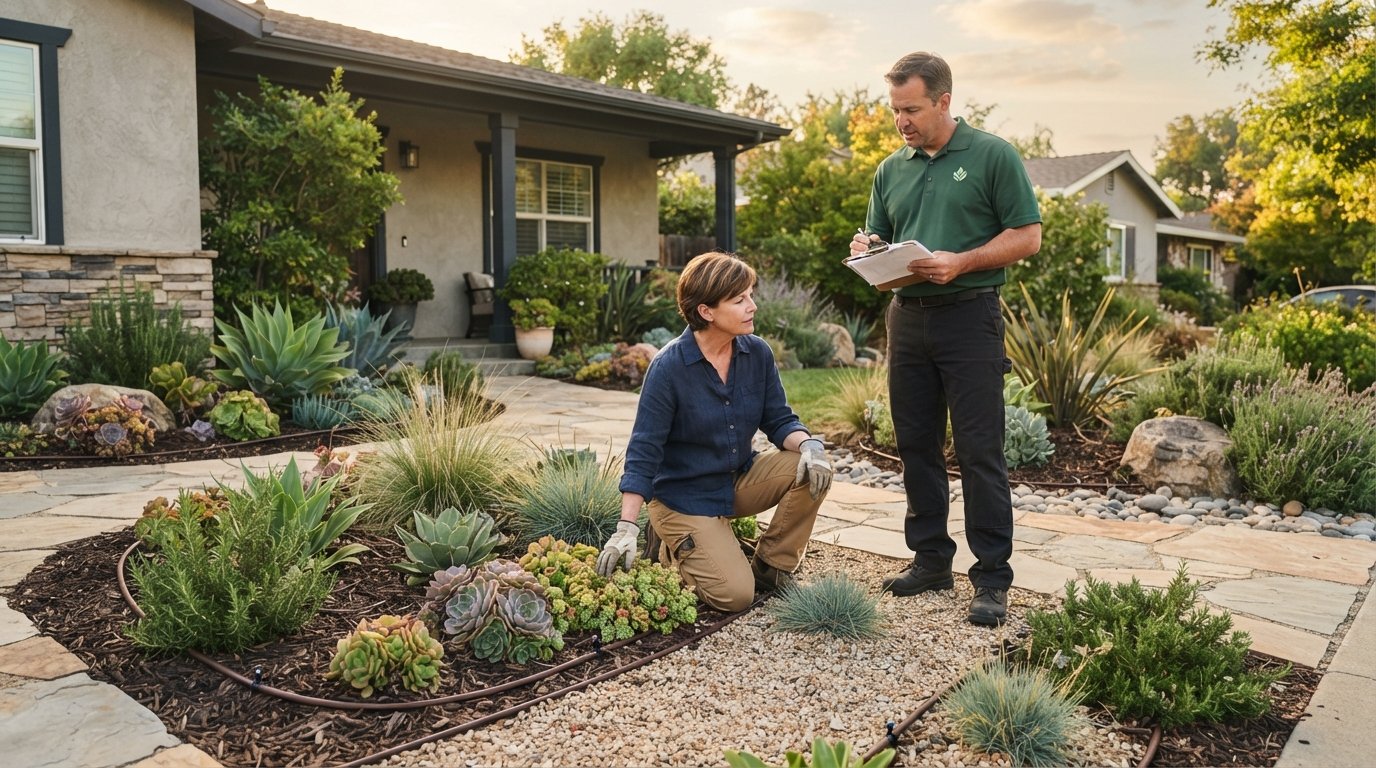
Low Maintenance Landscaping Ideas to Increase Home Value
Transform your yard with low maintenance landscaping ideas to increase home value. Call 8333658755 for contractor connections and free estimates.

By Amelia Reed
Learn more about Outdoor Landscaping and Design for guides, costs, and what to expect.
Compare Outdoor Landscaping and Design Pros Near You

Enter your ZIP code to compare top-rated local professionals and request free quotes.
A beautifully landscaped yard does not have to demand your weekends. In fact, the smartest low maintenance landscaping ideas to increase home value often replace high effort lawns with durable, drought tolerant plants, hardscaping, and smart irrigation that look polished year round. For homeowners preparing to sell or simply tired of constant yard work, the right design choices can cut maintenance hours, reduce water bills, and lift curb appeal at the same time.
Buyers notice landscaping before they step through the front door. According to real estate surveys, well designed outdoor spaces consistently rank among the features that help homes sell faster and for more money. But there is a catch: elaborate gardens with thirsty flower beds can actually scare off buyers who do not want the upkeep. That is why the sweet spot is a yard that looks lush but practically takes care of itself.
This guide walks through practical, budget conscious strategies you can apply this season. You will learn which upgrades return the most value, how to plan for your climate, and how to hire the right help when a project is bigger than a weekend. Along the way, we will keep the focus on choices that pay you back, both in resale dollars and in free time.
Why Low Maintenance Landscaping Pays Off at Resale
Curb appeal is the first impression a buyer gets, and landscaping is a major part of that picture. A trimmed lawn, defined beds, and clean walkways signal that a home has been cared for. Neglected yards suggest deferred maintenance inside the house too, which can lower offers or lengthen time on market.
Beyond first impressions, low maintenance design solves a real buyer objection. Many purchasers today are busy professionals, retirees, or first time homeowners who do not want to spend weekends mowing, pruning, and dragging hoses. When your yard is designed to thrive with minimal input, you remove a source of anxiety and make the property more attractive to a wider pool of buyers.
There is also a financial angle. Water hungry lawns and annual flower beds cost money every month. Replacing them with native plants, drip irrigation, and gravel or mulch beds lowers ongoing expenses. Those savings can be highlighted in your listing as a feature, not just a nice to have.
Finally, low maintenance landscaping protects your investment over time. Fewer plants means fewer replacements, less pruning, and less chance of disease wiping out a bed. Durable hardscaping like stone patios and paver walkways can last decades with minimal care, adding lasting value rather than a short lived burst of color.
Design Principles That Cut Work Without Cutting Beauty
The secret to a low maintenance yard is not bare dirt and a single shrub. It is smart design that groups plants by water needs, uses ground covers to suppress weeds, and relies on structure (hardscaping, evergreens, ornamental grasses) for year round interest. When you get these principles right, the yard looks intentional and full, yet requires far less fussing.
Start with the concept of hydrozoning. This means placing plants with similar water and sunlight needs together so you can irrigate efficiently and avoid overwatering some while underwatering others. A drought tolerant bed near the street and a slightly thirstier bed near the foundation can both thrive if they are zoned separately. This approach reduces waste and keeps plants healthier with less effort.
Next, think about ground cover. Bare soil invites weeds, which means endless pulling or spraying. A thick layer of mulch, gravel, or a living ground cover like creeping thyme or sedum blocks sunlight and keeps weeds from germinating. This one change can cut your weeding time dramatically.
Structure matters too. Evergreen shrubs, ornamental grasses, and small trees provide shape and color in every season without demanding deadheading or replanting. Mix in a few perennials that return each year, and you have a garden that evolves but does not need to be rebuilt annually.
Here are a few design rules to keep in mind as you plan:
- Group plants by water and light needs to simplify irrigation and care.
- Use mulch or ground cover to smother weeds and retain moisture.
- Choose evergreens and ornamental grasses for year round structure.
- Limit lawn area to what you actually use, and consider artificial turf for small spaces.
- Incorporate hardscaping (paths, patios, walls) to reduce planted area and add usable space.
These principles work in any climate, though the specific plant choices will vary. In dry regions, succulents and native grasses shine. In wetter areas, ferns and sedges can thrive with little help. The goal is always the same: a landscape that looks after itself.
Hardscaping: The Backbone of a Low Maintenance Yard
Hardscaping includes patios, walkways, retaining walls, and decorative stone. Unlike plants, these features do not need water, pruning, or replacing. They also add usable outdoor living space, which buyers love. A well built stone patio or paver walkway can instantly make a yard feel more upscale while reducing the square footage you have to mow and weed.
When choosing hardscaping materials, think about local availability and long term durability. Concrete pavers, natural stone, and gravel are all good options, each with different cost and maintenance profiles. Gravel is affordable and easy to install, but it can shift and may need occasional raking. Pavers are more expensive upfront but lock together and last for decades with little more than an occasional rinse.
Consider how hardscaping can solve problems. A dry creek bed can direct rainwater away from the foundation while looking like a design feature. A gravel path through a garden bed eliminates the need to mow edges. A retaining wall can turn a sloped, hard to mow area into a terraced planting bed or a flat patio.
If you are planning a larger hardscaping project, it may be worth hiring a professional to ensure proper base preparation and drainage. Poorly installed patios can settle and crack, creating maintenance headaches down the road. For help finding a qualified local contractor, you can explore resources like landscaping ideas on a budget for small yards which covers cost effective approaches for tight spaces.
Remember that hardscaping is not just about reducing maintenance. It also increases the functional value of your property. A patio extends your living space, a walkway improves safety and accessibility, and a retaining wall can prevent erosion. These are tangible benefits that appraisers and buyers recognize.
Choosing the Right Plants for Your Climate
Plant selection is where many homeowners go wrong. They fall in love with a plant at the nursery without checking whether it will thrive in their area without constant coddling. The result is a high maintenance garden that demands watering, fertilizing, and pest control. The better approach is to choose plants that are native or adapted to your region and soil.
Native plants are adapted to local rainfall, temperature swings, and soil conditions. Once established, they typically need no supplemental water beyond normal rainfall. They also resist local pests and diseases, reducing the need for chemicals. Many native plants are also attractive to pollinators, which adds ecological value without extra work.
If you prefer a more formal look, consider adapted non natives that are known for being tough and drought tolerant. Lavender, rosemary, and ornamental grasses are good examples in many climates. Succulents like agave and sedum work well in dry, sunny spots. In shadier areas, hostas and ferns can thrive with minimal care.
When planting, group species with similar needs together. This makes irrigation simpler and ensures that one plant's preferences do not harm another. Also, plant in masses rather than one of this and one of that. Mass plantings look more intentional, are easier to maintain, and create a stronger visual impact.
Do not forget about trees and shrubs. A well placed shade tree can lower cooling costs and provide a dramatic focal point. Evergreen shrubs offer privacy and structure. Both require far less maintenance than a lawn once established, provided you choose the right species for your space.
Smart Irrigation and Water Saving Techniques
Even low maintenance landscapes need some water, especially during establishment. But you can design an irrigation system that practically runs itself. Drip irrigation is the gold standard for efficiency. It delivers water directly to plant roots, minimizing evaporation and runoff. Paired with a timer or smart controller, it can keep your garden healthy with almost no input from you.
Smart controllers use weather data to adjust watering schedules automatically. They water more on hot, dry days and less when it rains, saving water and money. Some models can be controlled from your phone, so you can check and adjust from anywhere. This is a small investment that pays back quickly in lower water bills and healthier plants.
Another technique is to use soaker hoses in garden beds. They are inexpensive, easy to install, and can be covered with mulch to hide them. For lawns, consider replacing thirsty turf with a lower water grass variety or reducing lawn area altogether. In small yards, artificial turf can be a viable option, though it has its own environmental trade offs.
Harvesting rainwater is another low tech way to reduce irrigation needs. A rain barrel connected to a downspout can provide free water for garden beds. If you want to go further, a rain garden can capture runoff and filter it naturally, while adding a beautiful planted feature to your yard.
Proper mulching is also critical for water retention. A two to three inch layer of organic mulch or gravel reduces evaporation and keeps soil temperature stable. It also suppresses weeds, as mentioned earlier. Just be sure not to pile mulch against tree trunks, as that can cause rot.
Lawn Alternatives That Save Time and Money
Traditional turf grass is one of the most maintenance intensive parts of a yard. It needs regular mowing, watering, fertilizing, and pest control. For homeowners who want to reclaim their weekends, replacing some or all of the lawn with a lower maintenance alternative can be a game changer.
Ground cover plants like creeping thyme, clover, and sedum can replace grass in many situations. They stay low, need little water, and rarely need mowing. Some, like clover, even fix nitrogen in the soil, reducing the need for fertilizer. They also provide habitat for pollinators, which is a bonus for eco conscious buyers.
Gravel or decomposed granite can be used for areas that do not need foot traffic. These materials are inexpensive, long lasting, and require almost no upkeep beyond occasional raking. They work well in modern or desert style landscapes and can be accented with a few specimen plants.
Artificial turf is another option, particularly for small yards or play areas. Modern artificial grass looks realistic and requires no water or mowing. However, it does get hot in direct sun and needs occasional cleaning. It is also a significant upfront investment, so weigh the long term savings against the initial cost.
If you are not ready to give up grass entirely, consider reducing the lawn to a manageable size and replacing the rest with beds or hardscaping. This hybrid approach keeps some green space while cutting maintenance dramatically.
Budget Friendly Upgrades With High Impact
You do not need a massive budget to improve your landscape's value and reduce maintenance. Some of the most effective upgrades are surprisingly affordable. The key is to focus on changes that deliver the biggest visual and functional improvement for the least money and effort.
Mulch is one of the cheapest ways to refresh a yard. A fresh layer of dark mulch or gravel instantly makes beds look tidy and suppresses weeds. It also retains moisture, reducing watering needs. You can often buy mulch in bulk for a fraction of the cost of bags.
Edging is another low cost upgrade. Clean, defined edges between beds and lawn make the whole yard look more professional. You can use metal, plastic, or stone edging. It prevents grass from creeping into beds and reduces trimming time.
Adding a few large containers with drought tolerant plants can dress up an entryway or patio without the commitment of an in ground garden. Containers are easy to move, and you can change them seasonally if you like. Just be sure to choose self watering pots or add a drip line to reduce watering frequency.
Lighting is a high impact, low maintenance upgrade. Solar powered path lights require no wiring and turn on automatically at dusk. They add safety and ambiance, and they make your landscape look larger and more inviting at night. For a more polished look, low voltage LED systems are affordable and easy to install.
If you are planning to sell, consider a professional cleanup and fresh mulch before listing. This small investment can boost curb appeal and potentially increase your sale price. For more ideas on maximizing value with limited funds, you can explore our guide to budget landscaping for small yards.
When to Hire a Pro (and How to Choose One)
Some landscaping projects are easy weekend DIYs, but others benefit from professional expertise. Hardscaping, irrigation installation, and large tree work are examples where hiring a pro can save you time, money, and frustration. A poorly installed patio or irrigation system can cost more to fix than to do right the first time.
When hiring a contractor, start by getting multiple estimates. A reputable pro will walk the property, ask about your goals, and provide a written quote detailing materials, labor, and timeline. Be wary of anyone who asks for full payment upfront or who cannot provide references. For larger projects, ask to see examples of similar work they have completed.
If you are not sure where to start, consider using a service that connects homeowners with vetted local contractors. HomeRemodelingsContractors.com helps homeowners plan affordable home improvement projects and connect with experienced local contractors. They cover remodeling, repairs, upgrades, and free estimates so you can compare options and move forward with confidence. This can be especially helpful for landscaping projects that involve multiple trades, such as masonry, irrigation, and planting.
Before work begins, make sure you have a clear contract that outlines the scope, payment schedule, and warranty. Also confirm that the contractor is licensed and insured. A little diligence upfront can prevent major headaches later.
If you are handy and enjoy gardening, you can tackle many low maintenance upgrades yourself. Planting native species, spreading mulch, and installing drip irrigation are all within reach for most homeowners. But for structural work or complex systems, bringing in a pro is often the smarter choice.
Putting It All Together: A Plan for Your Yard
Transforming your yard into a low maintenance, value boosting landscape does not happen overnight, but it does not have to be overwhelming either. Start by assessing your current landscape and identifying the areas that demand the most work. Is it the lawn? The flower beds? The watering? Once you know where your time and money are going, you can target those areas for change.
Next, set a budget and a timeline. You might tackle one bed per season or save up for a larger hardscaping project. Prioritize changes that reduce maintenance and add visual appeal, such as replacing lawn with ground cover, adding mulch, or installing drip irrigation. These foundational improvements make everything else easier.
As you make changes, think about resale value. Even if you are not selling soon, upgrades that appeal to a wide range of buyers are smart investments. Low maintenance landscapes are attractive to busy families, retirees, and anyone who wants a beautiful yard without the chore list. By designing with that audience in mind, you increase your home's appeal and potentially its price.
Finally, remember that low maintenance does not mean no maintenance. All landscapes need some care, especially during the first year while plants establish. But once your new landscape settles in, you will spend far less time on chores and more time enjoying your outdoor space. That is a return on investment you can feel every weekend.
Whether you are sprucing up to sell or creating a personal retreat, these low maintenance landscaping ideas to increase home value can help you achieve a yard that works for you, not the other way around. With careful planning and the right help when you need it, you can have a beautiful, easy care landscape that pays dividends for years to come.