
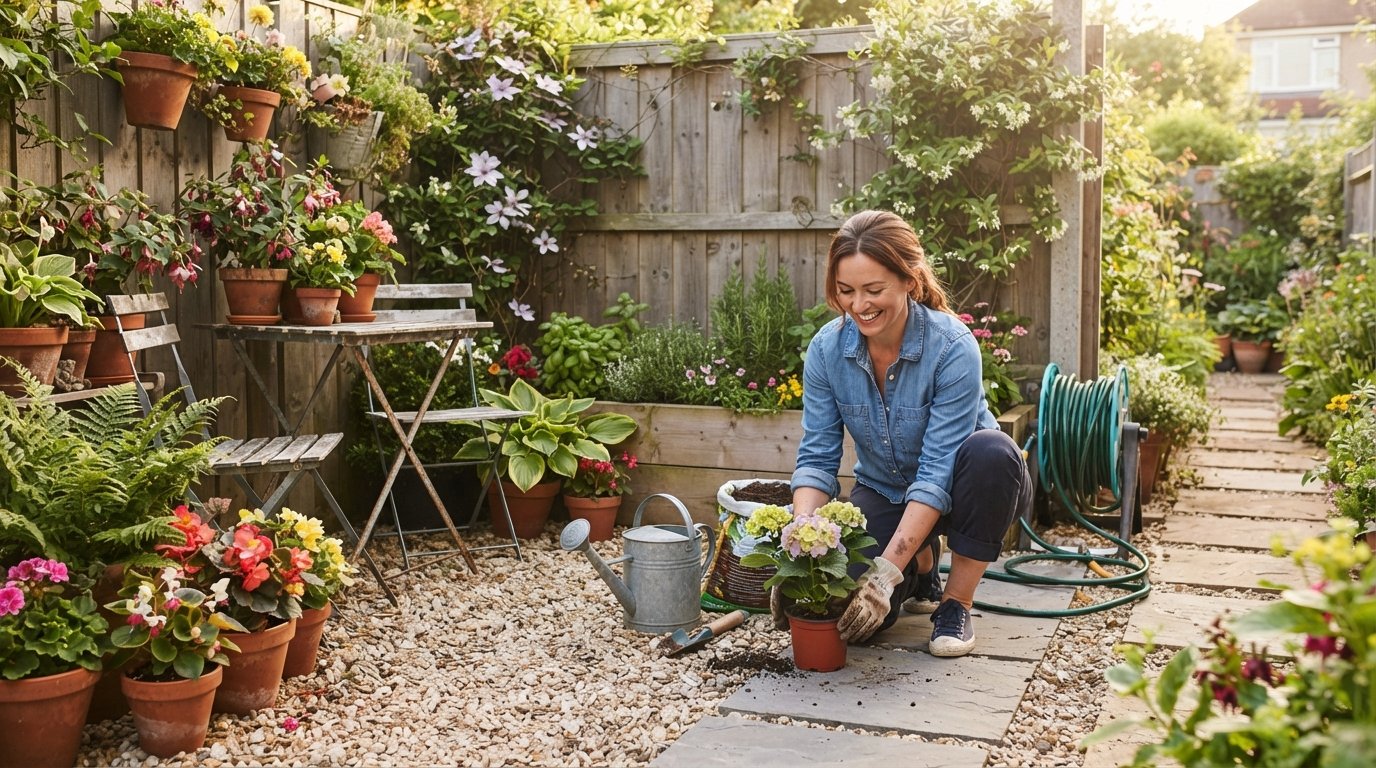
Landscaping Ideas on a Budget for Small Yards
Transform your small yard on a budget with these clever landscaping ideas, from plant choices to DIY projects.

By Liam Weston
Learn more about Outdoor Landscaping and Design for guides, costs, and what to expect.
Compare Outdoor Landscaping and Design Pros Near You

Enter your ZIP code to compare top-rated local professionals and request free quotes.
Transforming a small yard into a lush, inviting retreat might seem like a project reserved for deep pockets, but the truth is far more encouraging. With a little creativity, strategic planning, and some elbow grease, you can achieve a stunning outdoor space without draining your savings. This guide is packed with practical landscaping ideas on a budget for small yards, showing you how to maximize every square foot while keeping costs firmly in check. From clever plant choices to DIY hardscaping, you will find actionable steps to create a yard you love, all while staying within a realistic budget.
Why Small Yards Are Perfect for Budget Landscaping
Small yards offer a unique advantage when you are working with a limited budget: they require fewer materials, less soil, and less maintenance than sprawling lawns. This inherent efficiency means your dollars go further. Instead of spreading resources thin across a large area, you can concentrate your spending on a few high-impact features. A compact patio, a well-placed tree, or a vibrant flower bed can completely transform the feel of a small space, and these focal points are often more affordable than their large-yard counterparts.
Moreover, a smaller canvas encourages creativity. You are not just scaling down a traditional landscape; you are designing a space that works for your specific needs. Whether you want a cozy reading nook, a herb garden, or a play area for kids, every element can be chosen with purpose. This focused approach not only saves money but also results in a more personal and functional outdoor room. Budget constraints become a catalyst for innovation, pushing you toward solutions that are both cost-effective and visually appealing.
Smart Planning: The Foundation of Budget Landscaping
Before you even pick up a shovel, take time to plan. A well-thought-out design prevents costly mistakes like buying too many plants or installing a feature in the wrong spot. Start by sketching your yard to scale, noting existing elements like trees, fences, and utility lines. Then, decide how you want to use the space. Do you need a dining area, a fire pit, or a vegetable patch? Prioritize your needs and dream features, then allocate your budget accordingly. This planning phase is where you can separate the must-haves from the nice-to-haves, ensuring your money is spent on what matters most to you.
When planning, think about the style you want to achieve. A minimalist aesthetic with gravel and ornamental grasses can be very budget-friendly, while a cottage garden with many perennials might require a bit more investment upfront. Research plants that thrive in your climate and soil type; choosing the right plant the first time saves you from replacing dead ones later. Also, consider the long-term maintenance costs. A lawn may seem cheap to install, but it demands water, fertilizer, and mowing. In contrast, a groundcover of creeping thyme or a bed of native shrubs can be far more economical over time. By thinking strategically, you can create a landscape that is both beautiful and kind to your wallet.
Design Tricks to Make a Small Yard Feel Larger
One of the most significant benefits of landscaping a small yard is the opportunity to visually expand it. Clever design techniques can trick the eye and make the space feel more open and airy. This not only enhances your enjoyment but also adds perceived value to your home. Here are some key strategies to achieve that spacious feel:
- Create layers: Use plants of varying heights, from groundcovers to shrubs to small trees, to add depth and draw the eye upward.
- Use a consistent color palette: Repeating a few colors throughout the yard creates a cohesive and calming effect, preventing the space from feeling chaotic.
- Install a mirror or water feature: A well-placed mirror on a fence can double the visual space, while the sound of water adds a soothing dimension.
- Choose the right hardscape: Large pavers can make a small patio look bigger, while diagonal lines can create a sense of movement.
By implementing these design principles, you can make your small yard feel like a much larger, more open area. The goal is to create a seamless flow between different zones, avoiding clutter and visual barriers. Remember, less is often more in a compact space. A clean, uncluttered design with a few well-chosen focal points will always feel more expansive than a yard crammed with too many features.
Budget-Friendly Hardscaping Ideas
Hardscaping, the non-plant elements of your landscape, can be expensive, but there are many ways to incorporate it on a budget. Instead of pouring a concrete patio, consider using gravel or decomposed granite. These materials are inexpensive, easy to install, and provide excellent drainage. You can create a defined seating area by framing the gravel with steel edging or reclaimed bricks. This DIY approach can save you hundreds of dollars compared to a professionally installed concrete slab.
Another budget-friendly option is to use concrete pavers. They come in various shapes and sizes, allowing for creative patterns. You can often find discounted or reclaimed pavers at construction supply companies or online marketplaces. For a truly unique touch, consider using broken concrete pieces, known as urbanite, to create a mosaic-like patio or walkway. This repurposes material that would otherwise end up in a landfill and costs only the time and effort to place it. Stepping stones made from large, flat stones or tree slices are another charming and affordable way to create paths through your garden.
Plant Selection and Planting Strategies
Plants are the heart of any garden, but they can also be a major expense if you are not careful. The key to budget-friendly planting is to choose perennials that come back year after year, rather than annuals that need replanting each spring. Native plants are an excellent choice because they are adapted to your local climate, require less water and care, and are often more affordable at local nurseries. Additionally, many perennial plants can be divided and shared with neighbors, allowing you to expand your garden for free.
When planting, consider the long-term growth of each plant. It is tempting to buy larger, more mature plants for instant impact, but they are significantly more expensive. Instead, opt for smaller, younger plants that will establish quickly and fill in the space over a season or two. Group plants with similar water and sunlight needs to simplify irrigation and reduce waste. A well-planned planting scheme not only saves money upfront but also reduces ongoing maintenance costs. For a quick pop of color, annuals can be added in small pots and placed strategically, rather than filling entire flower beds.
DIY Projects to Save Money
Taking on do-it-yourself projects is one of the most effective ways to keep your landscaping budget in check. Simple tasks like building a raised garden bed from untreated lumber or installing a simple drip irrigation system are well within the reach of most homeowners. These projects not only save on labor costs but also give you a sense of pride and accomplishment. You can find countless tutorials online, and many hardware stores offer free workshops on basic landscaping skills.
For those who want to tackle a more significant project, like building a deck or patio, it is crucial to plan meticulously and understand the costs involved. Our guide on deck installation planning provides valuable insights into budgeting and hiring decisions. However, for most small yards, the DIY approach is perfect for creating custom features like a pergola, a fire pit, or decorative fencing. Reclaimed materials, such as pallets, old bricks, and salvaged wood, can be transformed into unique and stylish elements at a fraction of the cost of new materials. The key is to start small, be realistic about your skills, and enjoy the process of creating your own outdoor haven.
Low-Cost Maintenance and Upkeep
Landscaping on a budget is not just about the initial installation; it is also about minimizing ongoing costs. Choose plants that are drought-tolerant and require little fertilizer or pruning. A thick layer of mulch not only suppresses weeds but also retains moisture, reducing your water bill. Opt for a manual reel mower if you have a small lawn, which is cheaper and more environmentally friendly than a gas-powered model. Simple habits like collecting rainwater in a barrel for watering your garden can also make a significant difference over time.
Regular maintenance, such as weeding and trimming, prevents small issues from becoming expensive problems. A well-maintained yard also deters pests and diseases, which can save you money on treatments and replacements. By adopting a proactive approach to care, you can keep your landscape looking its best without incurring high costs. Furthermore, consider replacing thirsty lawns with groundcovers like clover or creeping thyme, which are more resilient and require less water and mowing. These low-maintenance alternatives not only save money but also provide a beautiful, lush green carpet that is better for the environment.
Where to Find Affordable Materials
Sourcing materials wisely is a cornerstone of budget landscaping. Instead of buying everything new from a big-box store, explore alternative avenues for affordable supplies. Local online marketplaces often have free or low-cost items like bricks, pavers, and plants. Construction sites may be willing to give away excess soil or gravel, saving you on delivery costs. Nurseries sometimes have clearance sections with slightly wilted plants that can be revived with a little care. Building material reuse centers sell salvaged items like windows, doors, and lumber at a fraction of their original price.
Another clever way to save is to buy in bulk with a neighbor. If you both need a cubic yard of mulch or a load of topsoil, sharing the delivery fee can cut costs significantly. Also, consider renting tools instead of buying them for one-time projects. A tiller, a sod cutter, or a power washer can be rented for a few hours at a local tool rental shop for a fraction of the purchase price. By being resourceful and patient, you can find high-quality materials and tools without breaking the bank.
Seasonal Considerations and Timing
Timing your landscaping projects can lead to substantial savings. Buying plants at the end of the growing season, typically in late summer or early fall, often results in steep discounts. Many nurseries are eager to clear out their inventory before winter, offering sales of 50% or more. Similarly, scheduling your project during the off-season for contractors, such as late fall or winter, may secure lower labor rates if you are hiring help. However, for DIY projects, it is best to work in favorable weather to ensure proper installation and plant establishment.
Think about the seasonal needs of your landscape. For example, installing a drip irrigation system in the fall, before the ground freezes, saves you time and water in the spring. Planning your garden layout in winter gives you ample time to research and source affordable materials. By aligning your projects with the seasons, you can take advantage of sales and weather conditions, ensuring that your budget goes further. This strategic approach also reduces the risk of plant loss due to extreme heat or cold, which can be a costly setback.
Wrapping Up: Your Dream Yard Awaits
Creating a beautiful and inviting small yard on a budget is entirely achievable with a mix of smart planning, DIY spirit, and resourcefulness. By focusing on high-impact, low-cost changes like adding layers of greenery, using affordable hardscaping materials, and selecting the right plants, you can transform your outdoor space without financial strain. Remember that the most successful landscapes are those that reflect the homeowner's personality and needs, not the size of their budget.
For more complex projects or when you need professional help, leveraging resources like HomeRemodelingsContractors can connect you with local experts who respect your budget and vision. These platforms can be invaluable for getting free estimates and comparing options, ensuring you make informed decisions. So, roll up your sleeves, start planning, and take the first step toward the small yard of your dreams. With these landscaping ideas on a budget for small yards, you can enjoy a beautiful outdoor space that adds value to your home and joy to your life.