
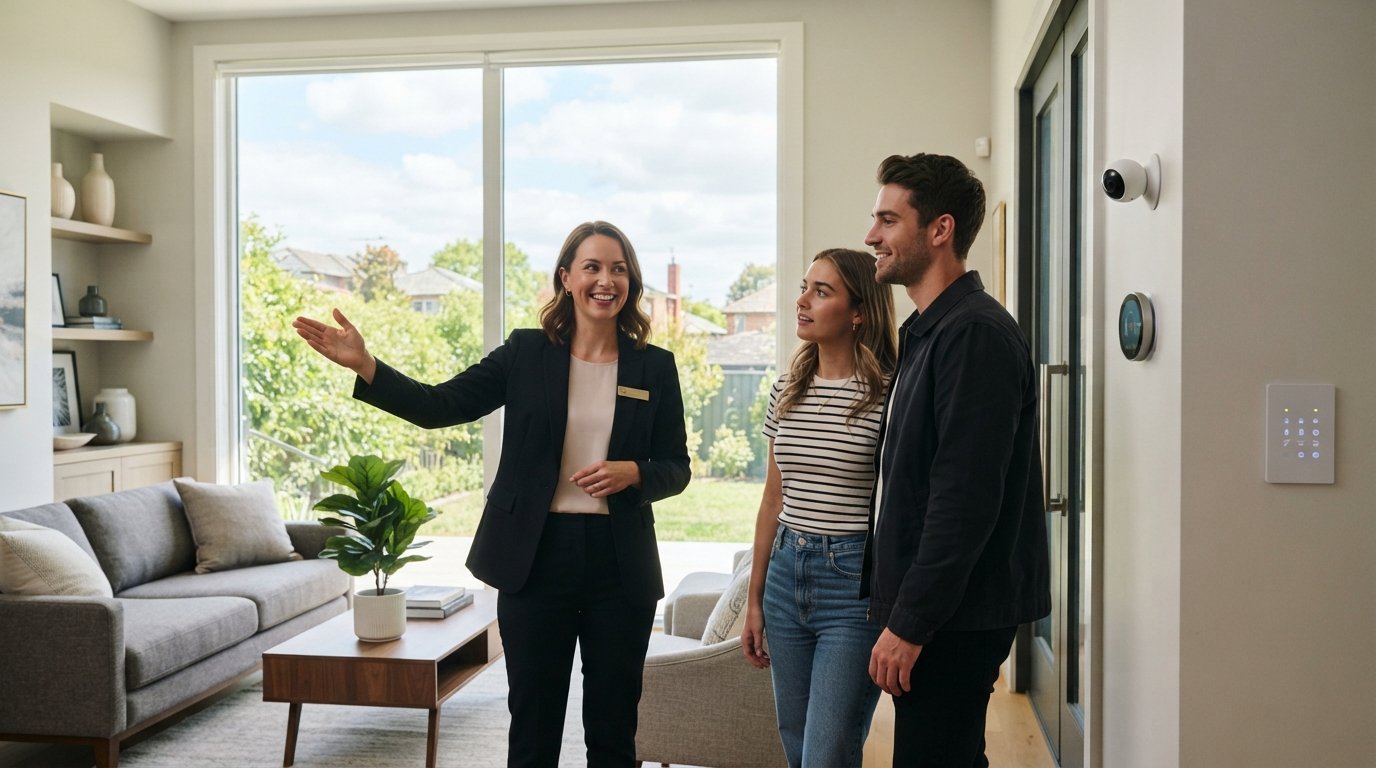
Smart Home Features Buyers Actually Pay More For
Smart home features buyers actually pay more for include thermostats, security systems, and smart locks. Call (833)-365-8755 for expert guidance.

Learn more about Smart Home Installation or Repair for guides, costs, and what to expect.
Compare Smart Home Installation or Repair Pros Near You

Enter your ZIP code to compare top-rated local professionals and request free quotes.
When you list your home, every upgrade gets scrutinized. But not all smart home technology earns its keep at resale. Some features make buyers reach for their wallets, while others barely register. The difference often comes down to practicality, interoperability, and documented value. Understanding which smart home features buyers actually pay more for can help you invest wisely and avoid gimmicks that lose appeal over time.
Real estate agents and appraisers consistently report that certain smart devices show up on buyer wish lists and even influence valuations. Others are seen as novelties that may complicate a sale. This guide breaks down the features that command a premium, the installation costs versus perceived value, and how to document your smart upgrades so they count when it matters.
Which Smart Devices Show Up in Appraisals and Buyer Wish Lists
Appraisers do not typically assign separate line-item value to smart home gadgets, but they do consider overall property condition and marketability. A home with modern, integrated technology can appraise higher if those features align with what local buyers expect. Buyer wish lists, meanwhile, are more revealing: surveys consistently place smart thermostats, security systems, and lighting controls near the top.
According to multiple industry surveys, the most requested smart features among buyers include:
- Smart thermostats (like Nest or Ecobee) that promise energy savings and remote control.
- Smart security systems with cameras, doorbell cameras, and monitored alarms.
- Smart lighting that can be controlled via app or voice and often includes automated schedules.
- Smart locks allowing keyless entry and temporary access for guests or contractors.
- Smart garage door openers that let you check status and open remotely.
These five categories consistently rank highest because they solve real problems: saving energy, improving security, and adding convenience. They are also relatively easy to install and use, which matters to buyers who may not be tech-savvy. Features like smart blinds or connected appliances, while impressive, are less likely to sway a purchase decision because they are seen as luxury extras or have limited interoperability.
Appraisers note that smart security and energy management systems can contribute to a home's overall perceived quality. In some markets, a professionally monitored security system may even reduce insurance premiums, which is a tangible benefit buyers appreciate. However, the value is rarely broken out separately; it is baked into the home's condition and appeal.
Interoperability and Avoiding Locked-In Ecosystems
One of the biggest turn-offs for buyers is a smart home that only works with one brand or requires a subscription to function. Locked-in ecosystems create friction and can make a home feel less flexible. Buyers want the freedom to choose their own devices and platforms, whether that is Amazon Alexa, Google Home, Apple HomeKit, or a neutral hub like SmartThings.
When evaluating smart features, prioritize devices that support multiple protocols and can integrate with popular voice assistants. For example, a smart thermostat that works with all three major platforms is more attractive than one that only works with a single ecosystem. Similarly, smart locks that support Z-Wave or Zigbee can be integrated into broader home automation systems, while Wi-Fi-only locks may be simpler but less flexible.
Interoperability also extends to the installation itself. Hardwired systems, like smart light switches, are generally preferred over plug-in modules because they feel more permanent and integrated. Buyers may be wary of a house full of proprietary hubs and apps that they will need to learn. A clean, well-documented setup with standard protocols signals that the smart features are an asset, not a burden.
If you are planning to sell, consider standardizing on a few key platforms and documenting how everything works. A simple binder or digital guide that explains the devices, apps, and automations can go a long way. It shows buyers that the technology is manageable and not a black box.
Installation Cost Versus Perceived Value Added
Not every smart upgrade delivers a positive return on investment. The cost to install a feature must be weighed against how much buyers are willing to pay for it. In general, the features with the highest perceived value are those that are affordable, easy to use, and offer clear benefits like energy savings or security.
Consider the following typical costs and value perceptions:
- Smart thermostat: $150 to $300 for the device, plus $100 to $200 for professional installation. Buyers value energy savings and convenience, making this a high-ROI upgrade.
- Smart doorbell camera: $100 to $250 for the device, installation can be DIY or $100 to $200 professional. Security and package monitoring are top priorities for buyers.
- Smart lock: $150 to $300, installation often DIY-friendly. Keyless entry appeals to buyers who value convenience and security.
- Smart lighting: $50 to $100 per switch or bulb, plus installation. While nice, it rarely tops buyer wish lists unless integrated throughout the home.
- Smart garage door opener: $200 to $400, installation $100 to $200. Useful but not a deal-maker for most buyers.
As a rule, investments under $500 that deliver obvious benefits tend to have the best perceived value. More expensive systems, like whole-home audio or automated blinds, may impress some buyers but rarely recoup their cost. They can even be seen as maintenance burdens if they require specialized service.
For homeowners planning a broader renovation, it is worth consulting resources that help you plan affordable projects and connect with experienced local contractors. For example, smart home security installation cost and resale value breaks down how security upgrades impact resale, which can guide your budget. Additionally, platforms like HomeRemodelingsContractors.com help homeowners plan affordable home improvement projects and connect with experienced local contractors, covering remodeling, repairs, upgrades, and free estimates so you can compare options and move forward with confidence.
When budgeting, focus on the features that buyers actually pay more for: smart thermostats, security cameras, and smart locks. These have the strongest track record of influencing purchase decisions and are relatively inexpensive to add. Skip the flashy extras unless you plan to stay in the home long enough to enjoy them yourself.
Documenting Smart Features for Listing and Disclosures
Even the best smart home features can be overlooked if they are not properly documented. When you list your home, you need to clearly communicate what is included and how it works. This is not just about marketing; it is also about legal disclosures. Some states require disclosure of security cameras and whether they are actively recording, for example.
Start by creating a comprehensive list of all smart devices, including make, model, and whether they convey with the sale. Decide which devices you will leave behind and which you will take with you. Smart thermostats and doorbell cameras are often left because they are integrated into the home, while smart speakers and hubs may be personal property. Be explicit in the listing to avoid confusion.
Next, prepare a smart home guide for buyers. This can be a simple document that includes:
- A list of all devices and their locations.
- The apps required to control them, with login instructions (create a temporary account or transfer ownership).
- Any automations or routines that are set up, and how to modify them.
- Warranty information and service contacts for professional monitoring or installation.
This guide not only makes the home more attractive but also reduces the risk of post-sale disputes. Buyers appreciate knowing that they can easily take over the smart features without a steep learning curve.
During showings, highlight the smart features that matter most. Demonstrate how the thermostat can be controlled from a phone, or how the security camera sends alerts. A little education goes a long way in helping buyers see the value. And remember to disclose any recording devices in accordance with local laws.
Finally, consider having your smart home professionally inspected or at least tested before listing. A malfunctioning device can detract from the perceived value and create headaches during negotiations. A quick check ensures everything works as intended and that you can confidently present your home as move-in ready.
By focusing on the smart home features buyers actually pay more for, documenting them thoroughly, and avoiding locked-in ecosystems, you can maximize your home's appeal and command a higher price. Whether you are upgrading to sell or simply want to enjoy the benefits, these insights help you invest where it counts.
Learn more about Smart Home Installation or Repair for guides, costs, and what to expect.
Compare Smart Home Installation or Repair Pros Near You
Enter your ZIP code to compare top-rated local professionals and request free quotes.