
Main Water Line Replacement Cost and Warning Signs
Main water line replacement cost and warning signs explained: learn what you will pay, how to spot a failing line early, and how to hire the right pro.

By Zoe Harper
Learn more about Plumbing Pipe Installation or Replacement for guides, costs, and what to expect.
Compare Plumbing Pipe Installation or Replacement Pros Near You

Enter your ZIP code to compare top-rated local professionals and request free quotes.
A failing main water line rarely announces itself politely. It shows up as a soggy patch on your lawn, a sudden spike in your water bill, or worse, water creeping toward your foundation. Since the main line is the single pipe that carries water from the city meter or your well into your home, everything downstream depends on it. When it fails, you cannot simply ignore it. You need to know two things fast: what the repair will cost and how to tell whether you are dealing with a genuine emergency. This guide covers current pricing, the warning signs homeowners most often miss, and the steps to take once you suspect a problem.
What Main Water Line Replacement Actually Involves
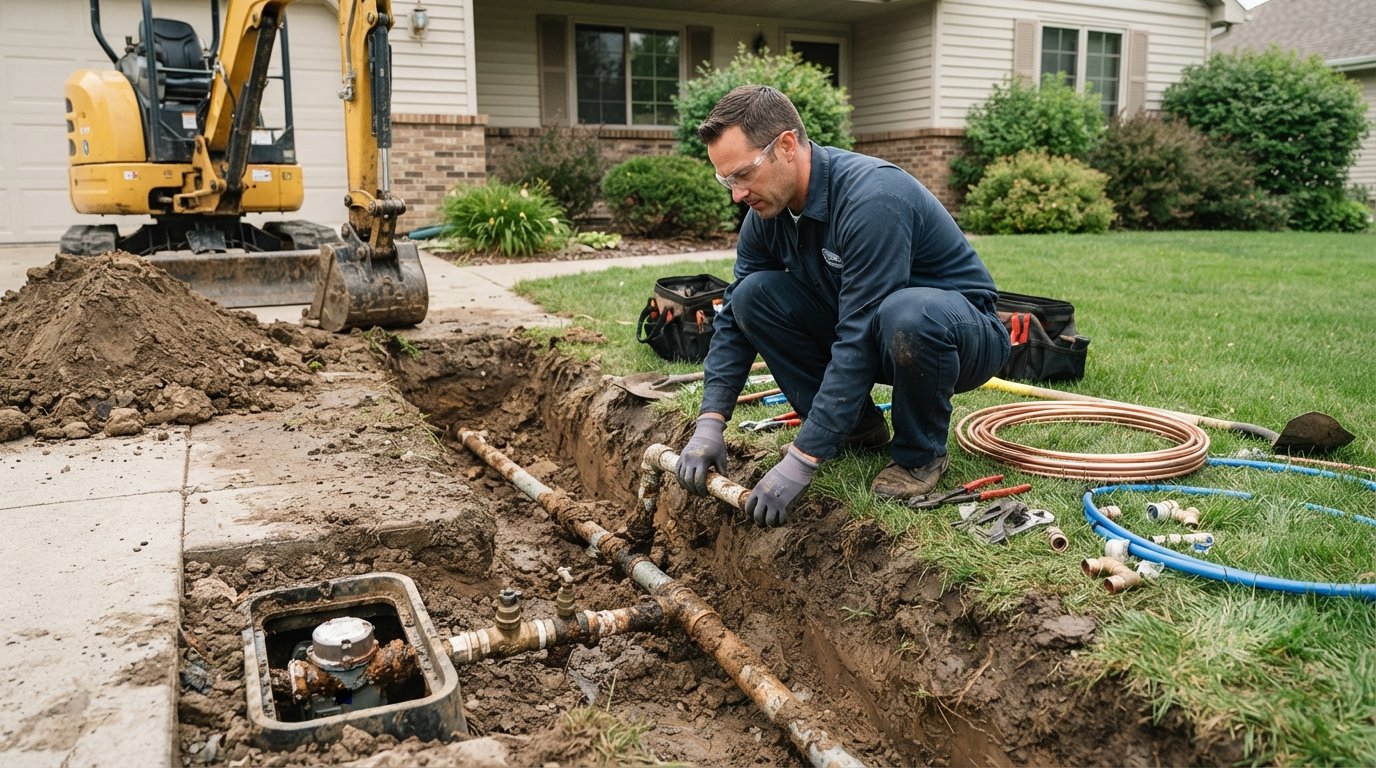
The main water line, sometimes called the water service line, runs underground from the municipal meter at your property line (or from a private well) to the point where it enters your house. In most single-family homes it is a single continuous pipe, typically 3/4 inch to 1 inch in diameter, buried anywhere from 18 inches to 6 feet deep depending on your region's frost line. Because it sits below grade, diagnosing and replacing it is far more involved than swapping out a fixture under the sink.
A full replacement usually includes several distinct phases. The contractor locates the existing line, often using trenchless technology or excavation, then exposes the connection points at both ends. The old pipe is removed or abandoned, and a new line (commonly copper, PEX, or HDPE) is routed along a similar path. Finally, the system is pressure tested, flushed, and inspected before the trench is backfilled and the surface restored. Each of these steps adds labor, equipment, and materials to the final bill, which is why quotes can swing by thousands of dollars between contractors.
Homeowners often confuse the main line with the sewer line. They are separate systems: the water line brings clean water in, the sewer line carries waste out. Replacement costs differ significantly because materials, code requirements, and excavation depths vary. If you are unsure which line is failing, a licensed plumber can perform a camera inspection or pressure test to confirm before any digging begins.
Main Water Line Replacement Cost Breakdown for 2026
Nationally, most homeowners pay between $1,500 and $5,000 for a standard main water line replacement, with the average landing around $2,500 to $3,500. That range reflects a typical 50 to 100 foot run on a relatively accessible lot with no major obstructions. Complex jobs, such as those requiring lengthy trenching under driveways, mature trees, or city sidewalks, can push the total past $8,000 or even $10,000. It is worth noting that some municipalities cover the portion of the line from the street to the property line, while the homeowner is responsible for everything from the property line to the house. Always confirm your local responsibility split before budgeting.
Several variables drive the final number. Pipe material matters: PEX and HDPE are generally less expensive than copper, but copper remains popular in certain regions for its durability. Trenchless methods, such as pipe bursting or directional boring, reduce lawn damage and restoration costs but carry higher equipment fees. Permits, inspections, and backflow prevention devices add another layer. Emergency or after-hours calls typically carry a premium of 20 to 50 percent.
Here is a rough breakdown of what you can expect to see on a typical quote:
- Materials: $300 to $1,200 for 50 to 100 feet of pipe, fittings, and valves, depending on material choice.
- Labor and equipment: $800 to $2,500 for excavation, trenching, or trenchless boring, plus pipe installation.
- Permits and inspections: $100 to $500, varying widely by municipality.
- Restoration: $200 to $1,500 to repair landscaping, driveways, sidewalks, or sod.
- Emergency premium: $200 to $1,000 extra for nights, weekends, or holidays.
These figures are ballpark ranges, not quotes. The only way to know your actual cost is to get at least two or three written estimates from licensed local contractors. A trustworthy pro will walk the property, locate the line, explain the method they plan to use, and itemize every charge. If a quote seems unusually low, ask what is excluded. Often the low bid omits restoration, permits, or both.
Warning Signs Your Main Water Line Is Failing
Catching a failing main line early can mean the difference between a few hundred dollars in repairs and thousands in water damage, foundation issues, or emergency excavation. Some signs are obvious, but others develop slowly and are easy to dismiss. Pay attention to changes in your water bill, your lawn, and the sound of your plumbing.
The most common warning signs include:
- Unexplained spikes in your water bill: A sudden jump with no change in usage usually points to a leak somewhere in the system.
- Constant or intermittent wet spots in the yard: Soggy patches, especially near the path of the main line, suggest underground water escaping.
- Low water pressure throughout the house: When every faucet and shower loses pressure at once, the main line is a prime suspect.
- Discolored or metallic-tasting water: Rust, sediment, or a strange taste can indicate pipe corrosion or a breach allowing soil in.
- Puddles or dampness near the foundation: Water pooling against the house can signal a leak close to the entry point.
Other signs are subtler. You might hear water running when no fixtures are on, notice the sound of rushing water under the floor, or see the water meter spinning with everything shut off. In colder climates, a frozen or burst main line can cause sudden, dramatic flooding. If you suspect a leak, shut off the main valve immediately and call a plumber. Delaying can turn a repairable pipe into a full replacement and a much larger bill.
How to Confirm a Leak Before Calling a Pro
Before you spend money on a service call, you can perform a simple meter test. Turn off every faucet, appliance, and irrigation zone in the house. Locate your water meter and note the reading. Wait 20 to 30 minutes without using any water, then check the meter again. If the reading has moved, you likely have a leak somewhere between the meter and the house. This test does not pinpoint the location, but it confirms the problem is real and gives the plumber a head start.
You can also inspect visible portions of the line. If your main line enters through a basement or crawlspace, look for moisture, corrosion, or mineral buildup around the entry point. Outside, walk the path of the line and look for unusually green grass, soft ground, or small sinkholes. These visual cues, combined with the meter test, can help you describe the issue accurately when you call for estimates.
Repair vs. Replace: Making the Right Call
Not every leak requires a full replacement. A small, isolated leak in a copper line can sometimes be repaired with a clamp or a short section replacement for a few hundred dollars. However, if the pipe is old, corroded, or has already been patched multiple times, replacement is usually the smarter long-term investment. Repeated repairs add up quickly, and each one disturbs the surrounding soil and landscaping.
Consider replacement if your line is over 40 years old, if you have had two or more leaks in the past five years, or if your pipe is made of polybutylene or galvanized steel, both of which degrade over time. Trenchless replacement methods have made full swaps less disruptive than they once were, often preserving driveways and mature trees. In many cases, the cost difference between a major repair and a full replacement is small enough that replacement pays for itself in peace of mind and avoided future bills.
If you are also planning other exterior projects, such as a roof replacement, it helps to sequence the work so excavation does not damage new surfaces. For example, if your roof is nearing the end of its life, consult a roof replacement cost guide to plan that project alongside your water line work and avoid paying twice for landscaping or driveway repairs.
How to Hire the Right Contractor for the Job
Main water line replacement is not a DIY project for most homeowners. It requires excavation equipment, knowledge of local codes, and in many jurisdictions a licensed plumber or utility contractor. Hiring the wrong pro can lead to shoddy work, failed inspections, or even damage to other utilities. Start by getting at least three written estimates from licensed, insured contractors who have experience with underground water lines in your area.
Ask each contractor about their method (trenchless vs. open trench), their timeline, and what their quote includes. Confirm that permits and restoration are covered. Request references from similar jobs completed in the past year, and check that the contractor carries both general liability and workers' compensation insurance. A reputable pro will provide these without hesitation.
For homeowners who want help finding vetted local contractors, HomeRemodelingsContractors offers a free service that connects you with experienced professionals in your area. You can compare estimates, ask questions, and choose the right fit for your budget and timeline. Platforms like this can save hours of research and reduce the risk of hiring an unqualified contractor.
Preventing Future Main Water Line Problems
Once your new line is in, a few habits can extend its life and help you avoid another costly replacement. Keep a record of the installation, including the material used, the depth, and the route. This information is invaluable if you ever need to locate the line for future digging or repairs. Avoid planting trees or shrubs directly over the line, as roots can eventually infiltrate and damage even sturdy pipes.
Monitor your water bill monthly for unexplained increases. A slow leak can waste thousands of gallons before it becomes visible. If you live in a region with freezing winters, make sure the line is buried below the frost line and consider adding insulation at the entry point. Finally, schedule a professional inspection every few years, especially if your home is older or you have had prior issues. Early detection is almost always cheaper than emergency replacement.
Budgeting for a main water line replacement is never pleasant, but understanding the cost range and recognizing the warning signs puts you in control. Whether you are facing an active leak or simply planning ahead, getting multiple estimates and choosing a qualified contractor are the two most important steps you can take. With the right information and the right pro, you can protect your home, your landscaping, and your wallet.