
Roof Replacement Cost Guide: Plan and Save in 2026
A roof replacement is a big investment. Learn the key cost factors, material choices, and how to hire the right contractor to save money.

By Liam Weston
Learn more about Roof Installation or Replacement for guides, costs, and what to expect.
Compare Roof Installation or Replacement Pros Near You

Enter your ZIP code to compare top-rated local professionals and request free quotes.
Your roof is one of the most critical components of your home, yet it is often overlooked until a leak appears or a storm causes damage. A roof replacement is a major investment, and the thought of managing it can feel overwhelming. However, with the right knowledge and a clear plan, you can navigate this project with confidence. This guide will walk you through every step of the roof replacement process, from understanding costs and materials to choosing a contractor and managing the project. You will learn how to avoid common pitfalls, protect your budget, and ensure your new roof adds lasting value to your home. Let us start by exploring the key factors that influence the cost of a new roof.
What Determines the Cost of a Roof Replacement?
The cost of a roof replacement can vary dramatically, often ranging from $5,000 to over $30,000. This wide range is due to several critical factors that you need to understand to get an accurate estimate for your home. The size of your roof is the primary cost driver, measured in squares (one square equals 100 square feet). A larger roof simply requires more materials and labor, which increases the overall price.
Beyond size, the type of roofing material you choose has a significant impact. Asphalt shingles are the most common and affordable option, while materials like metal, tile, or slate are more expensive but offer greater longevity and durability. The complexity of your roof's design, such as steep slopes, multiple valleys, or skylights, also adds to the labor cost. Finally, your geographic location influences pricing due to regional differences in material costs, labor rates, and building codes. Understanding these factors is the first step in creating a realistic budget for your project.
Breaking Down the Cost Factors
To help you plan, here is a breakdown of the main elements that will shape your roof replacement quote. Consider these points as you start gathering estimates from contractors.
- Roof Size and Pitch: Larger roofs and steeper pitches require more materials and safety equipment, increasing labor time and cost.
- Material Choice: Asphalt shingles are the budget-friendly standard, while metal, wood shake, tile, and slate offer premium durability and aesthetics at a higher price.
- Underlayment and Ventilation: A quality underlayment (like synthetic felt) and proper attic ventilation are essential for the longevity of your roof and can add to the base cost.
- Labor and Overhead: Contractor labor rates, disposal fees for the old roof, and the cost of permits are all part of the final quote.
- Removal of Old Roof: Tearing off the existing roofing layers is labor-intensive and adds to the total cost, but it is necessary for a proper installation.
Each of these factors can significantly influence your final price. For example, a simple, single-story home with a low-pitch roof and asphalt shingles will be on the lower end of the cost spectrum. A two-story home with a steep, complex roofline and premium materials will be on the higher end. Always get multiple detailed quotes that break down these costs so you can make an informed comparison. The average ROI for a roof replacement is around 60%, but a new roof is essential for protecting your home's interior and structural integrity, making it a worthwhile investment.
Signs You Need a New Roof
Knowing when to replace your roof rather than repair it can save you from costly damage to your home's interior and structure. While some issues are obvious, others are subtle and can be missed by an untrained eye. Regular inspections, especially after severe weather, are crucial. Look for these common warning signs that indicate a roof replacement may be necessary.
If you notice shingles that are cracked, curling, or missing, this is a clear sign of wear. Granules from asphalt shingles accumulating in your gutters is another red flag, indicating that the shingles are reaching the end of their lifespan. Daylight visible from your attic through the roof boards, or water stains on your ceilings and walls, are serious problems that often mean the roof deck is compromised. An aging roof, typically over 20 years old for asphalt shingles, is also a prime candidate for replacement, even if it looks fine from the ground.
When to Call a Professional for a Roof Inspection
If you notice any of the signs above, it is wise to schedule a professional roof inspection. A qualified contractor can assess the condition of your entire roofing system, including the decking, flashing, and ventilation. They can determine if a repair will suffice or if a full replacement is the more cost-effective long-term solution. Many roofing companies offer free estimates, which we recommend you take advantage of. You can use a service like BuySellRemodel to find experienced local contractors who can provide a thorough inspection and a no-obligation quote. The cost of a new roof is a significant expense, but early intervention can prevent much larger, more expensive problems down the line, such as structural rot, mold, and damage to your belongings.
Choosing the Right Roofing Material
Selecting the right material for your new roof is a decision that balances budget, aesthetics, durability, and climate. The most popular choice, asphalt shingles, offers a great balance of cost and performance. They come in a variety of colors and styles, including architectural shingles that provide a more dimensional look. Asphalt shingles are a solid choice for most homes and typically last between 20 and 30 years.
For homeowners seeking a longer lifespan and superior durability, metal roofing is an excellent option. It can last 40 to 70 years, is highly resistant to wind and fire, and is energy-efficient. However, the upfront cost is significantly higher. Other premium materials include wood shakes, which offer a natural, rustic aesthetic but require more maintenance, and clay or concrete tiles, which are extremely durable and fire-resistant, but are heavy and best suited for certain architectural styles. Your choice will not only affect the initial cost but also your home's curb appeal and its resale value.
To help you compare, here is a brief overview of common roofing materials and their key benefits. This can be a starting point for discussions with your contractor.
- Asphalt Shingles: Affordable, easy to install, and available in many colors. Good for most climates.
- Metal Roofing: Extremely durable, energy-efficient, and low-maintenance. Can be made from steel, aluminum, or copper.
- Wood Shakes: Natural appearance, good insulation properties, but require more upkeep and are not ideal for fire-prone areas.
- Slate or Tile: Premium look and very long lifespan, but heavy and expensive. Best for high-end or architectural homes.
Your contractor can help you understand which material is best suited for your home's structure and your local weather patterns. For example, if you live in an area prone to hail or high winds, a more durable material like metal or impact-resistant shingles might be a wise investment. If you are planning to sell your home in the near future, a new roof with a classic style and a transferable warranty can be a strong selling point. Most homeowners recoup a significant portion of their investment in a new roof at resale, making it one of the smarter home improvement projects.
How to Find and Hire the Right Roofing Contractor
The success of your roof replacement depends heavily on the contractor you choose. A reputable, experienced professional will ensure the job is done correctly, safely, and on time. However, finding that right pro can be a challenge. You need to vet potential contractors thoroughly to avoid issues with workmanship, safety, and warranty coverage. Start by asking for recommendations from friends, family, and neighbors, and then supplement that with your own online research.
When you have a list of candidates, it is essential to check their credentials. Ensure they are licensed, insured (including workers' compensation and liability insurance), and bonded. Look for local companies with a solid reputation, as they are more likely to be invested in their community and responsive to any future issues. A platform like BuySellRemodel can simplify this process by connecting you with a curated network of vetted local contractors, saving you time and giving you peace of mind that they have been screened.
Key Questions to Ask Before Hiring
Once you have a few contractors in mind, schedule a consultation and ask them these important questions. The answers will give you a clear picture of their professionalism and expertise.
- Are you licensed and insured? This is non-negotiable. Ask for proof of both liability and workers' compensation insurance.
- Can you provide local references? A reputable contractor should be happy to share contact information for past clients in your area.
- What warranties do you offer? You should get a warranty on the materials from the manufacturer and a workmanship warranty from the contractor.
- Will you provide a detailed written estimate? The quote should clearly spell out the scope of work, materials, timeline, and payment schedule.
- How will you protect my property? Ask about their process for protecting your landscaping and cleaning up the job site.
After you have gathered all the information, compare the quotes not just on price, but on the quality of materials, the scope of work, and the contractor's communication style. The lowest bid is not always the best value. A slightly higher estimate from a highly recommended contractor may save you money in the long run by avoiding costly mistakes and callbacks. Also, be wary of contractors who ask for a large upfront payment. A typical payment schedule might be a small deposit, with the balance due upon completion. This protects you and ensures the work is done to your satisfaction.
The Roof Replacement Process: What to Expect
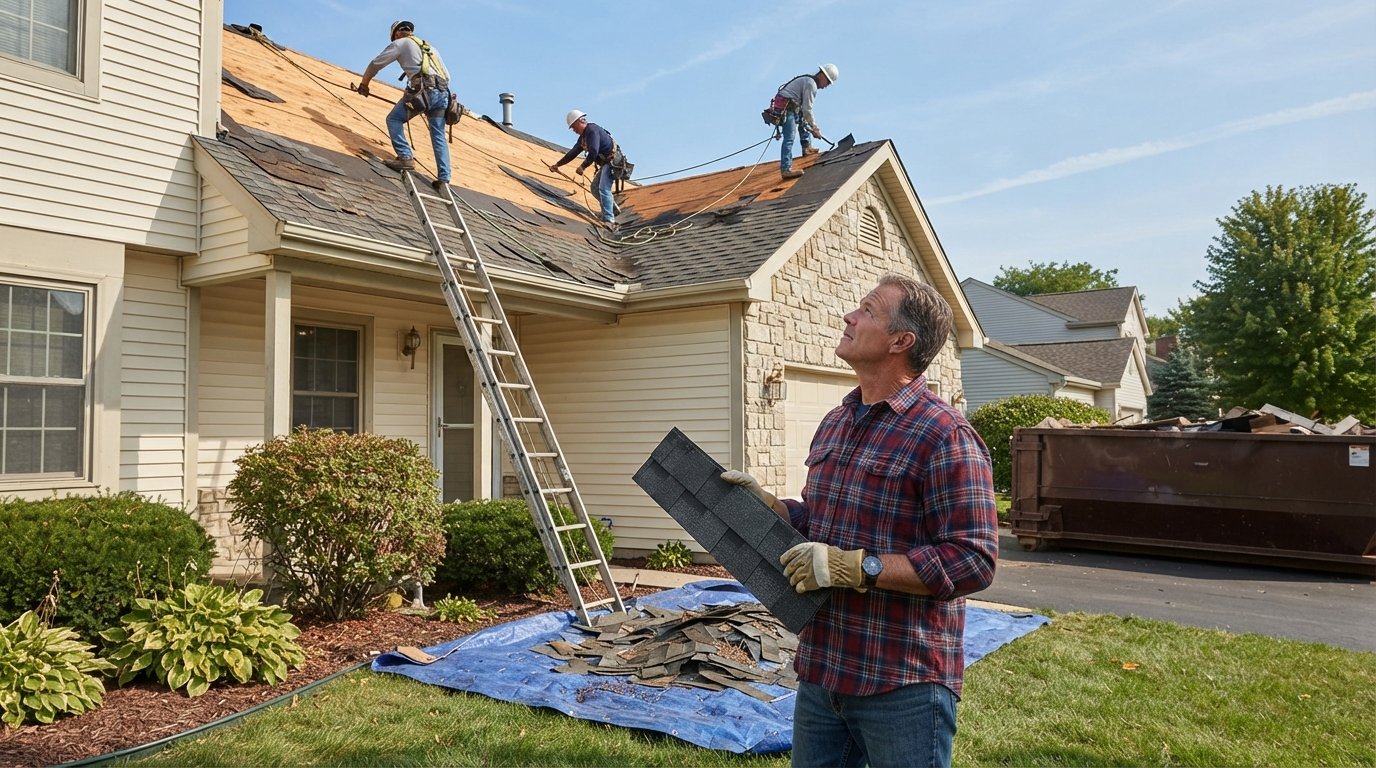
Understanding the roof replacement process can help you prepare and reduce anxiety. A typical residential roof replacement is a complex job that usually takes one to three days for a standard-sized home, but it can take longer for larger or more complex roofs. The process begins with a pre-construction meeting with your contractor to review the plan, materials, and safety procedures. Then, on the first day, the crew will arrive and set up the site, protecting your landscaping and driveway with tarps.
The actual work begins with tearing off the old roofing material. This is a noisy, dusty process, but a professional crew will be efficient and use a magnet to pick up any stray nails. After the old roof is removed, the contractor will inspect the roof decking for any rot or damage and replace any compromised wood. Next, they will install new underlayment, which is a protective layer between the decking and the new shingles. This is followed by the installation of flashing around chimneys, vents, and valleys, which is critical for preventing leaks. Finally, the new roofing material is installed, starting from the bottom edge and working up.
What to Do During the Installation
While the crew is working, you can take a few steps to make the process go smoothly. Clear your driveway and garage so the crew has easy access to your roof. Cover items in your attic to protect them from dust and vibration. Make arrangements for pets and children to stay away from the work area, as it can be dangerous. You should also inform your neighbors about the project, as there will be increased noise and truck traffic.
After the installation is complete, the crew will perform a final cleanup, using a magnetic roller to pick up nails and hauling away all debris. Your contractor should then walk you through the finished work, showing you the new roof and explaining the warranty. If you notice any issues or have any questions, do not hesitate to bring them up. A reputable contractor will be happy to address your concerns and ensure you are completely satisfied with the job. This attention to detail is the mark of a professional and is a key part of getting the job done right.
Financing Your Roof Replacement
Given the significant cost, many homeowners need to explore financing options for their roof replacement. You have several choices, each with its own pros and cons. The most straightforward option is paying in cash, which avoids any interest charges and gives you immediate equity. If that is not feasible, you can use a home equity loan or a home equity line of credit (HELOC), which often have favorable interest rates because they are secured by your home.
Another popular option is financing through the roofing contractor. Many companies offer payment plans or partnerships with financing companies that can provide low or no-interest promotions for a set period. However, it is crucial to read the fine print and understand the interest rates that kick in after the promotional period. You can also use a personal loan from a bank or credit union, which is unsecured and may have higher interest rates but can be a faster process. Before choosing any option, compare the terms and total costs to find the solution that best fits your budget.
Here is a look at some common financing methods to help you weigh your choices. This is a significant financial decision, so take your time and ask your contractor about any incentives they offer.
- Cash: Pay for the project upfront with no interest. This is the most cost-effective if you have the funds.
- Home Equity Loan: Borrow a fixed amount against your home's equity. Offers predictable monthly payments and often lower interest rates.
- Home Equity Line of Credit (HELOC): A revolving line of credit with a variable interest rate. Gives you flexibility to draw funds as needed.
- Contractor Financing: Many roofing companies offer in-house financing or partnerships with third-party lenders. Often comes with promotional offers.
- Personal Loan: An unsecured loan from a financial institution. Quick to obtain, but interest rates may be higher.
Regardless of how you choose to finance, it is wise to get multiple quotes for your roof replacement and verify the contractor's insurance and licensing. Using a platform like BuySellRemodel can be a great starting point, as it helps you find professional contractors who can provide free estimates and guide you through the process. They can also give you a clearer idea of the project scope and timeline, helping you make a more informed decision about financing. A new roof is a major home improvement that protects your family and increases your property value, so investing time in planning and financing is well worth it.
In conclusion, a roof replacement is a substantial project, but it does not have to be a stressful one. By understanding the cost factors, choosing the right materials, selecting a qualified contractor, and planning your financing, you can ensure a smooth and successful experience. Remember to do your research, ask plenty of questions, and never feel pressured into a decision. With the right preparation, you can enjoy the peace of mind that comes with a durable, beautiful new roof over your head. It is a smart investment in the safety, comfort, and value of your home.
Learn more about Roof Installation or Replacement for guides, costs, and what to expect.
Compare Roof Installation or Replacement Pros Near You
Enter your ZIP code to compare top-rated local professionals and request free quotes.