
How to Protect Your Home and Belongings During Construction
Protect your home and belongings during construction with smart prep and daily routines. Call (833)-365-8755 for trusted local contractor referrals.

By Amelia Reed
Learn more about Home Remodeling for guides, costs, and what to expect.
Compare Home Remodeling Pros Near You

Enter your ZIP code to compare independent local professionals and request free quotes.
Construction and remodeling projects bring dust, noise, and a rotating cast of workers through your home. While the end result may be a beautiful new kitchen or a repaired roof, the process itself can put your belongings, your indoor air quality, and even your security at risk. The good news is that most construction-related damage and loss is preventable with a clear plan agreed upon before the first hammer swings. Whether you are hiring a general contractor for a major renovation or managing a smaller repair, knowing how to protect your home and belongings during construction is essential for a smooth, stress-free project.
Secure Valuables, Tools, and Entry Points Before Work Begins
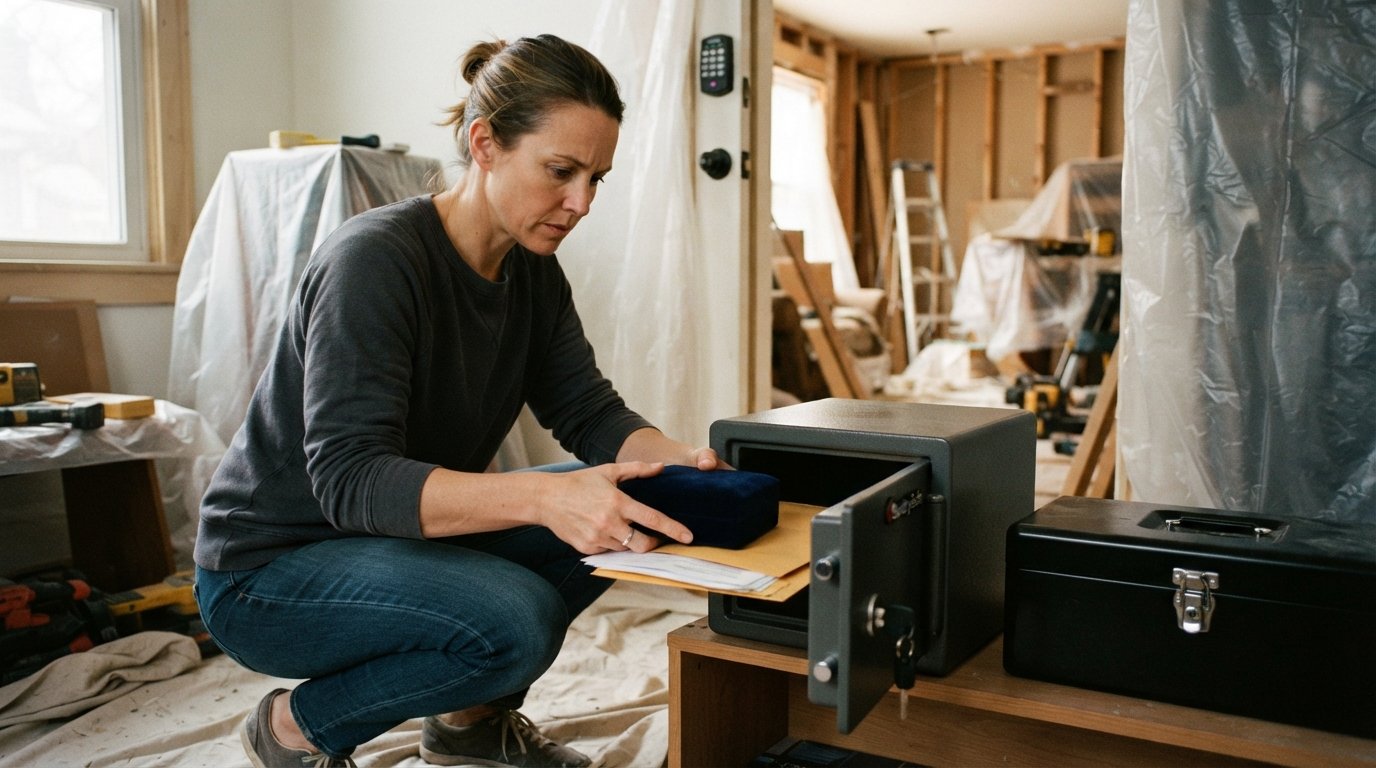
The most common losses during construction are not structural failures; they are misplaced jewelry, stolen power tools, and unlocked doors. Before demolition day, walk through your home and remove anything you would not want a stranger to see or handle. This includes cash, jewelry, passports, financial documents, firearms, and small electronics. Lock these items in a safe or move them to a secure off-site location for the duration of the project. If you have a home office, clear out client files and sensitive data as well.
Next, think about entry points. Contractors need access, but that access should be controlled. Decide which doors will be used for the job and keep all others locked. If possible, provide a lockbox or a temporary keypad code that can be changed after the project ends. Ask your contractor to confirm that every worker knows not to prop doors open or leave windows unlocked at the end of the day. For larger projects, a site-specific security plan that includes a sign-in sheet and a designated material staging area can further reduce risk. You can find a detailed pre-construction walkthrough in this demolition day prep checklist for homeowners, which covers room-by-room steps for safeguarding your space.
Tools and equipment also need protection. If you own valuable tools, lock them away in a garage cabinet or a storage unit. Contractors typically bring their own equipment, but theft of professional-grade tools from job sites is common. Ask your contractor whether they carry insurance for their equipment and whether they will secure tools overnight. If you are storing materials on site, such as copper pipe or appliances, keep them out of sight and behind a locked barrier when possible.
Control Dust and Protect Surfaces with Physical Barriers
Dust is the most invasive byproduct of construction. It travels through HVAC systems, settles into upholstery, and scratches hardwood floors. The best defense is containment: seal off the work area with plastic sheeting and zippered doorways. Use tape to secure the plastic to ceilings and floors, and make sure the barrier extends beyond the immediate work zone. For projects that generate fine dust, such as sanding drywall or cutting tile, a negative air machine with a HEPA filter can keep airborne particles from spreading to the rest of the house.
Floor protection is equally important. Heavy foot traffic and dropped tools can ruin hardwood, tile, and carpet. Use rosin paper or heavy-duty floor runners on hard surfaces, and cover carpets with plastic film or self-adhesive carpet protector. Secure the edges with painter's tape that will not leave residue. In high-traffic paths, lay down plywood over the protective layer to distribute weight and prevent tears.
Your HVAC system is a major dust pathway. Before work begins, seal all supply and return vents in the construction zone with plastic and tape. Change your air filter before the project starts and again after it ends. If the work involves major demolition or drywall sanding, consider turning off the HVAC system entirely during peak dust-generating hours and using portable fans to exhaust air out a window. This simple step can save you from costly duct cleaning later.
Daily Closeout Routines to Agree On with Your Contractor
A clean job site is a safe job site. At the end of each workday, your contractor should follow a closeout routine that includes sweeping or vacuuming the work area, securing all entry points, and removing valuable tools and materials. Ask for a written closeout checklist as part of your contract. A typical routine might include:
- Picking up debris and placing it in designated trash bins.
- Locking all doors and windows used during the day.
- Storing tools and equipment in a locked trailer or interior room.
- Turning off space heaters and other temporary equipment.
- Confirming that dust barriers are still intact.
Review this routine with your contractor before work starts and ask for a daily confirmation. A quick text or email at the end of each day can give you peace of mind and create a record of compliance. If you notice that barriers are routinely down or doors are left unlocked, address it immediately with your project manager.
Document Everything Before and After Damage Occurs
Even with the best precautions, accidents happen. A dropped tool can crack a tile, or a worker might accidentally paint over a light fixture. When damage occurs, your ability to recover costs depends on documentation. Before construction begins, take photos and video of every room, including closets, basements, and attics. Note existing cracks, stains, or scratches. This baseline record is invaluable if you need to file an insurance claim later.
During the project, keep a folder (digital or physical) with your contract, change orders, receipts for materials you purchased, and any correspondence with your contractor. If damage occurs, photograph it immediately and notify your contractor in writing. Most contractors carry general liability insurance, and a clear, documented claim is more likely to be resolved quickly. If you are planning a larger renovation and need help finding a qualified professional, HomeRemodelingsContractors.com offers resources to connect with experienced local contractors and free estimates, which can reduce the risk of hiring an unvetted crew.
Finally, review your homeowner's insurance policy before work begins. Most policies cover damage from construction, but some require a separate rider for major renovations. A quick call to your insurance agent can confirm your coverage and prevent surprises. With the right preparation, you can protect your home and belongings during construction and enjoy your updated space with confidence.
Learn more about Home Remodeling for guides, costs, and what to expect.
Compare Home Remodeling Pros Near You
Enter your ZIP code to compare independent local professionals and request free quotes.