
Durable Flooring for High Traffic Areas of the Home
Find durable flooring for high traffic areas of the home that resists scratches and moisture. Call 8333658755 for free local estimates.

By Leo Cross
Learn more about Floor Installation or Replacement for guides, costs, and what to expect.
Compare Floor Installation or Replacement Pros Near You

Enter your ZIP code to compare top-rated local professionals and request free quotes.
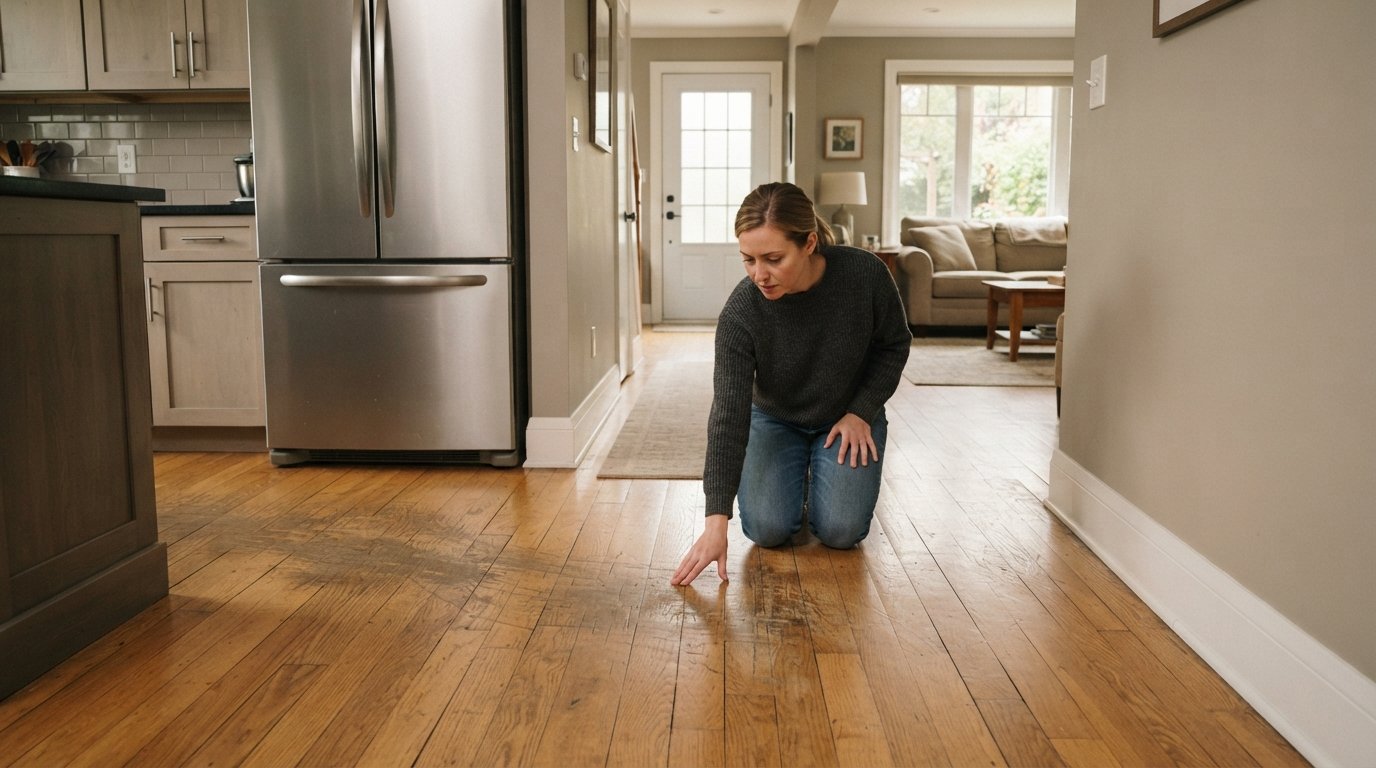
Every home has that one stretch of floor that takes a beating. It is the hallway between the kitchen and the living room, the path from the back door to the laundry room, or the strip of floor in front of the refrigerator where everyone stands while deciding what to eat. These are the high traffic areas of the home, and they are where cheap flooring goes to die. Scratches, dents, water damage, and worn finish all show up here first. Choosing durable flooring for high traffic areas of the home is not about being fussy. It is about protecting your investment and avoiding a replacement project two or three years from now.
The good news is that today's flooring market offers more resilient options than ever. Materials that once looked strictly commercial now come in finishes that blend into any living space. You can get the warmth of wood, the clean look of tile, or the softness of carpet without sacrificing durability. The trick is knowing which materials actually hold up, how they are rated, and where each one makes the most sense.
What Makes Flooring Durable in the First Place
Durability in flooring is not one single quality. It is a combination of hardness, water resistance, scratch resistance, and finish quality. A floor can be hard but brittle, or water resistant but easily scratched. Understanding these factors helps you compare options honestly instead of relying on marketing language.
The first factor is surface hardness. The Janka scale is the standard measure for wood and wood-look products. It rates how much force is needed to drive a steel ball into the surface. Higher numbers mean better resistance to dents from dropped objects and furniture legs. For high traffic areas, a Janka rating above 1,000 is a reasonable target, though some popular species fall below that and still perform well with the right finish.
The second factor is water resistance. High traffic areas often overlap with moisture zones. Mudrooms, kitchens, bathrooms, and laundry rooms all see spills and tracked-in water. Flooring that swells or delaminates when wet will fail quickly in these spots. Luxury vinyl plank and tile handle moisture far better than solid hardwood or standard laminate.
The third factor is the wear layer or finish. For vinyl and laminate, a thicker wear layer means better resistance to scratches and scuffs. For hardwood, the type of finish (oil-based polyurethane, water-based polyurethane, or aluminum oxide) determines how well the surface stands up to daily use. Aluminum oxide finishes are among the hardest and most scratch resistant available for wood floors.
Top Durable Flooring Options for Busy Homes
With those factors in mind, here are the materials that consistently perform well in high traffic areas. Each has trade-offs, and the best choice depends on the room, your budget, and how much maintenance you are willing to do.
- Luxury vinyl plank (LVP): Waterproof, scratch resistant, and comfortable underfoot. Modern LVP looks remarkably like wood or stone. It is one of the best all-around choices for hallways, kitchens, and mudrooms.
- Porcelain and ceramic tile: Extremely hard, water resistant, and easy to clean. Tile is ideal for entryways, bathrooms, and kitchens. It can feel cold and hard underfoot, so consider radiant heat or area rugs.
- Engineered hardwood: Real wood on top, plywood core underneath. It handles humidity changes better than solid hardwood and can be refinished once or twice. Good for living rooms and dining areas with moderate traffic.
- Laminate: Hard and scratch resistant with a photographic wood or stone layer. Modern water-resistant laminates perform well in kitchens and hallways, though they are not fully waterproof.
- Luxury vinyl tile (LVT): Similar to LVP but cut into square or rectangular tiles. Great for bathrooms and laundry rooms where a stone or tile look is preferred.
Each of these options has a place in a busy home. The key is matching the material to the specific demands of the space. A bathroom floor needs waterproofing above all else. A hallway needs scratch resistance and easy cleaning. A living room might prioritize comfort and appearance over pure toughness. If you are weighing wood-look options specifically, our guide on hardwood vs laminate flooring and home value breaks down how each choice affects resale.
Matching Flooring to the Right Room
High traffic areas are not all the same. A mudroom sees wet shoes, road salt, and pet claws. A kitchen sees dropped utensils, hot spills, and constant foot traffic. A hallway sees repetitive wear in a narrow path. A living room sees furniture movement and occasional spills. Thinking room by room prevents costly mistakes.
For mudrooms and entryways, the top priority is water resistance and scratch resistance. LVP or LVT is hard to beat here. It handles wet boots, cleans up easily, and does not require sealing. Porcelain tile is another strong option, especially in colder climates where a heated floor can make the space more comfortable.
For kitchens, look for a balance of water resistance and comfort. Standing for long periods on tile can be tiring, so LVP or engineered hardwood with a tough finish may be more comfortable. If you choose hardwood, wipe up spills promptly and use mats near the sink and dishwasher.
For hallways, scratch resistance and finish durability matter most. Laminate and LVP both perform well. Hardwood can work if the finish is aluminum oxide and you use felt pads on furniture. Avoid soft woods like pine in these areas unless you accept that they will show character marks over time.
For living and dining rooms, appearance and comfort often matter more than extreme durability. Engineered hardwood, high-quality laminate, or plush carpet with a dense pile can all work. If the room connects to a high traffic hallway, consider continuing the same durable floor for a seamless look and easier maintenance.
Installation and Maintenance Tips That Extend Floor Life
Even the most durable flooring will underperform if it is installed poorly or neglected. A few simple habits can add years to the life of your floor, especially in the busiest parts of the home.
- Prepare the subfloor properly. Uneven or damp subfloors cause squeaks, cracks, and premature failure. Level and moisture-test before installation.
- Use the right underlayment. Underlayment affects sound, comfort, and moisture protection. Follow the manufacturer's recommendations for your specific product.
- Place mats and runners in high traffic paths. A washable runner in the hallway and a mat at each exterior door capture dirt and moisture before they reach the floor.
- Clean with the right products. Harsh cleaners can dull finishes and damage grout. Use pH-neutral cleaners recommended by the manufacturer.
- Address spills quickly. Even water-resistant floors can be damaged by standing water over time. Wipe up spills as soon as you notice them.
These steps are not complicated, but they make a real difference. A floor that is installed over a flat, dry subfloor and maintained with basic care will outlast one that is neglected, even if the materials are identical. If you are planning a larger renovation and want help finding the right professional for the job, HomeRemodelingsContractors.com connects homeowners with experienced local contractors for remodeling, repairs, and upgrades.
Budgeting for Durable Flooring Without Overspending
Durable flooring does not have to mean the most expensive option. In fact, some of the most cost-effective choices are also among the most durable. LVP and laminate often cost less per square foot than hardwood or natural stone, and they require less maintenance over time. Tile falls in the middle, with installation costs varying widely by region and pattern complexity.
When budgeting, think beyond the sticker price. Consider the cost of installation, underlayment, trim, transitions, and any subfloor repairs. Also factor in long-term costs. A floor that lasts 20 years with minimal maintenance may be cheaper overall than a floor that lasts 8 years and needs replacing. If you are planning a broader renovation, it helps to compare material costs against the value they add to your home. A flooring upgrade in a high traffic area can improve both daily life and resale appeal.
Getting free estimates from multiple contractors is one of the best ways to understand real costs in your area. It also gives you a chance to ask questions about materials, timelines, and warranties. A good contractor will explain why they recommend a particular product for your space and how it will perform over time.
Common Mistakes to Avoid
Homeowners often choose flooring based on looks alone, then regret it when the material does not hold up. One common mistake is putting solid hardwood in a bathroom or mudroom. Solid wood expands and contracts with moisture and can cup or warp when exposed to water. Another mistake is choosing a thin wear layer to save money. In high traffic areas, a thin wear layer can wear through in a few years, leaving an ugly patch that cannot be repaired.
Another frequent error is skipping the moisture test before installation. Even waterproof flooring can fail if moisture rises from below. A simple plastic sheet test or calcium chloride test can reveal problems before they become expensive. Finally, many homeowners underestimate the importance of transitions and trim. Poorly fitted transitions can catch feet, collect dirt, and look unfinished. Paying attention to these details makes the finished floor look better and last longer.
Matching Flooring to Your Lifestyle
The best flooring for your home depends on who lives there. A household with large dogs and young children needs a floor that resists scratches and cleans up easily. LVP and tile are strong contenders. A retired couple who travel often might prefer engineered hardwood for its warmth and lower maintenance compared to solid wood. A family that entertains frequently might prioritize a floor that looks good and hides dust between cleanings.
Think about how you actually use your home, not how you wish you used it. If the back door is the main entrance, that area will see the most wear. If the kitchen is the gathering place, the floor there will take a beating. Choose materials that match reality, and you will be happier with the result. If you are unsure, a local flooring contractor can walk through your home and recommend options based on your specific layout and habits.
Durable flooring for high traffic areas of the home is an investment in comfort, appearance, and long-term value. With the right material, proper installation, and a little routine care, your floors can handle whatever daily life throws at them. Take the time to compare options, ask questions, and get estimates before you commit. Your future self will thank you every time someone tracks mud through the hallway.