
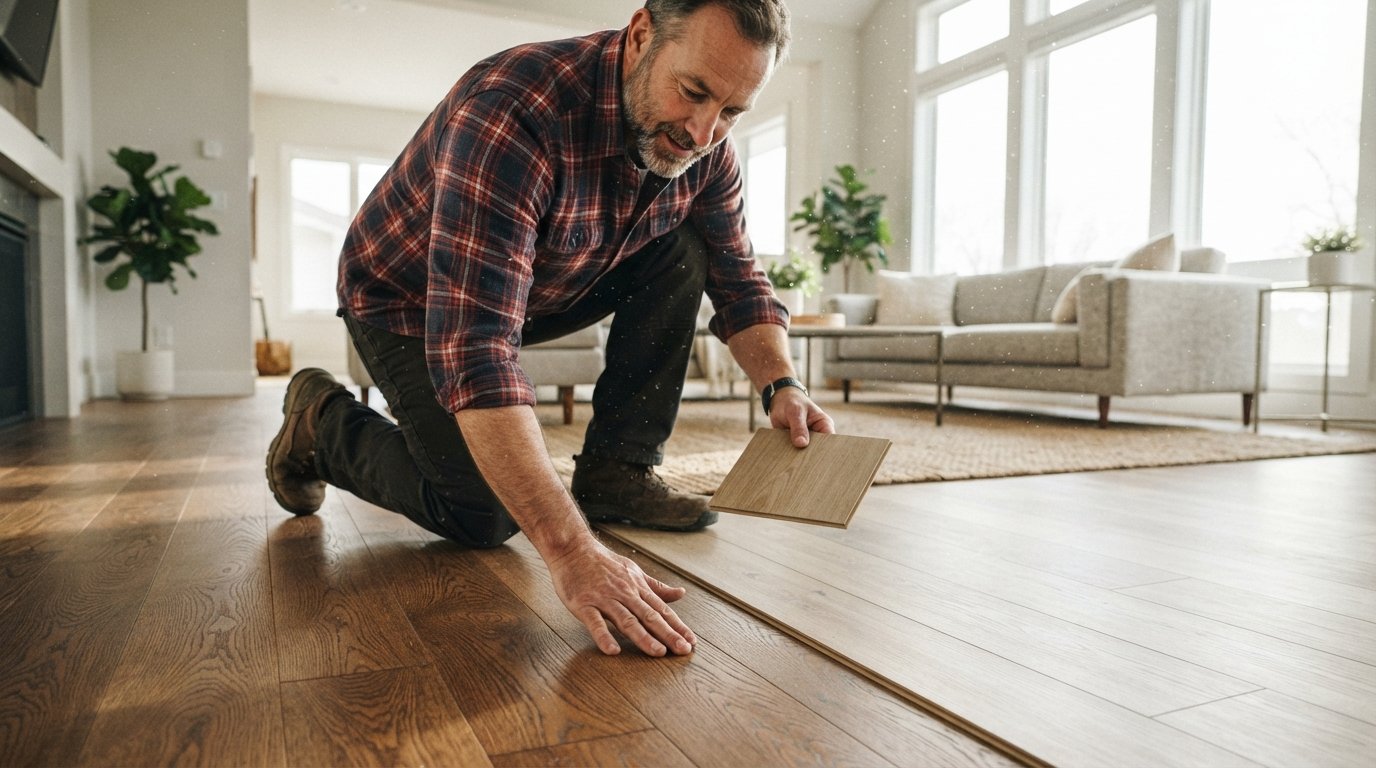
Hardwood vs Laminate Flooring: Pros and Cons for Home Value
Compare hardwood vs laminate flooring pros and cons for home value, including ROI, durability, and buyer appeal, to choose the right floor for your resale goals.

By Zoe Harper
Learn more about Floor Installation or Replacement for guides, costs, and what to expect.
Compare Floor Installation or Replacement Pros Near You

Enter your ZIP code to compare top-rated local professionals and request free quotes.
When you are getting ready to sell your home, or simply planning a renovation that will pay off later, the floor under your feet deserves serious thought. Flooring is one of the first things buyers notice, and it can heavily influence their offer. The debate between hardwood and laminate is a classic one, and the right choice depends on your budget, your lifestyle, and your long-term goals. This guide breaks down the hardwood vs laminate flooring pros and cons for home value so you can make a confident, informed decision that protects your investment.
Why Flooring Matters for Resale Value
Real estate professionals consistently rank flooring as one of the top three factors that sway a buyer's perception. A home with worn carpet or dated tile feels neglected, even if the rest of the house is in great shape. Conversely, beautiful, well-maintained flooring can make a home feel move-in ready, which often translates into faster offers and higher bids. In fact, a National Association of Realtors report found that refinished hardwood floors can return over 100% of their cost at resale, making it one of the highest-ROI projects you can tackle.
However, the equation changes when you look at laminate. Laminate offers a much lower upfront cost, but its effect on home value is less predictable. Some buyers see laminate as a budget-friendly, durable alternative, while others view it as a temporary substitute for the real thing. To understand which material gives you the best return, you need to weigh the initial investment against the perceived value and the longevity of each option.
Hardwood Flooring: Pros and Cons for Home Value
Solid hardwood is the gold standard in flooring. It is made from a single piece of wood, typically oak, maple, or hickory, and it can be sanded and refinished multiple times over its life. This durability is a major selling point because buyers know that a well-maintained hardwood floor can last for decades, even a century. From a home value perspective, hardwood signals quality and permanence, which is why many appraisers and real estate agents actively recommend it for homes in higher price brackets.
The Pros of Hardwood
- Exceptional ROI: Hardwood floors consistently deliver a return on investment of 70% to 80% or more, and in some markets, they can nearly pay for themselves.
- Longevity and Refinishing: You can sand and refinish solid hardwood five to ten times, which means it can look new again even after decades of wear.
- Universal Appeal: Hardwood is a timeless aesthetic that complements nearly any design style, from rustic farmhouse to sleek modern.
- Improved Indoor Air Quality: Unlike carpet, hardwood does not trap dust, pollen, or pet dander, which is a strong selling point for allergy sufferers.
The Cons of Hardwood
- High Upfront Cost: Expect to pay between $8 and $15 per square foot installed, and premium species can cost even more.
- Susceptible to Moisture: Solid hardwood is not recommended for basements or bathrooms, as water can cause warping and cupping.
- Scratches and Dents: While durable, hardwood can be scratched by pets or heavy furniture, and it may need professional refinishing to repair deep damage.
- Professional Installation Required: For best results, you need a skilled installer, which adds to the overall cost.
When you are selling, hardwood gives you a strong negotiating position. Buyers often ask for a flooring credit when they see laminate, but they rarely ask for one when they see a real oak floor. If your home is in a competitive market, hardwood can be the differentiator that pushes a buyer to choose your property over a similar one with cheaper flooring.
Laminate Flooring: Pros and Cons for Home Value
Laminate flooring is a multi-layer synthetic product with a photographic image of wood on top, covered by a clear protective wear layer. It is designed to mimic the look of hardwood at a fraction of the cost. While laminate does not add as much resale value as hardwood, it can still be a smart choice for homeowners who want the look of wood without the hefty price tag, especially in rental properties or lower-priced homes where buyers are more price-sensitive.
The Pros of Laminate
- Affordability: Laminate typically costs $2 to $5 per square foot installed, making it one of the most budget-friendly flooring options.
- Easy Installation: Many laminate floors use a click-lock system that is DIY-friendly, saving you even more money on labor.
- Durability: The wear layer on laminate is highly resistant to scratches, stains, and fading, making it ideal for high-traffic areas and homes with pets.
- Moisture Resistance: Modern laminate is more water-resistant than older versions, and some are even waterproof, making them suitable for kitchens and bathrooms.
The Cons of Laminate
- Cannot Be Refinished: Once laminate is scratched or worn, it must be replaced. You cannot sand it down to restore the surface.
- Lower Perceived Value: Many homebuyers view laminate as a budget material, and they may factor the cost of replacing it into their offer.
- Shorter Lifespan: Laminate typically lasts 15 to 25 years, while hardwood can last a lifetime.
- Potential for Water Damage: Even waterproof laminate can allow water to seep into the seams and damage the core if not properly maintained.
For the budget-conscious homeowner, laminate is a practical way to update a space without breaking the bank. However, if your primary goal is to increase your home's resale value, you should understand that laminate rarely delivers a high ROI. In a seller's market, buyers may overlook laminate, but in a buyer's market, they may use it as a bargaining chip.
Hardwood vs Laminate Flooring Pros and Cons for Home Value: A Direct Comparison
To make the right choice, you need to compare these two materials side by side across the metrics that matter most for resale. The table below summarizes the key differences, but the real takeaway is that hardwood wins on long-term value, while laminate wins on upfront affordability. Your decision should hinge on your timeline and your exit strategy.
- Cost per Square Foot: Hardwood $8 to $15; Laminate $2 to $5.
- Lifespan: Hardwood 50+ years; Laminate 15 to 25 years.
- Refinishing: Hardwood yes; Laminate no.
- Resale ROI: Hardwood 70% to 100%; Laminate 30% to 50%.
- Buyer Perception: Hardwood premium; Laminate budget.
- Moisture Resistance: Hardwood poor; Laminate good to excellent.
When you look at the numbers, the pattern is clear. Hardwood is an investment that appreciates over time, while laminate is a cost-effective solution that serves its purpose but does not offer the same payoff. If you plan to live in your home for more than five years, hardwood is almost always the better financial move because it will still look great when you sell. If you are flipping a house or preparing a rental, laminate might be the smarter cash-flow decision.
How Each Flooring Type Affects Buyer Offers
Flooring is a powerful emotional trigger for buyers. When they walk into a home with gleaming hardwood, they often imagine hosting dinners, playing with kids on a warm surface, and enjoying the durability of a natural material. That positive emotion can lead to higher offers and fewer requests for concessions. In contrast, laminate can feel like a compromise. Buyers may think, "This looks nice, but I would want to replace it with real wood eventually," which can lead to a lower offer or a request for a flooring allowance.
Real estate agents frequently advise sellers to install hardwood in main living areas, especially if the home is in a mid-to-upper price range. For lower-priced homes or investment properties, laminate is acceptable, but it should be a high-quality laminate with a realistic wood grain pattern. Cheap, glossy laminate can actually hurt your sale, as it looks obviously synthetic. If you do choose laminate, opt for a matte finish and a textured surface to mimic the feel of real wood.
Cost vs. Value: The Financial Breakdown
Let's look at a concrete example. Suppose you have a 1,500 square foot first floor that needs new flooring. For hardwood, you might pay $12 per square foot installed, which comes to $18,000. At resale, hardwood typically returns about 80% of its cost, meaning you could add roughly $14,400 to your home's value. For laminate, you might pay $4 per square foot installed, or $6,000. Laminate typically returns about 40% of its cost, adding around $2,400 to your home's value.
In this scenario, hardwood costs $12,000 more upfront but adds $12,000 more in resale value. Over time, hardwood is essentially a break-even investment at sale, while laminate is a net loss of $3,600. However, the story changes if you factor in the cost of refinishing. Hardwood may need a professional refinishing every 10 to 15 years, which costs around $3 per square foot. Over a 30-year period, that adds up, but it is still less than the cost of replacing laminate twice.
Making the Right Choice for Your Situation
There is no one-size-fits-all answer to the hardwood vs laminate flooring pros and cons for home value. Your decision should be based on your specific circumstances, including your budget, your timeline, and the type of home you own. If you are planning to sell within the next few years, and your home is in a competitive price range, hardwood is the safer bet for maximizing your sale price. If you are on a tight budget, or you are updating a home that is already at the lower end of the market, high-quality laminate can still help you attract buyers.
Another factor to consider is the existing style of your home. A historic home with original trim and character will look out of place with laminate, so hardwood is the more authentic choice. A modern condo or a vacation rental might be perfectly suited to the durability and low maintenance of laminate. Also, think about your own lifestyle. If you have large dogs, laminate may be more practical, as it resists scratches better than most hardwoods. In that case, you can install laminate now and upgrade to hardwood later when you are ready to sell.
Installation and Maintenance Considerations
Hardwood installation is a job for a professional. Nailing or stapling planks to a subfloor requires experience, and a poor installation can lead to gaps, squeaks, and uneven surfaces. Laminate, on the other hand, is often a DIY project because of its click-lock system. However, proper subfloor preparation is still essential, and mistakes in leveling can cause the laminate to buckle over time. In either case, working with a vetted contractor can save you from costly errors. For more guidance on when to hire a pro for your home repairs, see When to Hire a Pro for Exterior Home Repairs.
Maintenance is another differentiator. Hardwood requires regular sweeping and occasional mopping with a wood-specific cleaner. You must also be vigilant about spills, as water can stain the wood. Laminate is more forgiving, but you must avoid using excessive water when cleaning, as it can seep into the seams. Both materials benefit from area rugs in high-traffic zones and felt pads under furniture legs.
Environmental and Health Factors
If sustainability is important to you, hardwood has an advantage because it is a natural, renewable resource. Many hardwood floors are harvested from certified sustainable forests, and the product is biodegradable at the end of its life. Laminate, by contrast, is made from composite wood fibers and resins, which are not biodegradable and may contain formaldehyde, a volatile organic compound (VOC) that can affect indoor air quality. While many laminates now have low-VOC certifications, it is still a factor to consider, especially if you or a family member has respiratory sensitivities.
For health-conscious buyers, hardwood is a clear winner. It does not harbor dust mites or mold, and it is easy to sanitize. This can be a compelling selling point if you market your home to allergy sufferers. Laminate is also relatively easy to clean, but the seams can trap dust and allergens over time.
Making the Final Decision
As you weigh the hardwood vs laminate flooring pros and cons for home value, remember that your goal is to maximize the return on your investment while also enjoying your home. If you can afford the upfront cost of hardwood, choose it for main living areas, bedrooms, and hallways. It will pay you back in both enjoyment and resale value. If your budget is tight, laminate is a respectable alternative that can still improve the look of your home, but set your expectations accordingly.
Before you make a purchase, get quotes from multiple suppliers and compare installation costs from local contractors. A free estimate from a flooring professional can help you understand the true cost of each option, including any subfloor preparation or removal of old flooring. For help planning your project and connecting with trusted local pros, you can visit HomeRemodelingsContractors to get started.
In the end, the best flooring is the one that fits your lifestyle and your budget. By understanding the pros and cons of each material, you are already ahead of the curve. Whether you choose the timeless elegance of hardwood or the practical affordability of laminate, you are making a conscious effort to improve your home's value, and that is a smart move for any homeowner.