
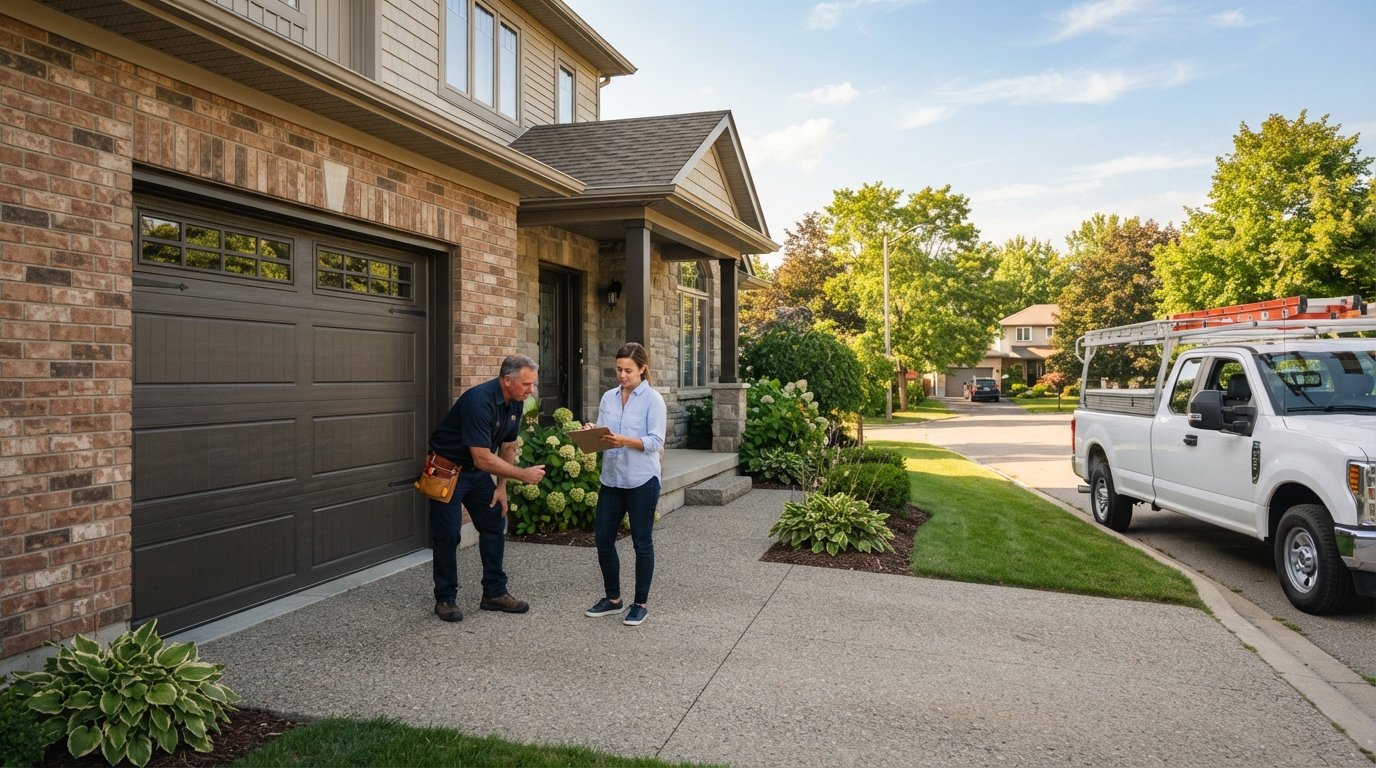
Average Cost to Replace a Garage Door and ROI in 2026
The average cost to replace a garage door and ROI often reaches 85 to 102 percent, making it one of the strongest exterior upgrades for resale value.

By Liam Weston
Learn more about Garage Door Installation or Replacement for guides, costs, and what to expect.
Compare Garage Door Installation or Replacement Pros Near You

Enter your ZIP code to compare top-rated local professionals and request free quotes.
A garage door is more than a functional entry point. It is a dominant visual feature that can consume up to 30 percent of a home's exterior facade. When that door starts to sag, squeal, or look dated, it drags down curb appeal and can even signal neglect to potential buyers. For homeowners weighing whether to repair or replace, the financial question is straightforward: what is the average cost to replace a garage door and what return on investment can you realistically expect? The answers matter because this single project often delivers one of the highest paybacks of any exterior upgrade, yet costs vary widely based on material, size, insulation, and local labor rates. Understanding the numbers helps you plan with confidence, avoid surprise bills, and make a choice that supports both daily function and long term property value.
What Drives the Average Cost to Replace a Garage Door
National cost data for 2026 places a typical single car garage door replacement between $750 and $2,500, with a double car door ranging from $1,200 to $4,500. The national average for a standard insulated double door, including professional installation and removal of the old unit, lands near $2,300. That figure is a useful starting point, but it is not a quote. Several variables push the final price up or down, and knowing them prevents unpleasant surprises when you request estimates.
Material choice is the single largest cost driver. Steel doors dominate the market because they balance durability and price. Aluminum and fiberglass offer lighter weight and resistance to rust, while wood and composite doors deliver premium curb appeal at a premium cost. Insulation levels, window inserts, decorative hardware, and custom sizing each add to the base price. Labor also varies by region: dense metropolitan areas with higher living costs typically charge more per hour than rural markets, and older homes may require extra framing or header repairs once the old door comes down.
Here is how the most common materials compare for a standard double car door, installed:
- Steel: $1,200 to $2,800. Durable, low maintenance, and available in many colors and finishes.
- Aluminum: $1,500 to $3,200. Lightweight and rust resistant, ideal for humid climates.
- Fiberglass: $1,800 to $3,800. Resists dents and moisture, often used with wood grain textures.
- Wood: $3,000 to $7,000 or more. Premium appearance that requires periodic sealing and painting.
- Composite: $2,500 to $5,500. Mimics wood without the maintenance, good for high end looks.
Beyond the door itself, the opener is a separate line item. If your existing opener is more than ten years old, it may not be compatible with a new door's weight or safety sensors. A new belt drive or smart opener with battery backup typically adds $250 to $600 installed. Torsion spring replacement, track alignment, and weather stripping are smaller costs that can still add a few hundred dollars if they are needed at the same time.
Garage Door Replacement ROI: What the Numbers Show
Among all home improvement projects, garage door replacement consistently ranks near the top for cost recovery at resale. National remodeling impact studies for 2026 report an average ROI between 85 and 102 percent, depending on the market and the door selected. In practical terms, that means a $2,300 investment might add roughly $2,000 to $2,350 to your home's resale value. Few exterior projects match that payback. A new roof or siding replacement may recover 60 to 70 percent, and a major kitchen remodel often recovers less than 60 percent.
Why does this project perform so well? Curb appeal. Real estate agents know that buyers form an opinion within seconds of pulling into the driveway. A crisp, modern garage door signals that the home has been maintained, which raises perceived value across the entire property. The effect is amplified when the door color and style complement the entryway and siding. Unlike a swimming pool or a highly personalized renovation, a garage door appeals to nearly every buyer demographic, from first time purchasers to downsizers.
ROI also depends on how well the new door fits the home. A mid range steel door with insulated panels and simple windows will usually outperform an ornate custom wood door that overshoots the neighborhood standard. Over improving can dilute returns because buyers in a given price bracket expect a certain level of finish, not the most expensive option available. The smartest approach is to match the door to the home's architecture and the surrounding market, then let the payback follow.
For homeowners who plan to stay in place for several years, ROI takes a second form: energy savings. An insulated garage door reduces heat transfer between the garage and the living space, which can lower heating and cooling costs, especially if a bedroom or bonus room sits above the garage. The door also protects stored items from temperature swings and moisture. Those benefits do not show up in a resale calculation, but they improve comfort and reduce utility bills month after month.
How to Plan and Budget for a Garage Door Replacement
Planning a replacement is not complicated, but it rewards homeowners who gather information before calling contractors. The first step is to measure the opening and note the existing door's size, material, and condition. Then decide whether you want to change the door style or simply replace like with like. Changing from a single door to a double door, or adding windows where none existed, expands the scope and the cost. Once you have a clear vision, request at least three written estimates that break down the door, the opener, labor, disposal of the old unit, and any structural work.
A practical sequence keeps the project on track:
- Measure the opening and photograph the existing door and tracks.
- Set a budget range that includes a 10 to 15 percent contingency for hidden damage.
- Gather three or more estimates from licensed, insured local contractors.
- Compare warranties on the door, the hardware, and the installation labor.
- Schedule installation for mild weather and confirm the disposal plan for the old door.
That contingency matters more than many homeowners expect. Once the old door is removed, it is common to find rotted framing, bent tracks, or a failing header. Repairing those issues before installing the new door prevents premature wear and voids fewer warranties. A contractor who inspects the opening during the estimate can flag these risks early, which is one reason hiring an experienced professional matters more than chasing the lowest bid.
Financing is another planning lever. Some homeowners pay cash, while others use a home equity line or a contractor offered payment plan. Because the project is relatively small compared with a kitchen or bath remodel, many homeowners time it alongside other exterior work, such as painting or roof replacement planning, to reduce mobilization costs and take advantage of a single contractor visit. Bundling projects can sometimes earn a modest discount, though each trade should still be priced separately so you can compare bids fairly.
Repair or Replace: Making the Right Call
Not every problem requires a full replacement. A door that is noisy, sticks, or opens unevenly may only need new rollers, springs, or track adjustment. Those repairs typically cost $150 to $500 and can extend the door's life by several years. Replacement makes more sense when the door has structural damage, widespread rust, cracked panels, or a failing opener that is no longer compatible with modern safety features. Age is a factor too: most steel doors last 15 to 20 years, while wood doors may need replacement sooner if they have not been maintained.
Safety should weigh heavily in the decision. Older openers may lack photoelectric sensors or auto reverse functions, which are required on all openers manufactured after 1993. A door that falls unexpectedly or fails to reverse can injure a child or pet. If your door shows any of those warning signs, replacement is not just a cosmetic upgrade, it is a safety improvement. Modern doors also come with better insulation, quieter operation, and smart connectivity that lets you monitor and control the door from a phone.
From a financial standpoint, the breakeven point often falls around the ten to fifteen year mark. If your current door is younger than that and the damage is limited to hardware, repair usually wins. If the door is older, visibly worn, or out of step with the home's style, replacement delivers better long term value and a stronger return at resale. Homeowners who are unsure can ask a contractor to assess the door during a free estimate, which removes guesswork and provides a clear comparison of repair versus replace costs.
Finding a Qualified Garage Door Contractor
Because installation quality determines how well the door performs and how long it lasts, choosing the right contractor is as important as choosing the right door. Look for companies that are licensed, carry liability insurance and workers compensation, and provide written warranties covering both materials and labor. Ask how long the crew has been installing doors, whether they are employees or subcontractors, and what happens if a spring fails within the first year. A reputable contractor will answer these questions without hesitation and will put the warranty terms in writing.
It also helps to work with a platform that connects homeowners to vetted local professionals. When you request free estimates through a trusted matching service, you can compare multiple quotes side by side, verify credentials, and choose the pro who best fits your budget and timeline. That process reduces the risk of hiring an unqualified installer and helps you avoid the surprise bills that come from hidden damage or incomplete work. For homeowners planning broader improvements, the same approach applies to roofing, siding, and interior projects, and it pays to start with a clear plan and a realistic budget.
Before signing, confirm the scope in writing. The contract should list the door model and size, the opener model if included, the installation date, the disposal method for the old door, and the total price with no vague allowances. Never pay the full amount upfront. A deposit of 10 to 30 percent is standard, with the balance due after the door is installed, tested, and balanced. If a contractor demands full payment before starting, treat that as a warning sign and keep looking.
Maximizing Your Return on a Garage Door Upgrade
The highest ROI comes from treating the garage door as part of a coordinated exterior package. Paint the trim to match the door, replace worn weather stripping, and add exterior lighting that highlights the entry. These small touches cost little but amplify the visual impact of the new door. If you are preparing to sell, complete the replacement at least a few months before listing so the door has time to settle and any minor adjustments can be made under warranty.
Keep your documentation. Receipts, warranty cards, and before and after photos help demonstrate the upgrade to appraisers and buyers. In some markets, a documented garage door replacement can support a higher list price and shorten time on market. Even if you are not selling soon, the records make future maintenance easier and preserve the value of the investment.
Finally, think about long term operating costs. A well insulated door with a modern opener uses less energy and requires fewer repairs than an older, heavier unit. That reliability is worth something, especially when you consider that a failed spring or opener can strand your car at the worst possible moment. When you weigh the average cost to replace a garage door and ROI together, the project often pays for itself twice: once at resale and again through daily convenience and lower utility bills.
Whether you are upgrading for comfort, safety, or resale value, the key is to plan carefully, compare estimates, and hire a qualified professional. With the right door and a skilled installer, this modest project can deliver one of the strongest financial returns in home improvement, while making your home safer and more attractive from the moment you pull into the driveway. HomeRemodelingsContractors