
Summer Home Maintenance for Energy Efficiency
Cut cooling costs with smart summer home maintenance for energy efficiency, from HVAC tune-ups to sealing leaks and shading windows.

By Zoe Harper
Learn more about Weatherization for guides, costs, and what to expect.
Compare Weatherization Pros Near You

Enter your ZIP code to compare top-rated local professionals and request free quotes.
Summer heat can quietly drive up your utility bills, but a few strategic upgrades can keep your home cooler and your wallet fuller. Most homeowners overlook simple maintenance tasks that have a big impact on energy use. By focusing on your cooling system, insulation, and daily habits, you can cut costs without sacrificing comfort. This guide walks through practical steps to prepare your home for the hottest months, with an eye on long-term savings and sustainability.
Why Summer Is the Right Time for Energy Upgrades
Summer is not just for vacations and backyard barbecues. It is the season when your air conditioner works hardest, and that effort shows up in your monthly bills. According to the U.S. Department of Energy, cooling accounts for about 6% of the average home's energy use, but in warmer climates, that number can jump to 27% or more. By tackling maintenance now, you prevent small issues from becoming expensive repairs later, and you reduce the strain on your HVAC system during peak demand.
Another reason to act now is the simple math of prevention. A well-maintained system runs more efficiently, which means lower energy consumption and fewer breakdowns on the hottest days. Plus, many utility companies offer rebates for energy-efficient upgrades, making summer the perfect time to invest. Whether you are a new homeowner or a seasoned pro, a little effort now pays off all season long.
Start with Your HVAC System
Your air conditioner is the heart of summer comfort, and it deserves the most attention. Begin by replacing or cleaning the air filter. A dirty filter restricts airflow, making your system work harder and consume more energy. Check it monthly during peak use and replace it every one to three months, depending on the filter type and your home's dust levels.
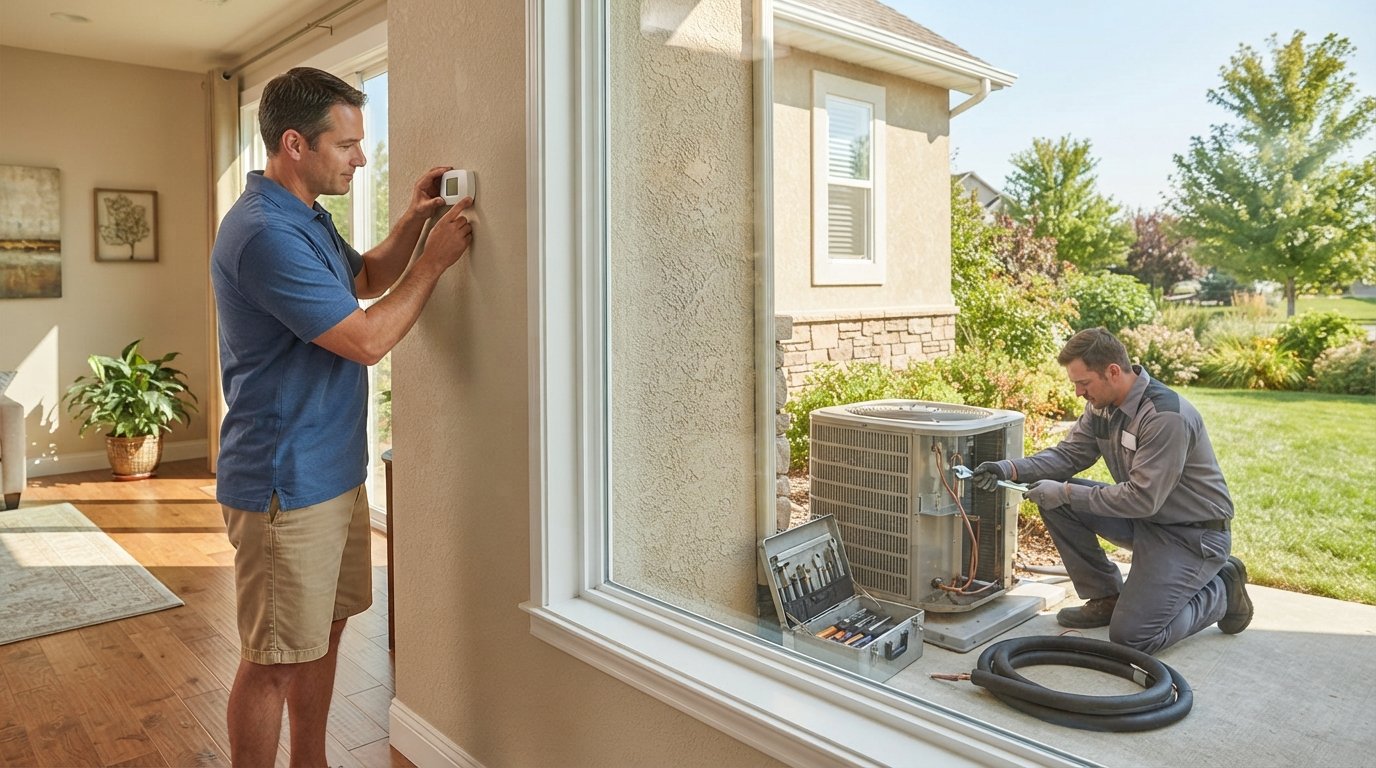
Next, schedule a professional tune-up. A licensed technician can check refrigerant levels, inspect the condenser coils, and ensure the thermostat is calibrated correctly. This annual service not only improves efficiency by up to 15% but also extends the lifespan of your unit. Many local contractors offer seasonal maintenance packages, and some even provide discounts for early bookings.
Do not forget the outdoor unit. Clear away debris, leaves, and overgrown plants that can block airflow. Keep at least two feet of clearance around the condenser. If your unit is more than 10 years old, consider upgrading to a high-efficiency model. Modern systems use 20% to 40% less energy than older ones, and the savings can offset the initial cost over time.
Smart Thermostats: A Small Upgrade with Big Returns
One of the easiest energy-saving upgrades is a programmable or smart thermostat. These devices learn your schedule and adjust temperatures automatically, so you are not cooling an empty house. Set your thermostat to 78°F when you are home and raise it by 7 to 10 degrees while you are away. This simple change can save you up to 10% on cooling costs annually.
Smart thermostats also provide detailed energy reports, helping you identify patterns and adjust habits. Many models are compatible with voice assistants and smartphone apps, giving you remote control from anywhere. While the upfront cost is around $100 to $250, most homeowners recoup the investment within two years through lower utility bills. Check with your energy provider for rebates that can reduce the price further.
Seal and Insulate for Maximum Efficiency
Cool air can escape through tiny gaps and poorly insulated areas, forcing your AC to work overtime. Walk around your home and feel for drafts around windows, doors, and electrical outlets. Use weatherstripping and caulk to seal these leaks. This is a low-cost fix that can save 5% to 10% on energy bills.
Attic insulation is another critical component. Heat rises, and without proper insulation, it radiates into your living spaces. Check that your attic has at least R-38 insulation (about 10 to 14 inches of fiberglass or cellulose). If it is older or compressed, add a layer. This project often pays for itself within a few years through reduced cooling and heating costs.
Do not overlook ductwork. Leaky ducts can lose up to 30% of cooled air before it reaches your rooms. Seal visible gaps with mastic tape and insulate ducts in unconditioned spaces like the attic or crawlspace. A professional duct test can identify hidden leaks, but a visual inspection is a good start. For a deeper dive into preparing your home for seasonal changes, check out our fall home maintenance checklist for year-round tips.
Optimize Windows and Shading
Windows are a major source of heat gain. Direct sunlight streams through glass and warms your home, causing your AC to work harder. Install window treatments like blackout curtains, cellular shades, or reflective films. These can block up to 75% of solar heat, reducing cooling needs significantly.
For a more permanent solution, consider exterior shading. Awnings, pergolas, or strategically planted trees can shade windows and walls. Deciduous trees planted on the south and west sides provide shade in summer while allowing sunlight in winter when they lose their leaves. This natural approach is both effective and aesthetically pleasing.
If your windows are single-pane, consider upgrading to double-pane or low-emissivity (low-E) models. These are more expensive, but they offer better insulation and reduce UV damage to furniture. In the meantime, use reflective film on south-facing windows to cut heat gain by up to 50%.
Improve Ventilation and Airflow
Good ventilation helps your home feel cooler without over-relying on air conditioning. Use ceiling fans to circulate air, which creates a wind-chill effect that makes you feel cooler. Remember to turn them off when you leave the room, as fans cool people, not spaces.
Run exhaust fans in the kitchen and bathroom to remove heat and humidity. Cooking and showering generate moisture and warmth, so venting them outside prevents your AC from working overtime. In the evenings, open windows and use window fans to draw in cooler night air. This natural ventilation can give your AC a break and reduce energy use.
Consider a whole-house fan if you live in a dry climate. These systems pull cool air through the house and exhaust hot air through the attic. They are most effective in the evening and morning when outdoor temperatures drop. Installation costs vary, but the energy savings can be substantial over a hot summer.
Maintain Your Refrigerator and Appliances
Your refrigerator runs 24/7 and can account for up to 15% of home energy use. Clean the condenser coils, usually located at the bottom or back, every six months. Dust build-up makes the compressor work harder. Also, check the door seals; a worn gasket allows cold air to escape. Place a dollar bill in the door and close it; if it slides out easily, replace the seal.
Other appliances also contribute to heat and energy. Use your dishwasher and washing machine only with full loads, and choose cold water when possible. Air-dry dishes and clothes to reduce heat and moisture. Unplug electronics and chargers when not in use, as they draw phantom power. Even in standby mode, these devices consume energy, so use power strips to easily switch them off.
When replacing appliances, look for the ENERGY STAR label. These models meet strict efficiency guidelines and can reduce energy use by 10% to 50%. While the initial cost may be higher, the long-term savings justify the investment.
Landscaping for Energy Savings
Your yard can be a natural ally in keeping your home cool. Plant trees, shrubs, and vines strategically to shade your home and reduce heat absorption. A well-placed tree can save up to 25% on cooling costs. Grass and ground cover also help by reflecting heat rather than absorbing it like pavement or bare soil.
Use mulch around plants to retain soil moisture and keep the ground cooler. This reduces the heat that radiates toward your home. Also, consider a rain barrel to collect water for irrigation, which reduces your water bill and helps maintain your plants during dry spells.
For a more immediate impact, install reflective roofing materials. Cool roofs reflect more sunlight and absorb less heat, keeping your attic and upper floors cooler. This is especially beneficial in hot climates. If you are re-roofing, ask your contractor about ENERGY STAR-rated options.
Monitor Your Energy Usage
Tracking your energy consumption helps you see where you can improve. Most utility companies provide online dashboards with hourly usage data. Use this information to identify peak usage times and adjust your habits accordingly. For example, run major appliances during off-peak hours if your utility offers time-of-use rates.
An energy audit is another valuable tool. Many utilities offer free or discounted audits, where a professional uses blower doors and infrared cameras to find leaks and inefficiencies. You can also do a simple DIY audit by walking through your home with a candle or incense stick to detect drafts. Seal these areas with caulk or weatherstripping.
Finally, review your electricity bill for any unexpected spikes. If you notice a sudden increase, it may indicate a problem with your HVAC system or an appliance. Early detection can save you from costly repairs. For help with larger projects, consider reaching out to HomeRemodelingsContractors, a resource for finding experienced local pros who can handle upgrades like insulation, window replacement, or HVAC installation.
Budget-Friendly and Long-Term Wins
Energy efficiency does not have to be expensive. Many of the steps above are low-cost or even free. Here are some key takeaways to guide your efforts:
- Replace air filters monthly and schedule an annual HVAC tune-up.
- Seal drafts with caulk and weatherstripping to stop air leaks.
- Use ceiling fans and natural ventilation to reduce AC reliance.
- Install a programmable thermostat and set it to 78°F when home.
- Add reflective window film or shades to block solar heat.
For larger investments, prioritize projects that offer the best return. Insulation and duct sealing typically have a payback period of two to five years. Window replacements and cool roofs take longer but add significant value to your home. Always check for rebates and tax credits, which can reduce the upfront cost by 10% to 30%.
Remember, the goal is not just to save money. It is also to reduce your environmental footprint and create a comfortable living space. By taking a proactive approach to summer home maintenance for energy efficiency, you enjoy peace of mind and a more sustainable lifestyle.
Start with one or two tasks this weekend. As you see the savings on your next utility bill, you will be motivated to tackle more. And if you need professional help, use a trusted platform to compare quotes and choose the right contractor. With careful planning and a little effort, you can keep your home cool, your energy bills low, and your summer stress-free.