
Fall Home Maintenance Checklist for Winter Prep
Get your home winter-ready with this practical fall home maintenance checklist for winter. Save money on energy bills, prevent costly repairs, and stay cozy.

By Liam Weston
Learn more about Weatherization for guides, costs, and what to expect.
Compare Weatherization Pros Near You

Enter your ZIP code to compare top-rated local professionals and request free quotes.
As the leaves change and the air turns crisp, the urge to cozy up indoors grows stronger. But before you settle in for the season, there is a critical window of opportunity: fall. This is the time to prepare your home for the harsh realities of winter, and a well-executed fall home maintenance checklist for winter can save you thousands of dollars in emergency repairs and energy costs. Think of it as an insurance policy for your peace of mind, ensuring that when the first snowflake falls, your home is ready to weather the storm. In this comprehensive guide, we will walk you through every essential task, from the roof down to the basement, so you can enjoy a warm, safe, and efficient winter.
Why a Fall Home Maintenance Checklist for Winter is Non-Negotiable
Skipping seasonal maintenance is a gamble that rarely pays off. Winter is unforgiving, and small issues left unaddressed in October can become major disasters by January. A frozen pipe can burst and flood your basement, an inefficient furnace can drive your energy bills through the roof, and ice dams can cause significant damage to your roof and ceilings. The National Association of Home Builders estimates that routine maintenance can prevent up to 90% of emergency repair costs. By investing a few weekends in the fall, you are not just protecting your property; you are protecting your budget and your family's comfort.
Moreover, a proactive approach gives you control. You can shop around for the best prices on materials and schedule contractors at your convenience, rather than being forced into expensive emergency calls during a cold snap. This is the time to connect with local professionals for tasks like chimney cleaning or HVAC servicing. For a stress-free project plan, consider reviewing our home remodel planning steps to understand how to sequence larger projects efficiently. The goal is to make your home a fortress against the cold, and it all starts with a systematic walkthrough.
The Exterior Fortress: Protecting Your Home's Shell
Your home's exterior is the first line of defense against wind, snow, and ice. Begin by inspecting your roof from the ground with a pair of binoculars. Look for missing, cracked, or curling shingles. These are vulnerable points where water can seep in and cause rot or leaks. If you spot any issues, or if your roof is older than 15 years, it's wise to have a professional roofer conduct a more thorough inspection. A small repair now is far cheaper than a full roof replacement after a leak has damaged your insulation and drywall.
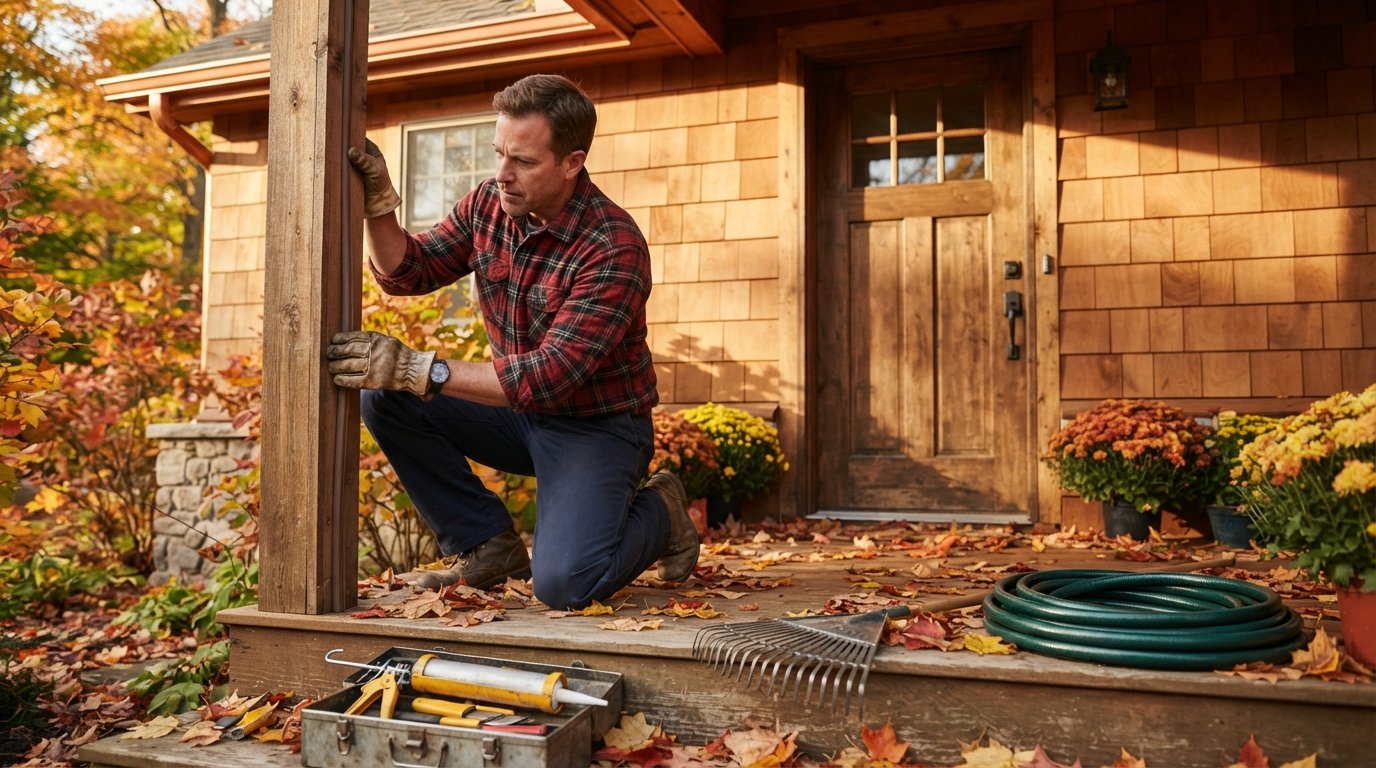
Next, clean your gutters and downspouts thoroughly. Clogged gutters are a leading cause of ice dams, which occur when melted snow refreezes at the roof's edge, pushing water back under the shingles. Remove leaves, twigs, and debris, and ensure that downspouts direct water at least five feet away from your foundation. Consider installing gutter guards to minimize future maintenance. Also, inspect the caulking and weatherstripping around all windows and doors. Look for gaps, cracks, or deteriorated seals. You can do a simple test: close a door or window on a piece of paper. If you can pull the paper out without resistance, you have a draft. Seal these gaps with fresh caulk or weatherstripping to keep warm air in and cold air out.
- Roof Inspection: Check for damaged or missing shingles from the ground or with a professional.
- Gutter Cleaning: Remove all debris and ensure downspouts are clear and properly directed.
- Seal Gaps: Replace caulking and weatherstripping around windows and doors to stop drafts.
- Trim Trees: Cut back any branches that hang over your roof or near power lines, as heavy snow or ice can cause them to break and cause damage.
After addressing these key areas, take a walk around your property to inspect the grading. The ground should slope away from your foundation to prevent water from pooling and seeping into your basement. If you notice low spots, add topsoil to correct the slope. Also, disconnect and drain all outdoor hoses, and shut off the water supply to exterior spigots to prevent them from freezing and bursting. Consider installing insulated covers on outdoor faucets for an extra layer of protection.
HVAC and Indoor Systems: The Heart of Your Home
Your heating system works harder during winter than any other appliance, so it deserves special attention. Schedule a professional HVAC inspection and tune-up before the cold weather arrives. A technician will clean the system, check for gas leaks, ensure proper airflow, and replace the filters. This not only prevents breakdowns but also improves efficiency, potentially saving you 5% to 15% on your heating bills.
Replace your furnace filters yourself every one to three months, depending on the type of filter and your home's air quality. A dirty filter restricts airflow, making your system work harder and potentially leading to overheating and failure. While you are at it, test your carbon monoxide and smoke detectors. Replace batteries and ensure all units are working correctly. The risk of carbon monoxide poisoning increases in winter when windows are sealed and heating systems run constantly. Also, inspect your chimney and fireplace if you have one. Creosote buildup can cause chimney fires, so have it professionally cleaned and inspected to ensure it is safe to use.
For homes with a heat pump, clear any debris from the outdoor unit and ensure it is level. For those with radiator heating, bleed the radiators to release trapped air, which can prevent them from heating efficiently. Finally, consider a smart thermostat if you don't already have one. It can learn your schedule and automatically adjust the temperature, saving energy while keeping you comfortable. If you're planning larger upgrades, like a new HVAC system or insulation, consulting with a contractor can help you budget and choose the most cost-effective options. Many homeowners find that pairing a new furnace with better insulation maximizes their return on investment.
Plumbing and Water Damage Prevention
Frozen pipes are one of the most common and costly winter home emergencies. A single burst pipe can cause over $5,000 in water damage. To prevent this, start by insulating any pipes in unheated areas, such as the basement, attic, garage, and crawl spaces. Use foam pipe insulation sleeves, and focus on areas where pipes run against exterior walls. For extreme cold snaps, you can let a trickle of water run from faucets connected to vulnerable pipes, as moving water is less likely to freeze.
Locate your main water shut-off valve and make sure it is easily accessible and functional. If you plan to be away from home for an extended period during the winter, consider turning off the main water supply and draining the system to avoid any risk of freezing. In addition, ensure your well pump and pressure tank (if you have a well) are properly insulated and protected from the cold.
Another critical step is to inspect and maintain your sump pump. If you have a basement, the sump pump is your first defense against flooding. Test it by pouring a bucket of water into the sump pit to ensure it activates and drains properly. Clean the pit of any debris, and consider installing a battery backup system to keep the pump working during a power outage, which is common during winter storms. Also, check the discharge line to ensure it is not frozen or clogged and that it directs water away from your foundation. If you have a septic system, have it inspected and pumped before the ground freezes to prevent backups during the winter months.
Interior Comfort and Energy Efficiency
While the outside takes the brunt of the weather, the inside of your home needs attention to stay warm and efficient. Start with a simple energy audit. Hold a lit incense stick or a candle near windows, doors, and electrical outlets. If the flame flickers, you have a draft. Seal these leaks with caulk or weatherstripping. Also, check your attic insulation. The recommended level for most climates is between R-38 and R-60. If your insulation is insufficient, add more to prevent heat from escaping through the roof. This is one of the most cost-effective ways to improve your home's energy efficiency.
Now is also the time to reverse your ceiling fan direction. Most fans have a switch that changes the blade direction. In winter, the blades should rotate clockwise at a low speed. This gentle updraft pushes warm air trapped near the ceiling back down into the living space, making your home feel warmer without raising the thermostat. Additionally, clean or replace your HVAC vents and registers to ensure unobstructed airflow. Move furniture and rugs away from vents to allow heat to circulate freely.
Beyond energy efficiency, consider the comfort of your living spaces. Have your carpets professionally cleaned to remove dust and allergens that accumulate during the warmer months. This improves indoor air quality, which is especially important when windows are shut. Also, inspect the weatherstripping on your garage door. A poorly sealed garage door can let cold air into the attached garage and potentially affect the temperature in adjacent rooms. If your garage is not heated, ensure that any water lines running through it are well insulated.
Outdoor Living and Equipment Storage
Your outdoor spaces and equipment also need to be winterized. Drain and store your garden hoses, and shut off the water supply to outdoor faucets. Clean and store your lawn furniture, either indoors or in a shed, to protect it from snow and ice. For grills, disconnect the propane tank and store it in a well-ventilated area away from your home. Give the grill a thorough cleaning and cover it with a weatherproof cover. If you have a lawnmower, drain the fuel or add a fuel stabilizer to prevent the carburetor from clogging during storage. Remove the battery and store it in a dry place. Also, clean and oil your other garden tools, such as shovels, pruners, and rakes, to prevent rust and keep them in good working order for spring.
If you have a swimming pool or hot tub, professional winterization is highly recommended. This involves draining water from the pump, filter, and lines, adding winterizing chemicals, and covering the pool. Improper winterization can lead to cracked pipes and equipment damage, which is a costly and disappointing surprise come spring. For those with an irrigation system, be sure to have it blown out by a professional to remove all water from the lines, preventing freeze damage.
Finally, don't forget about your driveway and walkways. Stock up on ice melt or sand, and ensure your snow shovel or snow blower is in good working condition. If you have a snow blower, change the oil and check the spark plug before the first snowfall. For your safety, consider having a professional inspect your driveway for cracks and seal them. Water that seeps into cracks and freezes can cause significant damage, leading to costly repairs in the spring.
Home Safety and Emergency Preparedness
Winter brings unique safety risks, so take the time to prepare a family emergency kit. This should include flashlights, batteries, a first-aid kit, bottled water, non-perishable food, and a battery-powered radio. In case of a power outage, have a plan for staying warm, such as a backup generator or a wood-burning fireplace. Never use a portable generator indoors, as they produce deadly carbon monoxide. If you use a space heater, ensure it has an automatic shut-off feature and keep it at least three feet away from any flammable materials.
Check your fire extinguishers to ensure they are fully charged and within their expiration date. Have a professional inspect and clean your chimney and fireplace to prevent creosote buildup. Also, review your home insurance policy to understand your coverage for winter-related damage, such as burst pipes or ice dams. Some policies have specific exclusions, so it's crucial to know what is and isn't covered. If you are planning any major home improvements, like a new roof or furnace, check with your insurance provider to see if it affects your premiums. For more ideas on budget-friendly upgrades that add value, you can explore resources like HomeRemodelingsContractors, which offers practical advice for planning affordable projects.
Creating a comprehensive fall home maintenance checklist for winter and executing it diligently is one of the smartest investments you can make as a homeowner. Not only does it prevent costly emergencies, but it also preserves the value of your home, improves energy efficiency, and ensures the safety and comfort of your family. By tackling these tasks in the fall, you can move into winter with confidence, knowing you have done everything possible to protect your most significant asset.
As you work through your checklist, remember that some tasks are best left to professionals. Whether it's a roof inspection, chimney cleaning, or HVAC tune-up, hiring a qualified expert can provide peace of mind and ensure the job is done correctly. Use trusted contractor networks like BuySellRemodel to find vetted local professionals who can help you with these essential maintenance tasks. A little effort now can save you from a winter of discontent, leaving you free to enjoy the season's beauty from the warmth and safety of your home.