
Professional Mold Remediation Cost and Process for Homeowners
Professional mold remediation cost and process for homeowners explained, including pricing factors and insurance tips. Call 8333658755 for free estimates.

By Oliver Grant
Learn more about Mold Inspection and Removal for guides, costs, and what to expect.
Compare Mold Inspection and Removal Pros Near You

Enter your ZIP code to compare top-rated local professionals and request free quotes.
Discovering mold in your home is a stressful experience. Whether it is a small patch behind a bathroom vanity or a widespread infestation in a basement, the presence of mold raises immediate concerns about health, structural integrity, and the cost of removal. While the urge to grab a bottle of bleach and scrub the visible spots is strong, mold is often a symptom of a deeper moisture problem that requires professional intervention. Understanding the professional mold remediation cost and process for homeowners is the first step toward restoring a safe living environment. This guide breaks down what you can expect to pay, how the remediation process works, and how to find qualified experts to handle the job safely.
Understanding the True Cost of Professional Mold Remediation
The cost of mold remediation is not a one-size-fits-all number. It varies significantly based on the extent of the infestation, the type of mold present, and the location of the growth. For homeowners, the national average for professional mold removal ranges from $1,500 to $3,500, but costs can easily exceed $10,000 for severe cases involving crawlspaces, attics, or HVAC systems. It is crucial to view this expense not just as a cleaning bill, but as a necessary repair to protect your property value and your family's health.
Several factors dictate the final price tag. The primary driver is the square footage affected. A small area under 10 square feet might cost a few hundred dollars, while an area exceeding 100 square feet requires containment, specialized equipment, and potentially the removal of drywall or insulation. The type of mold also matters; while many common molds like Cladosporium are allergenic, toxic black mold (Stachybotrys chartarum) requires stricter safety protocols and disposal methods, which increases labor costs. Location is another major cost multiplier. Mold in a readily accessible area is cheaper to treat than mold hidden behind walls, under flooring, or inside an HVAC duct system.
To give you a clearer picture of how pricing breaks down, consider these common cost factors:
- Inspection and Testing: $300 to $600. This includes air quality testing and surface sampling to identify the mold type and spore count.
- Containment and Air Filtration: $500 to $1,500. Setting up plastic barriers and HEPA air scrubbers to prevent spores from spreading to clean areas.
- Material Removal and Disposal: $500 to $2,000+. Porous materials like drywall, carpet, and insulation that are infested must be removed and disposed of in sealed bags.
- Cleaning and Sanitizing: $1,000 to $3,000. Applying antimicrobial treatments and physically scrubbing structural components.
- Repairs and Restoration: Variable. Replacing drywall, painting, and installing new flooring after the mold is gone.
It is important to note that remediation costs often do not include the source of the moisture. If you have a leaky roof or a burst pipe, you will need to hire a plumber or roofer to fix that issue first. If you skip this step, the mold will simply return. When planning your budget, always set aside a contingency fund for these related repairs. For homeowners looking to manage these costs and find reliable help, platforms like HomeRemodelingsContractors can connect you with local professionals who understand the urgency of water damage and mold issues.
Step-by-Step: The Professional Remediation Process
Professional mold remediation is a science, not a cleaning chore. The goal is not just to kill the mold, but to remove it physically and correct the moisture conditions that allowed it to grow. The process follows strict guidelines set by organizations like the IICRC (Institute of Inspection, Cleaning and Restoration Certification). Understanding these steps helps you verify that your contractor is doing the job correctly.
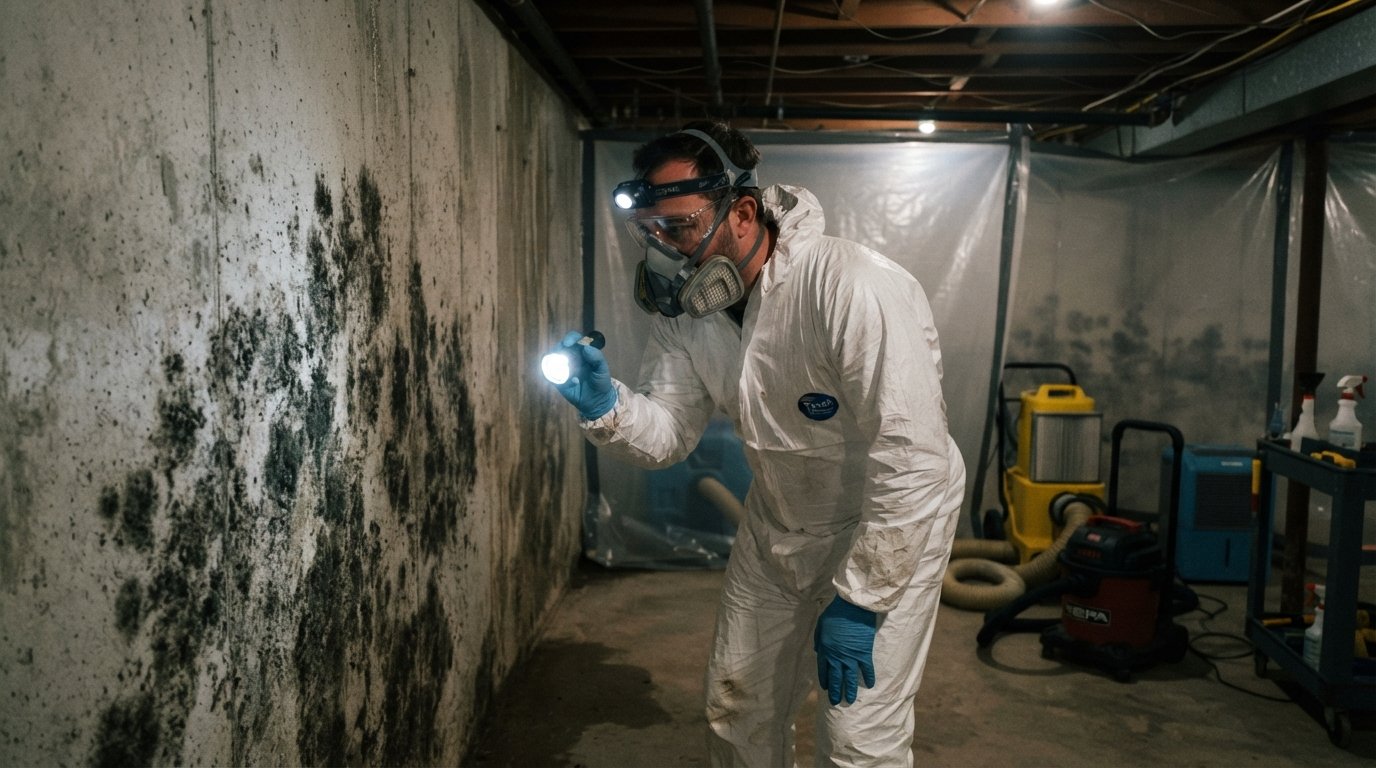
The process begins with a thorough inspection and assessment. A certified inspector will use moisture meters and thermal imaging cameras to detect hidden water sources and mold growth behind walls. They will also collect samples to determine the type of mold and the level of contamination. Once the scope of work is defined, the remediation team will establish containment. This involves sealing off the affected area with plastic sheeting and using negative air pressure machines to ensure that mold spores do not escape into other parts of your home during the removal process.
Once containment is set, the physical removal begins. This is the most labor-intensive part of the job. Technicians wearing personal protective equipment (PPE) will remove mold-infested materials. Porous items like drywall, insulation, and carpet are bagged and discarded. Non-porous surfaces like wood framing and concrete are HEPA-vacuumed and scrubbed with antimicrobial solutions. In some cases, they may use soda blasting or dry ice blasting to remove mold from tough surfaces without damaging them. After cleaning, the area is fogged with a biocide or antimicrobial agent to kill any remaining spores.
Finally, the clearance step involves a post-remediation verification test. An independent third-party inspector should perform this test to confirm that the mold has been successfully removed and that spore levels are back to normal. If the test passes, the containment is removed, and the restoration phase begins, which involves replacing the removed drywall, flooring, and insulation. Here is a quick rundown of the sequence:
- Inspection and Testing: Identify the mold and the moisture source.
- Containment: Isolate the affected area to prevent cross-contamination.
- Removal: Physically remove moldy materials and HEPA-vacuum surfaces.
- Cleaning and Sanitizing: Treat remaining surfaces with antimicrobial agents.
- Verification: Conduct clearance testing to ensure safety.
- Restoration: Repair and rebuild the affected areas.
Each of these steps is critical. Skipping the containment or verification phases can lead to recurring mold problems and unnecessary health risks. A reputable contractor will walk you through each stage and provide documentation of the work performed.
DIY vs. Professional Remediation: When to Call in the Experts
Many homeowners wonder if they can handle mold removal themselves to save money. The EPA (Environmental Protection Agency) provides clear guidelines on this. If the mold growth covers less than 10 square feet (roughly a 3-foot by 3-foot patch) and is on a non-porous surface, you can likely clean it yourself using a detergent and water solution. However, if the mold is larger than that, or if it is in a hard-to-reach place like inside an HVAC system or crawlspace, professional help is required.
The risks of DIY remediation are significant. Scrubbing mold without proper containment can release thousands of spores into the air, spreading the contamination to other rooms and causing respiratory issues for you and your family. Additionally, without proper drying equipment, the moisture problem remains, and the mold will return within weeks. Professionals have the training, equipment, and insurance to handle the job safely. They can also identify the source of the moisture, which is the only way to prevent future growth.
If you decide to hire a professional, look for a company that is licensed, insured, and certified by the IICRC. Ask for references and a detailed written estimate that includes the scope of work, the timeline, and the cost of testing and restoration. Be wary of contractors who offer to simply spray the mold with bleach or paint over it; this is a temporary fix that does not address the root cause. For homeowners who need help finding vetted contractors, using a service like BuySellRemodel can simplify the process. You can compare local pros, read reviews, and request free estimates to ensure you are getting a fair price for quality work.
Insurance Coverage and Financial Assistance
One of the most common questions homeowners have is whether insurance will cover mold remediation. The answer is often complicated. Most standard homeowners insurance policies cover mold remediation only if the mold is the result of a sudden and accidental event, such as a burst pipe or a storm-related roof leak. If the mold is caused by long-term neglect, poor maintenance, or flooding, the claim will likely be denied.
To maximize your chances of coverage, document everything. Take photos of the mold and the water damage, and keep records of any repairs you make. If you file a claim, your insurance company will send an adjuster to assess the damage. They may cover the cost of remediation and repairs up to your policy limits. However, it is important to review your policy carefully to understand your deductible and any exclusions for mold. In some cases, you may need to purchase a separate mold rider for additional coverage.
If insurance does not cover the cost, there are other options. Some homeowners use home equity loans or personal lines of credit to fund the project. Others may qualify for disaster assistance or grants if the mold is the result of a federally declared disaster. It is also worth getting quotes from multiple contractors to find the most affordable option without compromising on quality. You can call 8333658755 for free estimates and guidance on your specific situation.
Hiring the Right Contractor for the Job
Choosing the right mold remediation contractor is critical to the success of the project. A poorly executed job can leave behind spores that cause health problems and lead to costly rework. Start by asking for recommendations from friends, family, or real estate agents. You can also check online directories and review sites, but always verify credentials. Ensure the company has a valid state license, liability insurance, and workers' compensation insurance.
When you interview contractors, ask about their experience with mold remediation specifically. Not all general contractors are qualified to handle mold. Ask about their process, the equipment they use, and whether they conduct clearance testing. A good contractor will be transparent about the steps, the timeline, and the costs. They should also be willing to provide a written contract that details the scope of work, the materials to be used, and the payment schedule. Avoid paying for the entire job upfront; a standard deposit is usually 10 to 30 percent, with the balance due upon completion.
Finally, trust your instincts. If a contractor is vague, pressures you into a quick decision, or offers a price that seems too good to be true, walk away. Mold remediation is a serious investment in your home's health. Taking the time to find a reputable professional will save you money and stress in the long run. Whether you are dealing with a small leak or a major flood, addressing mold quickly and correctly is the best way to protect your home and your family.