
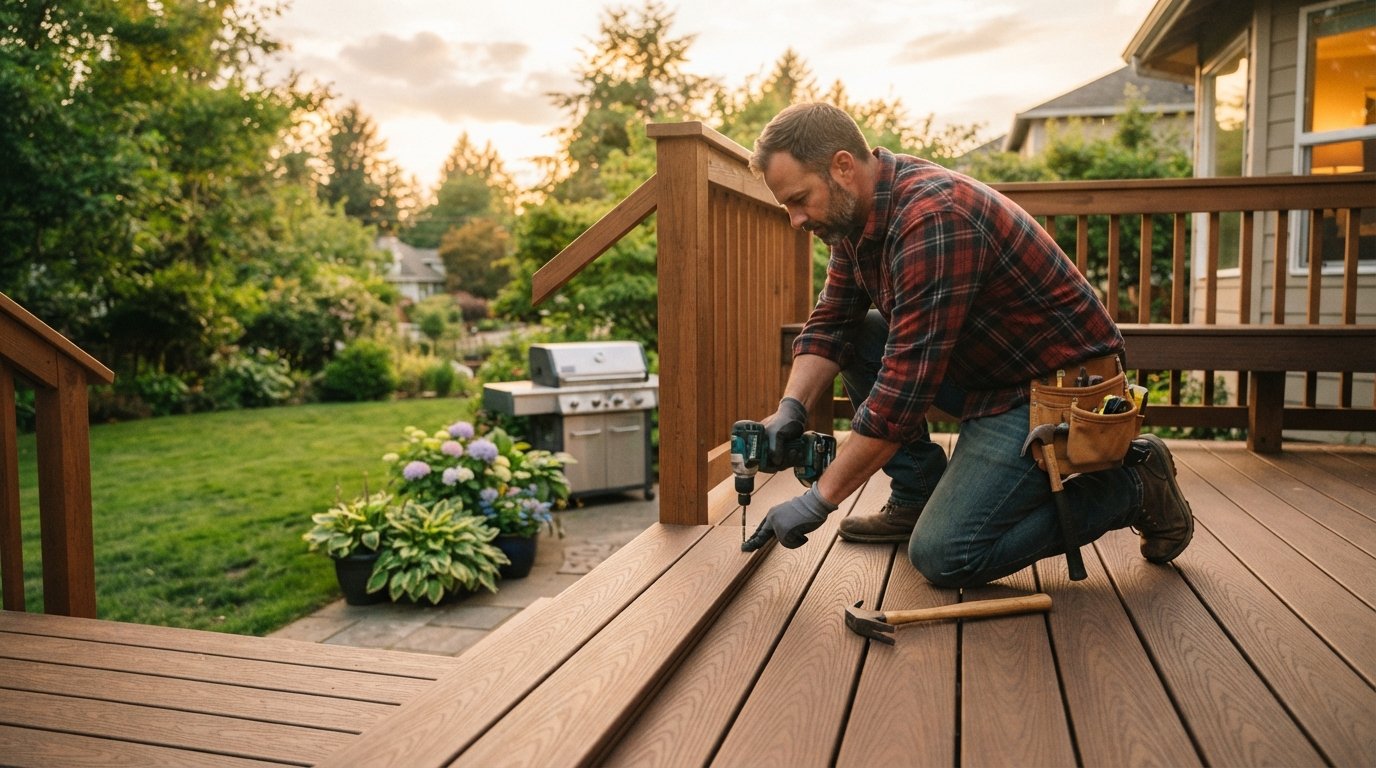
Deck Installation: Plan, Budget, and Hire Right
Plan a successful deck installation with this step-by-step guide covering materials, costs, and hiring tips for your dream outdoor space.

By Oliver Grant
Learn more about Deck or Porch Remodel or Addition for guides, costs, and what to expect.
Compare Deck or Porch Remodel or Addition Pros Near You

Enter your ZIP code to compare top-rated local professionals and request free quotes.
Standing in your backyard, you can already picture it: a sturdy deck where morning coffee tastes better, where summer dinners stretch into starry nights, and where the grill is never more than a few steps away. But between that vision and the reality of a finished deck lies a process with many decisions, some hefty price tags, and a fair amount of coordination. Whether you are dreaming of a simple platform or a multi-level outdoor living room, understanding how deck installation works is the first step to getting it right without blowing your budget.
This guide walks you through every phase of a deck project, from initial planning and material selection to hiring contractors and managing the build. You will learn what affects cost, how to avoid common mistakes, and how to ensure your new deck adds real value to your home. By the end, you will have a clear roadmap and the confidence to move forward, whether you choose to DIY or bring in a professional.
Why a New Deck Is Worth the Investment
A well-built deck does more than extend your living space; it transforms how you use your property. It gives you a designated spot for entertaining, a quiet corner for reading, and a safe play area for kids and pets. In many markets, a deck offers one of the best returns on investment among home improvements, often recouping a significant percentage of its cost when you sell. But the real payoff is everyday enjoyment, and that starts with a smart plan.
Before you get caught up in design inspiration, take a step back. A successful deck installation depends on three things: a solid plan, a realistic budget, and the right people for the job. Each of these elements influences the others, so you need to think about them together, not in sequence.
Step 1: Define Your Deck's Purpose and Size
Begin with the most important question: how will you actually use this deck? The answer shapes everything from dimensions to layout to material choices. A deck meant for quiet morning coffee needs little more than room for a bistro set. A deck designed for large family gatherings must accommodate seating, a dining table, and maybe a built-in grill station. If you love hosting, you might want a two-level deck with separate zones for cooking and lounging.
Once you know the primary function, think about traffic flow. Where will people enter and exit the house? Is there a natural path from the kitchen to the grill? Will you need stairs to the yard? These considerations prevent future frustration and costly modifications. Also, check local building codes early. Many municipalities require permits for decks above a certain height or size, and setback rules may limit how close you can build to property lines.
Sizing Your Deck for Comfort and Code
As a rule of thumb, a deck should feel proportional to your house and yard. A 12x12 foot deck suits a small patio door and a modest yard, while a 16x20 foot deck offers generous space for dining and lounging. If you plan to add a hot tub or outdoor kitchen, factor in the extra weight and structural support. Your contractor or a structural engineer can help you determine safe spans and footing sizes, but you should have a rough size in mind before you ask for estimates.
Step 2: Choose Deck Materials That Fit Your Life and Budget
Material selection is where many homeowners feel overwhelmed, and for good reason. The choices range from budget-friendly pressure-treated lumber to premium tropical hardwoods and low-maintenance composites. Each option has trade-offs in cost, appearance, durability, and upkeep. Your decision should balance your initial budget with how much time and money you are willing to spend on maintenance over the years.
Here is a quick comparison of the most common decking materials:
- Pressure-treated lumber: The most affordable option, typically $15 to $25 per square foot installed. It resists rot and insects but requires staining or sealing every couple of years.
- Cedar or redwood: Naturally beautiful and rot-resistant, but softer and more expensive than treated pine. Prices range from $25 to $35 per square foot installed.
- Composite decking: Made from wood fibers and recycled plastic, composites resist fading, staining, and mold. They cost $35 to $50 per square foot installed but need little more than soap and water to stay clean.
- PVC (vinyl) decking: Fully synthetic and highly durable, with a price tag of $40 to $60 per square foot installed. It is the most low-maintenance option but can get hot in direct sun.
- Aluminum decking: Extremely strong and fire-resistant, but expensive and less common for residential use. Expect to pay $50 or more per square foot installed.
While materials make up a large portion of your total cost, do not forget the structural components underneath. The framing, joists, posts, and footings are the backbone of your deck. Using high-quality, properly treated lumber here is non-negotiable, even if it means spending a bit more. A deck that looks great but is structurally unsound is a safety hazard and a liability.
Step 3: Set a Realistic Deck Installation Budget
Now that you have a sense of materials, it is time to talk numbers. The average cost to build a deck in the United States ranges from $8,000 to $22,000, with most homeowners spending around $15,000. However, your actual cost depends on size, materials, labor rates in your area, and the complexity of the design. A simple ground-level deck built with pressure-treated wood might cost as little as $5,000, while a large, multi-level composite deck with built-in seating and lighting can easily exceed $40,000.
To build a realistic budget, start by getting itemized quotes from at least three local contractors. Each quote should include materials, labor, permits, and any demolition of an existing structure. Be wary of bids that come in significantly lower than the others; they often cut corners on materials or labor. On the other hand, the most expensive bid is not always the best. Look for a contractor who explains the cost breakdown clearly and answers your questions patiently.
You should also set aside a contingency fund of 10 to 15 percent of your total budget. Unexpected issues, such as rotten framing discovered after removing an old deck or poor soil conditions requiring deeper footings, can arise once the work begins. Having that buffer means you will not have to compromise on quality if surprises occur.
Step 4: Decide Between DIY and Professional Installation
Some homeowners have the skills and time to build their own deck, and if you are one of them, a DIY project can save you a significant amount on labor. However, deck building is more complex than it looks. It requires precise leveling, knowledge of local building codes, and an understanding of structural loads. A mistake in the foundation or framing can lead to a dangerous collapse, not to mention costly repairs down the road.
For most people, hiring a professional is the safer and more practical choice. A experienced contractor handles permits, schedules inspections, and ensures the deck meets all safety standards. They also have the tools and crew to complete the job efficiently, often in a few days to a week, whereas a DIY project might stretch over several weekends. If you do decide to DIY, at the very least have a professional review your plans and inspect the finished structure before you host your first barbecue.
Step 5: Find and Vet the Right Deck Contractor
Choosing the right contractor is the most critical decision in your entire deck installation. A skilled pro will deliver a beautiful, safe deck that lasts for decades. A bad one can turn your project into a nightmare of delays, shoddy work, and legal disputes. So, how do you find the good ones?
Start by asking for recommendations from friends, neighbors, and local community groups. Then, take your search online. Platforms like BuySellRemodel connect homeowners with vetted local contractors who specialize in outdoor projects. These contractors have been screened for licensing, insurance, and customer satisfaction, which saves you the legwork of verifying credentials yourself. When you have a few candidates, interview each one and ask the following questions:
- How long have you been building decks, and can you provide references from recent projects?
- Are you licensed and insured, and will you pull the necessary permits?
- What is your timeline for this project, and how do you handle weather delays?
- Do you provide a written contract with a detailed scope of work and payment schedule?
- How do you handle changes or unexpected issues during the build?
Pay attention to how each contractor communicates. A professional who returns calls promptly, answers questions clearly, and provides a detailed written estimate is more likely to be reliable throughout the project. Do not automatically choose the lowest bid. Instead, weigh the contractor's experience, reputation, and the quality of materials they propose.
Step 6: Plan the Installation Process Step by Step
Once you have selected a contractor and signed the contract, the real work begins. Understanding the sequence of a typical deck installation helps you know what to expect and when to check in on progress. While every project is unique, most builds follow a similar pattern:
- Site preparation: The crew clears the area, marks utility lines, and removes any existing deck or debris.
- Footings and foundation: Holes are dug below the frost line, then filled with concrete and anchor brackets. This is the most critical structural step.
- Framing: Posts, beams, and joists are installed to create the skeleton of the deck. The frame must be square, level, and securely fastened.
- Decking boards: The surface boards are laid perpendicular to the joists, with proper spacing for drainage and expansion.
- Rails and stairs: Guardrails, balusters, and stair stringers are added and must meet code requirements for height and spacing.
- Finishing touches: Trim, skirting, lighting, and any built-in features like benches or planters are installed.
- Final inspection: The local building inspector reviews the deck to ensure code compliance, and then you are ready to enjoy.
Throughout the process, maintain open communication with your contractor. Ask for a schedule with milestones and check in at each one. If you notice something that looks off, speak up immediately. It is much easier to fix a problem during construction than after the deck is complete.
Step 7: Prepare Your Yard and Home for the Build
A deck installation is a construction project, and construction means disruption. Before the crew arrives, take some time to prepare your property. Move outdoor furniture, grills, and potted plants away from the work area. Cover or trim any landscaping that might be in the path of heavy equipment. If you have a security system or outdoor cameras, let your contractor know so they can work around them.
You should also think about how the crew will access the backyard. If you have a fence, discuss whether they need a gate or if they will bring materials through the house. Clear a path and protect your floors and carpets with drop cloths if they will be moving materials indoors. Finally, notify your neighbors about the upcoming work, especially if it will involve loud noise, dust, or equipment that might block a shared driveway.
Step 8: Know What Adds Value and What Doesn't
While a deck is a great addition to any home, not all deck features add the same value when it comes time to sell. A well-constructed, appropriately sized deck in good condition is a strong selling point. But overbuilding for your neighborhood or choosing overly exotic materials may not give you a full return on your investment. Real estate agents often say that a deck should complement the house and the surrounding homes, not stand out as the most expensive feature on the block.
If resale value is a priority, focus on timeless design and quality construction. Sticking with neutral colors and classic materials appeals to the widest range of buyers. Adding a few practical touches, like built-in lighting or a gas line for the grill, can make the deck more functional and attractive. On the other hand, a hot tub or elaborate outdoor kitchen may be too personalized and could actually deter some buyers who see them as maintenance burdens.
Maximize Your Investment with Ongoing Care
Once your new deck is installed, a little regular maintenance will keep it looking great and extend its lifespan. For wood decks, that means cleaning and sealing every one to three years, depending on the climate and the type of finish you use. Composite and PVC decks need less frequent care, but they still benefit from regular sweeping and occasional washing to prevent dirt buildup and mold. Inspect your deck each spring for loose boards, popped nails, or signs of rot, and address minor issues before they become major problems.
Proper maintenance not only protects your investment but also keeps your deck safe for family and guests. A well-cared-for deck can last 25 years or more, making it one of the smartest home improvements you can make.
Start Your Deck Project with Confidence
Bringing your dream deck to life is an exciting journey, and you now have a solid understanding of what it takes. From defining your needs and choosing materials to setting a budget and hiring the right contractor, each step is manageable when you approach it with knowledge and a clear plan. The key is to take your time, ask the right questions, and never rush into decisions that could affect your home's safety and value.
When you are ready to move forward, the easiest next step is to get free estimates from experienced local professionals. Platforms like BuySellRemodel make it simple to connect with vetted contractors who can bring your vision to life. With the right team in place, you will be enjoying your new outdoor space sooner than you think.
Learn more about Deck or Porch Remodel or Addition for guides, costs, and what to expect.
Compare Deck or Porch Remodel or Addition Pros Near You
Enter your ZIP code to compare top-rated local professionals and request free quotes.