
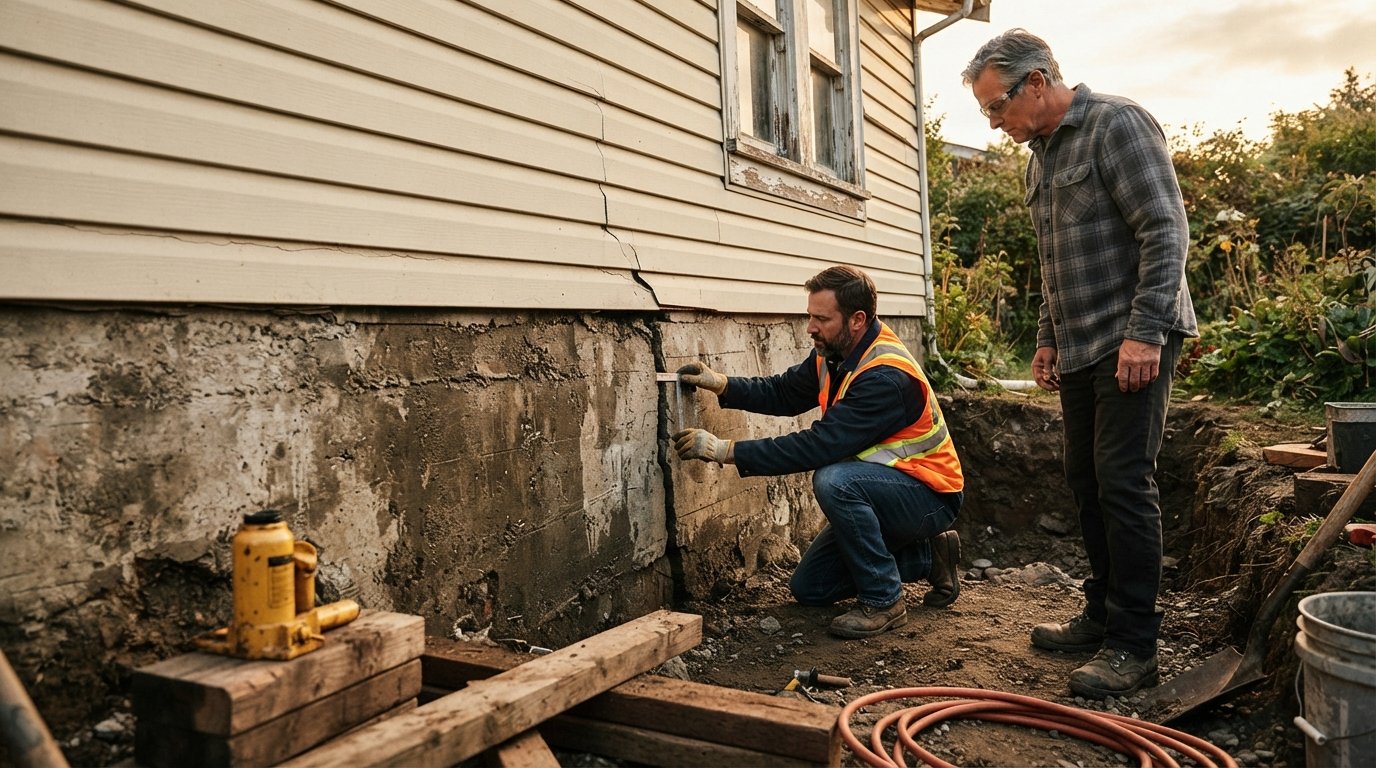
Foundation Repair Cost and Common Issues
Understand foundation repair cost and common issues to protect your home. Learn warning signs, repair methods, and how to budget smartly.

By Leo Cross
Learn more about Foundation Repair for guides, costs, and what to expect.
Compare Foundation Repair Pros Near You

Enter your ZIP code to compare top-rated local professionals and request free quotes.
Your home's foundation is its most critical structural element, yet it often goes unnoticed until a problem becomes impossible to ignore. Cracked walls, sticking doors, or sloping floors are not just cosmetic annoyances; they signal that your home's base is under stress. Understanding foundation repair cost and common issues is the first step toward protecting your most valuable asset. While the prospect of foundation work can feel overwhelming, knowing what to look for, what drives the price, and how to navigate the repair process can save you thousands of dollars and prevent minor issues from becoming major structural crises. This guide breaks down the real costs, the warning signs, and the smartest ways to approach foundation repair in 2026.
Foundation problems are more common than many homeowners realize, affecting a significant percentage of houses across the United States, particularly in regions with expansive clay soils or dramatic seasonal changes. The key is early detection and informed action. By the end of this article, you will have a clear picture of what to expect financially, how to choose the right repair method, and why comparing quotes from vetted professionals is essential. Let’s dig into the details.
What Determines Foundation Repair Cost?
Foundation repair cost is not a one-size-fits-all figure. It can range from as little as $500 for minor crack injections to over $100,000 for complete underpinning of a large home. The final number depends on a complex interplay of factors that a professional must evaluate during an on-site inspection. Understanding these variables before you get quotes will help you ask the right questions and avoid sticker shock.
The most significant cost drivers include the type and extent of the damage, the chosen repair method, the size of your home, and local labor rates. For example, fixing a single hairline crack with epoxy is a relatively inexpensive DIY or handyman job, whereas stabilizing a sinking corner with helical piers requires heavy equipment and significant engineering expertise. Geographic location also plays a role; areas with high living costs or limited foundation specialists will naturally see higher estimates. The table below outlines typical cost ranges for common repair scenarios in 2026, but always treat these as ballpark figures until a professional assesses your specific situation.
| Repair Scenario | Average Cost Range (2026) |
|---|---|
| Minor crack repair (epoxy or polyurethane injection) | $500 - $2,000 |
| Sealing multiple cracks or small leaks | $1,500 - $4,000 |
| Installation of carbon fiber strips for bowing walls | $3,000 - $8,000 per wall |
| Piering / underpinning (for settling foundations) | $1,000 - $3,000 per pier (usually 6-10 piers needed) |
| Slab jacking (for sunken concrete slabs) | $500 - $1,500 per slab section |
| Complete structural rebuild (rare) | $50,000 - $100,000+ |
To get a precise estimate, you need a professional inspection. Most reputable companies offer free, no-obligation assessments. During this inspection, they will measure cracks, check for levelness, assess soil conditions, and recommend a specific course of action. This is the only way to get a reliable number, and it is exactly the kind of service that platforms like HomeRemodelingsContractors help you arrange. They connect you with experienced local pros who can provide detailed quotes, so you are not guessing at costs.
Common Foundation Issues and Their Warning Signs
Foundation problems manifest in various ways, and not all are immediately obvious. Being proactive about identifying these signs can save you from costly repairs down the line. Here are the most prevalent foundation issues homeowners face, along with the red flags to watch for.
One of the most common issues is foundation settling, where the soil beneath the home compresses or washes away, causing the foundation to sink unevenly. This is particularly common in new constructions that have not fully settled or in homes built on expansive clay soils that shrink and swell with moisture levels. Another frequent problem is hydrostatic pressure, which occurs when water builds up in the soil around the foundation, pushing against the walls and causing them to bow or crack. This often leads to basement or crawl space leaks. Finally, poor construction or material defects can accelerate these issues, especially in older homes with substandard foundations.
- Interior signs: Cracks in drywall, especially above doorframes or windows; sticking doors or windows; sloping or uneven floors; gaps between walls and ceilings or floors.
- Exterior signs: Horizontal, stair-step, or vertical cracks in the foundation walls; separation of brick or siding; gaps around windows or exterior doors; a leaning chimney.
- Other indicators: Water intrusion in the basement or crawl space, musty odors, or visible mold growth.
It is crucial to note that not all cracks are equal. A thin, vertical hairline crack from concrete shrinkage is often cosmetic and can be repaired with a simple sealant. However, a horizontal crack or a stair-step crack in brickwork indicates significant structural movement and requires immediate professional attention. Similarly, a single sticking door could be due to humidity, but if multiple doors and windows are sticking, it is a strong sign of foundation movement. If you notice any of these signs, do not delay. An early assessment can be the difference between a $2,000 fix and a $20,000 repair.
Choosing the Right Repair Method
Once a professional has diagnosed the issue, they will recommend a specific repair method. The right choice depends on the cause of the problem, the type of foundation (slab, crawl space, or basement), and the extent of the damage. Here are the most common repair techniques used in 2026, along with their typical applications.
Piering and Underpinning
For foundations that are settling or sinking, piering is the most effective solution. This involves driving steel piers or pouring concrete piles deep into the ground until they reach stable, load-bearing soil or bedrock. The foundation is then hydraulically lifted and secured to these piers. This method is permanent and can restore the foundation to its original level. There are two main types: helical piers, which are screwed into the ground and are ideal for lighter structures or where soil conditions are variable, and resistance piers, which are driven to refusal and are better for heavier homes. Piering costs are substantial, but it is the only way to truly stop and reverse settling.
Slab Jacking (Mudjacking vs. Polyurethane)
If your concrete slab has sunk in specific areas, slab jacking can raise it back into place. The traditional method, mudjacking, involves pumping a slurry of cement, sand, and soil under the slab. A more modern approach uses high-density polyurethane foam, which is injected as a liquid and expands to lift the slab. Polyurethane is often preferred because it is lighter, cures faster, and is more precise. This method is ideal for driveways, sidewalks, and areas of the house foundation where the slab has settled but is not structurally compromised.
Crack Repair and Wall Stabilization
For cracks that are not caused by ongoing settlement, simple injection repairs are effective. Epoxy is used for structural cracks to bond the concrete back together, while polyurethane is used for cracks that leak water, as it remains flexible. For bowing or leaning basement walls, carbon fiber straps or steel I-beams can be installed to reinforce the wall and prevent further movement. Carbon fiber is a popular choice because it is strong, thin, and less intrusive than steel beams, making it a cost-effective way to stabilize walls under pressure.
Each method has its pros and cons, and a reputable contractor will explain why they chose a particular approach. They should also provide a detailed warranty that covers both materials and labor, often for a period of 5 to 10 years or even a lifetime transferable warranty. Always ask about warranty terms before signing a contract.
DIY vs. Hiring a Professional
While there are minor foundation repairs you might be tempted to tackle yourself, such as sealing a small, non-structural crack with a concrete patching compound, anything beyond that is the domain of professionals. Foundation repair is not a job for the average homeowner. It requires specialized knowledge of soil mechanics, structural engineering, and the use of heavy equipment like hydraulic jacks and drilling rigs. Attempting a DIY piering or underpinning project is not only dangerous but also highly likely to be ineffective, potentially worsening the problem and voiding any future warranty.
Hiring a licensed and insured foundation repair specialist is non-negotiable for any significant issue. These professionals have the experience to correctly diagnose the root cause and apply the right fix. They also have access to commercial-grade materials and equipment. When you hire through a referral service like BuySellRemodel, you can be confident that you are connecting with contractors who have been vetted for their expertise and reliability. Moreover, professional repairs come with warranties that protect your investment for years to come, which a DIY job simply cannot offer.
Before you commit, get at least three estimates from different companies. Do not automatically choose the lowest bid; instead, compare the scope of work, the materials proposed, and the warranty details. Ask for references and check online reviews. A legitimate contractor will always provide a written estimate and will never pressure you into making a decision on the spot.
How to Budget and Plan for Foundation Repair
Once you have a clear understanding of the issue and a professional quote in hand, it is time to think about budgeting. Foundation repair is a major home improvement expense, and it is rarely covered by standard homeowners insurance policies. Insurance typically excludes damage from gradual settling, earth movement, or groundwater pressure, which are the most common causes of foundation problems. It is essential to review your policy and talk to your agent to understand what, if anything, is covered, such as sudden water damage from a burst pipe that causes foundation issues.
Since most foundation repairs are out-of-pocket, you need a solid financial plan. Here are a few steps to help you manage the cost:
- Get multiple quotes. We cannot stress this enough. Prices can vary by thousands of dollars between contractors for the same work.
- Ask about financing options. Many foundation repair companies offer financing plans, sometimes with 0% interest for the first year. However, read the fine print and ensure the monthly payments fit your budget.
- Prioritize the work. If your contractor recommends a phased approach, ask them to explain the most critical repairs first. You may be able to stabilize the foundation and defer cosmetic fixes.
- Consider a home equity loan or line of credit. Because foundation repair increases your home's value, using home equity can be a smart financial move, often offering lower interest rates than personal loans.
Budgeting for the unexpected is also wise. During the repair process, contractors may uncover additional issues, such as deteriorated rebar or deeper soil problems, which can increase the final cost. A contingency fund of 10-20% above the quoted price can help you handle these surprises without stress.
When you are ready to move forward, use a resource like BuySellRemodel to find qualified local contractors who can provide free estimates. Their network of vetted professionals makes the process of comparing quotes and checking references much simpler, ensuring you get the right pro for the job. Remember, investing in your foundation is an investment in the long-term safety and value of your home.
Prevention and Maintenance Tips
While not all foundation issues are preventable, many can be mitigated with proper maintenance. The most effective prevention strategy is managing water around your home. Poor drainage is the leading cause of foundation problems, as water saturates the soil and causes it to expand, contract, or wash away. Here are some actionable tips to protect your foundation:
- Ensure proper grading: The ground around your home should slope away from the foundation at a rate of at least 6 inches over 10 feet. This directs rainwater away from the base.
- Clean and extend downspouts: Keep gutters and downspouts clear of debris, and use extensions to discharge water at least 5 feet away from the foundation.
- Install a French drain or sump pump: If you have persistent water issues in your basement or crawl space, these systems can effectively manage groundwater.
- Monitor moisture levels: During dry seasons, use a soaker hose to maintain consistent soil moisture around the foundation, preventing the soil from shrinking and pulling away.
- Plant trees wisely: Keep large tree roots away from the foundation, as they can extract moisture from the soil and cause settling.
Regular inspections are also key. Walk around your home at least twice a year and look for new cracks or changes in existing ones. Check the interior for signs of sticking doors or window gaps. Early detection is your best defense. If you do notice a change, do not ignore it. A quick professional assessment can give you peace of mind and prevent a small issue from becoming a major financial burden.
In conclusion, dealing with foundation repair cost and common issues is a challenging but manageable process. By understanding the factors that influence cost, recognizing the warning signs early, and choosing the right repair method with the help of a qualified professional, you can protect your home's structural integrity and your investment. Remember to get multiple quotes, ask about warranties, and consider all your financing options. For straightforward access to experienced contractors and free estimates, platforms like BuySellRemodel.com are invaluable resources. Also, check out our guide on cabinet installation cost and pro tips to see how we help you plan other major home improvements. Taking decisive action today will ensure your home remains safe and sound for decades to come.
Learn more about Foundation Repair for guides, costs, and what to expect.
Compare Foundation Repair Pros Near You
Enter your ZIP code to compare top-rated local professionals and request free quotes.