
Foundation Crack Repair Cost and When to Worry
Foundation crack repair costs range from $250 to $30,000. Learn when to worry and how to hire a pro. Call (833)-365-8755 for expert help.

By Zoe Harper
Learn more about Foundation Repair for guides, costs, and what to expect.
Compare Foundation Repair Pros Near You

Enter your ZIP code to compare top-rated local professionals and request free quotes.
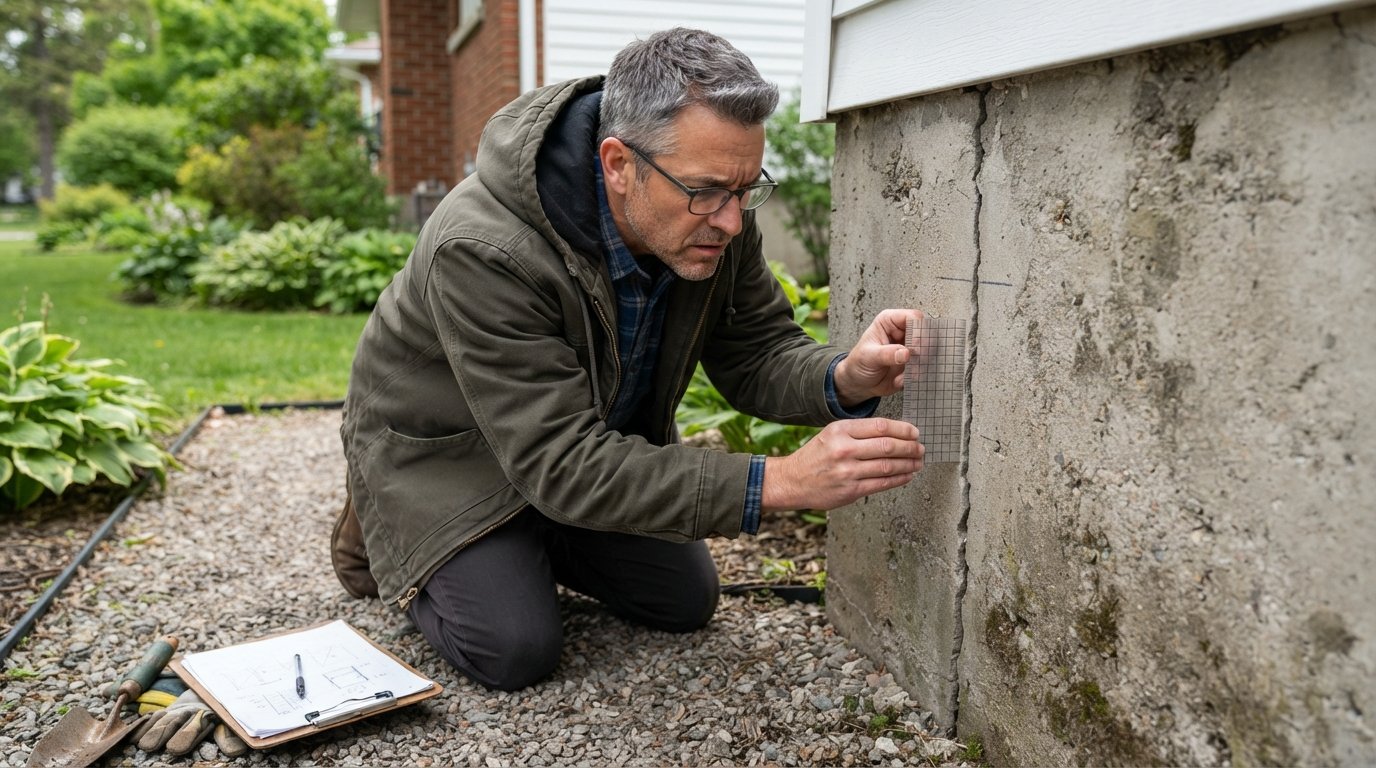
You walk around the outside of your house and spot it: a jagged line running through the concrete foundation. Your stomach drops. Is this a cosmetic flaw or a sign of structural disaster? The answer depends on the crack's width, location, and behavior over time. Understanding foundation crack repair cost and when to worry can save you thousands in unnecessary fixes or, conversely, help you avoid a catastrophic failure. This guide breaks down typical prices, red flags, and the smartest way to hire a pro.
Which Foundation Cracks Signal Structural Risk Versus Normal Settling
Not all cracks are created equal. Most concrete foundations develop hairline cracks as they cure, and these are rarely a cause for alarm. The key is to distinguish between shrinkage cracks (which appear in the first year and then stabilize) and active movement cracks (which widen over time). A crack that is less than 1/8 inch wide, runs vertically or diagonally, and has not changed in months is usually a cosmetic issue. You can monitor it with a simple pencil mark or a crack gauge.
On the other hand, certain patterns scream structural trouble. Horizontal cracks are a major red flag because they indicate lateral pressure from soil or water, often leading to bowing walls. Stair-step cracks in brick or block foundations suggest differential settlement. Cracks wider than 1/4 inch, or any crack that leaks water, should be evaluated by a professional. If you notice a crack accompanied by sticking doors, uneven floors, or gaps around windows, the problem is likely active and requires immediate attention.
To help you assess your situation, here is a quick checklist of warning signs that warrant a call to a structural engineer or foundation contractor:
- Cracks wider than 1/4 inch (about the width of a pencil)
- Horizontal cracks in the foundation wall
- Stair-step cracks in masonry
- Cracks that leak water or show efflorescence (white powder)
- Doors or windows that suddenly stick or won't close
- Visible bowing or leaning of walls
If you see any of these, do not panic, but do act. Early intervention is almost always cheaper than waiting for the problem to worsen. For a deeper dive into common issues and repair costs, see our guide on foundation repair cost and common issues.
Foundation Crack Repair Cost: Methods and Price Ranges
The cost to repair a foundation crack depends on the method used, the accessibility of the crack, and your location. Minor epoxy injections are the least expensive, while pier installation for settled foundations is a major investment. Below is a breakdown of the most common repair methods and their typical price ranges.
Epoxy or Polyurethane Injection: For non-structural, non-leaking cracks, epoxy injection is often sufficient. It fills the void and restores some strength. For leaking cracks, polyurethane foam expands to seal the leak. Expect to pay $250 to $800 per crack, with most homeowners spending around $500. This is a quick, one-day job.
Carbon Fiber Straps: Used for bowing walls, carbon fiber straps are applied to the interior and anchored to the floor and ceiling joists. They are less invasive than piers and cost $3,000 to $7,000 per wall. They are effective for stabilizing walls but do not lift the foundation.
Steel Piers (Push Piers or Helical Piers): When the foundation has settled, piers are driven into stable soil to lift and support the structure. This is the most expensive but permanent solution. Costs range from $10,000 to $30,000 or more, depending on the number of piers and depth. Each pier typically costs $1,000 to $3,000.
Drainage Correction: Often, the root cause of foundation cracks is poor drainage. Fixing gutters, grading, and installing French drains can cost $1,500 to $5,000. This is sometimes necessary before or after structural repairs to prevent recurrence.
Keep in mind that these are national averages. Prices vary widely by region, and a structural engineer's evaluation (which costs $300 to $800) is often required before major work. For a comprehensive overview of repair costs and common problems, our article on foundation repair cost and common issues provides additional detail.
When to Call a Structural Engineer Versus a Foundation Contractor
This is a common point of confusion. A foundation contractor specializes in executing repairs; a structural engineer diagnoses the problem and designs a solution. If you have a clear, non-structural crack (hairline, vertical, no water), a foundation contractor can handle the repair. However, if you see any of the red flags mentioned earlier, or if you are unsure, start with a structural engineer. They will provide an unbiased assessment and a stamped report that you can use to solicit bids from contractors.
Hiring an engineer first can actually save you money because you won't be sold unnecessary repairs. A reputable foundation contractor will often recommend an engineer for complex cases anyway. The typical sequence is: engineer evaluation (cost $300 to $800), then contractor bids based on the engineer's recommendations. Avoid contractors who diagnose the problem themselves and pressure you into a large repair without a second opinion.
When it comes to finding qualified professionals, platforms like HomeRemodelingsContractors can help you connect with experienced local contractors and get free estimates. They cover remodeling, repairs, upgrades, and more, so you can compare options and move forward with confidence.
How to Compare Foundation Repair Estimates and Warranties
Once you have a diagnosis, you will likely gather multiple bids. Comparing them apples-to-apples is crucial. A low bid might use inferior materials or skip necessary steps. Here is what to look for in each estimate:
- Scope of work: Does it match the engineer's report? Are permits included?
- Materials and methods: Are they specifying epoxy, polyurethane, piers, or straps? What brand and specifications?
- Warranty: Look for a transferable, long-term warranty (10 years or more). Understand what is covered and what voids it.
- Payment schedule: Never pay more than 10% to 15% upfront. Avoid large cash deposits.
- References and license: Verify the contractor's license, insurance, and ask for references from similar jobs.
Also, check whether the contractor offers a free estimate. Many do, but some charge a fee that is applied to the repair if you hire them. The warranty is particularly important: a good warranty should cover both the repair and any future movement. Some companies offer a "lifetime" warranty, but read the fine print for transferability and exclusions.
Finally, don't rush. Foundation repair is a significant investment. Get at least three bids, ask questions, and trust your gut. A professional contractor will be transparent and patient.
In summary, foundation cracks range from harmless to hazardous. Knowing the warning signs and typical costs empowers you to make informed decisions. For minor cracks, epoxy injection may cost a few hundred dollars; for major settlement, piers can run tens of thousands. When in doubt, consult a structural engineer. And when you are ready to hire, use a trusted platform to find vetted local pros who can get the job done right.
Learn more about Foundation Repair for guides, costs, and what to expect.
Compare Foundation Repair Pros Near You
Enter your ZIP code to compare top-rated local professionals and request free quotes.