
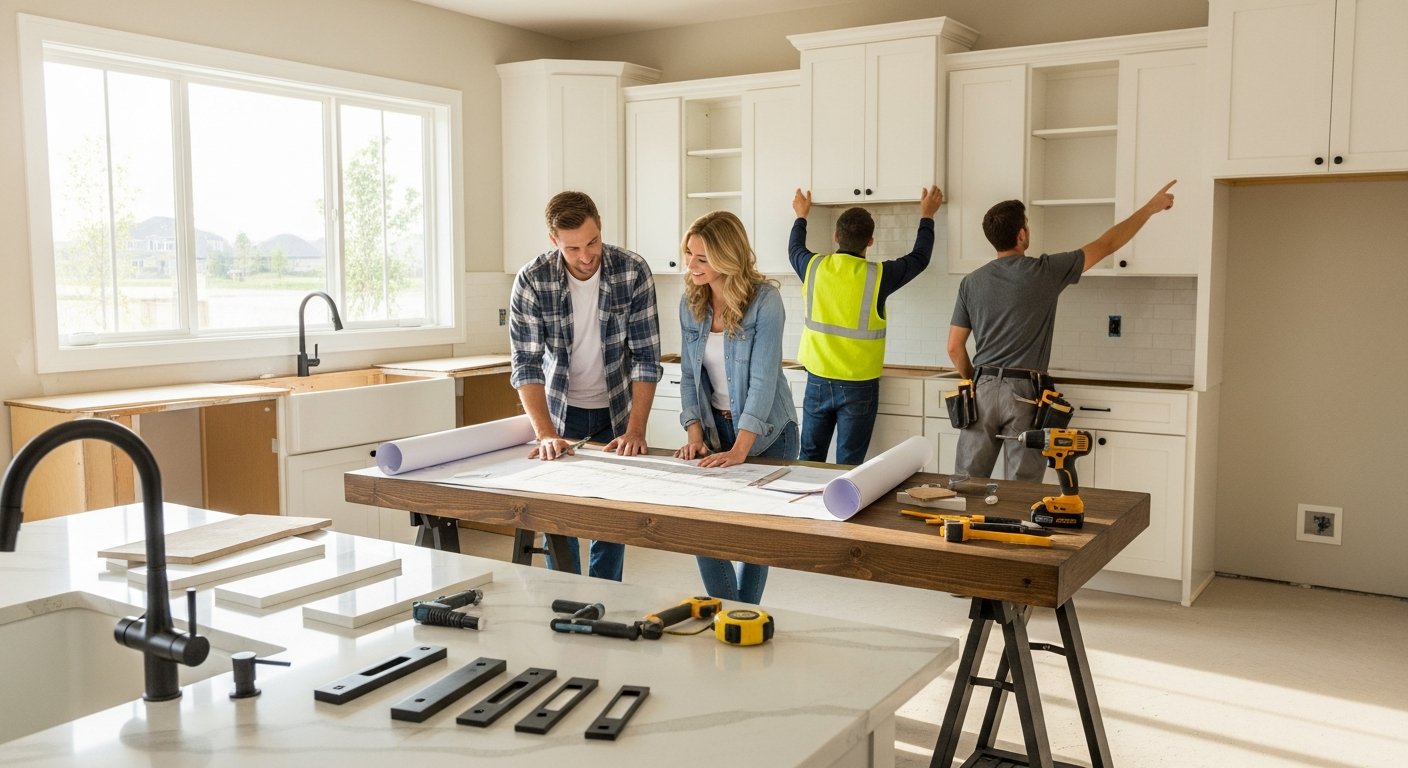
Home Remodel Planning: Steps for a Stress-Free Project
Plan a stress-free home remodel with these practical steps, from setting a budget to hiring the right contractor. Start your project with confidence.

By Liam Weston
Learn more about Home Remodeling for guides, costs, and what to expect.
Compare Home Remodeling Pros Near You

Enter your ZIP code to compare top-rated local professionals and request free quotes.
Starting a home remodel can feel like stepping into a whirlwind of decisions, budgets, and contractor meetings. Yet with the right plan, you can transform your home without losing your sanity or your savings. Whether you want to update a dated kitchen, add a bathroom, or refresh your entire living space, the key is preparation. A thoughtful approach helps you avoid surprise costs, keep your timeline on track, and ensure the finished result matches your vision. This guide walks you through the essential steps of home remodel planning, from defining your goals to hiring the right professionals and managing the project day by day.
Define Your Remodel Goals and Priorities
Before you call a contractor or pick out paint colors, take time to understand why you want to remodel. Are you looking to increase your home's resale value, improve daily functionality, or simply create a more comfortable space? Each goal leads to different decisions. For example, a kitchen update for resale might focus on modern appliances and neutral finishes, while a remodel for your own enjoyment could prioritize a large island and custom storage.
Write down your top three reasons for remodeling. This list will guide every choice you make later. It also helps when you discuss the project with contractors, because you can clearly explain what success looks like to you. If you are unsure about your priorities, look at how you use each room. Note what frustrates you, such as poor lighting or lack of counter space. These pain points become your project's foundation.
Set a Realistic Budget
Your budget is the single most important number in your remodel. It determines the scope, materials, and timeline. Start by reviewing your savings and determining how much you can comfortably spend without straining your finances. A common rule of thumb is to allocate 10 to 20 percent of your home's value for a major remodel, but this varies by project type and region. For a bathroom remodel, a typical range is $10,000 to $25,000, while a full kitchen can run $25,000 to $50,000 or more.
Once you have a rough number, add a 15 to 20 percent contingency for unexpected issues. Older homes often hide problems like outdated wiring or water damage, and you do not want to be caught without funds. When you get estimates from contractors, compare them carefully. A lower bid might mean lower quality materials or a less experienced team. Ask for a detailed breakdown of costs so you know exactly where your money goes.
Research and Hire the Right Contractor
Finding a trustworthy contractor is often the hardest part of a home remodel. A good contractor brings experience, reliability, and a network of skilled tradespeople. Start by asking friends, family, and neighbors for recommendations. Then check online reviews and verify licenses and insurance. The BuySellRemodel platform can simplify this step by connecting you with vetted local contractors who have been reviewed by other homeowners.
When you interview potential contractors, ask about their experience with projects like yours. Request a portfolio of completed work and ask for references. A professional should be happy to provide these. Also, ask about the timeline and how they handle delays or changes. Clear communication from the start prevents misunderstandings later.
Get at least three written estimates for your project. Each bid should be detailed, listing materials, labor, and a clear scope of work. Avoid contractors who give vague quotes or pressure you to sign immediately. A reputable pro will answer your questions and explain the process. Once you choose a contractor, sign a contract that outlines the project details, payment schedule, and warranty terms. This document protects both of you.
Design Your Remodel for Function and Style
The design phase is where your vision becomes concrete. Whether you work with an architect, a designer, or your contractor, the goal is to create a space that looks great and works well. Think about how you use the room daily. For a kitchen, consider the work triangle between the stove, sink, and refrigerator. For a bathroom, plan for storage near the vanity and easy access to the shower.
Selecting materials and finishes is exciting but can be overwhelming. Focus on durability and maintenance first, then style. For example, quartz countertops resist stains better than marble, and porcelain tile handles moisture better than natural stone. If you are remodeling on a budget, prioritize high-impact areas like countertops and flooring, and save money on less visible items like cabinet hardware or lighting fixtures.
A common mistake is choosing trends over timelessness. While a bold tile pattern might look great in a magazine, it could date quickly. Opt for classic colors and textures for large surfaces, and add personality through accessories or paint that you can easily change later. This approach keeps your remodel appealing for years and increases its resale value.
Create a Detailed Plan and Timeline
A realistic timeline keeps your project on track and reduces stress. Most remodels take longer than expected, so build in buffer time. Start by discussing the schedule with your contractor. They will account for permitting, material delivery, and the sequence of trades. For a kitchen remodel, you might be without a functioning kitchen for six to eight weeks. Plan your meals and temporary setup in advance.
Write down every step of the project, from demolition to final inspection. Share this plan with your contractor and mark key milestones. Regular check-ins, such as a weekly meeting or a quick phone call, help you catch issues early. If you are living in the home during the remodel, establish clear rules about work hours and which areas are off-limits. This prevents accidents and keeps your family safe.
Manage the Remodel Process Smoothly
Once the work begins, your role shifts from planner to project manager. Stay involved but trust your contractor's expertise. Check progress daily, but avoid hovering. If you have questions, write them down and ask during scheduled updates. Most problems are easier to solve if you address them right away.
Be prepared for the unexpected. Even with a contingency fund, issues like hidden water damage or structural problems can arise. Your contractor should inform you immediately and provide options. Try to keep a flexible attitude, because some changes are unavoidable. Remember, the goal is a successful remodel, not a perfectly smooth process.
Communication is the backbone of a good remodel. Keep a project journal or use a shared app to track decisions, receipts, and messages. This record helps if a dispute arises and also serves as a valuable reference for future maintenance. At the end of each phase, walk through the completed work with your contractor. Note any touch-ups or adjustments needed before moving to the next step.
Save Money Without Sacrificing Quality
Affordability is a major concern for many homeowners, but you can cut costs without compromising the final result. One strategy is to keep the layout unchanged. Moving plumbing, electrical, or walls adds significant expense. Instead, focus on updating surfaces, fixtures, and appliances. This approach is especially effective in kitchens and bathrooms where the core structure is sound.
Another way to save is to buy materials yourself. Contractors often mark up materials, so purchasing directly from suppliers can reduce costs. However, confirm with your contractor that this is acceptable and that they will install owner-supplied items. Compare prices online and at local home improvement stores. Look for sales on appliances and fixtures, but verify that they fit your design and timeline.
Consider a phased remodel if your budget is tight. You can complete one room at a time, or focus on the most critical updates first. This approach spreads out the cost and lets you adjust based on your financial situation. Just ensure that each phase is planned with the end goal in mind, so the later work integrates seamlessly.
When to DIY vs. Hire a Professional
Some homeowners enjoy tackling parts of the remodel themselves to save money. Simple tasks like painting, installing backsplash tile, or replacing cabinet hardware can be DIY-friendly. However, anything involving electrical, plumbing, or structural changes should be left to licensed professionals. Mistakes in these areas can be dangerous and costly to fix.
If you decide to DIY, be honest about your skill level. A poorly installed tile or uneven paint can ruin the look of an otherwise beautiful remodel. Also, consider the time. A professional can complete a task in hours that might take you a weekend. Weigh the savings against the risk and effort. For major projects, hiring a pro often saves money in the long run by avoiding errors and ensuring code compliance.
Final Walkthrough and Moving Forward
When the remodel is nearly complete, do a final walkthrough with your contractor. Create a punch list of any unfinished items or touch-ups, such as a scratched countertop or a misaligned cabinet door. A reputable contractor will address these promptly. Test all appliances, fixtures, and systems to ensure they work correctly. Keep all warranties and manuals in a safe place.
After the project is done, take time to enjoy your new space. A well-planned home remodel can dramatically improve your daily life and add value to your property. If you are considering future projects, use this experience to refine your approach. You now know what to expect and how to work with contractors effectively.
For your next home improvement, remember that BuySellRemodel can connect you with experienced local contractors. Whether you need a free estimate for a new project or want to compare bids, the platform simplifies the process. With the right planning and the right team, your home remodel can be a rewarding investment that you and your family will appreciate for years.
Learn more about Home Remodeling for guides, costs, and what to expect.
Compare Home Remodeling Pros Near You
Enter your ZIP code to compare top-rated local professionals and request free quotes.