
Fall Home Maintenance Checklist Before Winter Arrives
Complete your fall home maintenance checklist before winter arrives to avoid surprise repair bills. Call (833)-365-8755 for trusted local contractor referrals.

By Valerie Nguyen
Learn more about Weatherization for guides, costs, and what to expect.
Compare Weatherization Pros Near You

Enter your ZIP code to compare top-rated local professionals and request free quotes.
As the leaves turn and the air sharpens, your home quietly braces for the toughest months of the year. The fall season is not just about cozy sweaters and pumpkin spice; it is your last clear window to address potential trouble spots before freezing temperatures, snow, and ice put your property to the test. A proactive fall home maintenance checklist before winter arrives can mean the difference between a comfortable, efficient season and a costly emergency repair in January. This guide walks you through the essential tasks, from furnace tune-ups to roof inspections, so you can protect your investment and your peace of mind.
Heating System Tune-Up and Safety Check
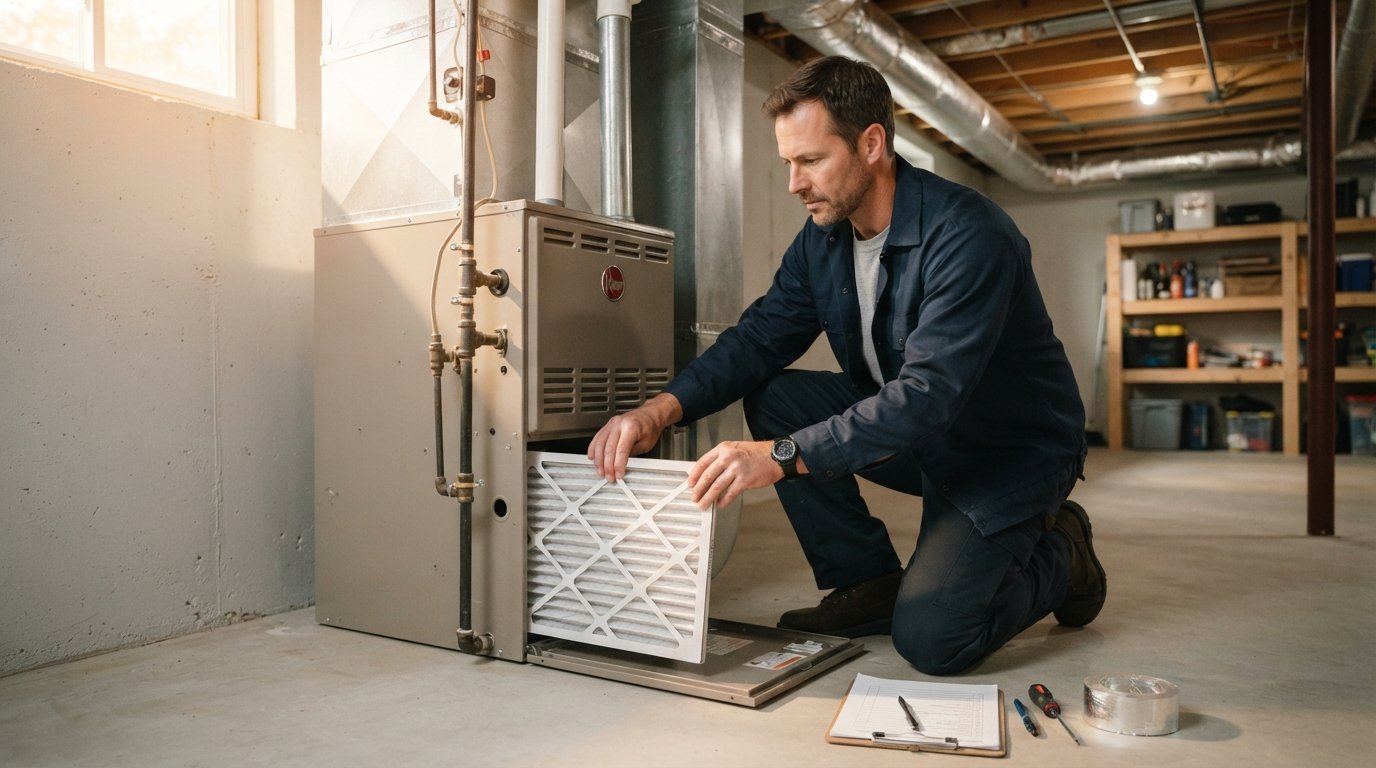
Your heating system has likely been idle for months, and the first cold snap is no time to discover a problem. Scheduling a professional furnace tune-up in early fall ensures the system runs efficiently and safely throughout the winter. A qualified technician will clean the burners, check the heat exchanger for cracks, inspect electrical connections, and verify that the thermostat is calibrated correctly. This service not only reduces the risk of carbon monoxide leaks but also helps lower your energy bills by keeping the system operating at peak performance.
In addition to a professional inspection, there are simple tasks you can handle yourself. Replace the furnace filter before turning the system on and plan to check it monthly during heavy use. Clear any dust or debris around the unit and ensure that vents and registers are unobstructed. If you have a gas furnace, listen for unusual sounds or smells when it first kicks on, and do not ignore them. For a deeper dive into winter preparation tasks, including seasonal maintenance timelines, see our fall home maintenance checklist for winter prep.
Safety should always come first. Install or test carbon monoxide detectors and smoke alarms on every level of your home. If your heating system is more than 15 years old, consider having it evaluated for replacement before it fails on the coldest night of the year. Many homeowners overlook the importance of a seasonal tune-up, but it is one of the most cost-effective steps on any fall maintenance list.
Plumbing and Water Systems: Prevent Frozen Pipes
Water damage from burst pipes is one of the most common and expensive winter emergencies. A few hours of preparation in the fall can save you thousands of dollars and a major headache. Start by disconnecting garden hoses and shutting off the outdoor water supply at the valve. Drain the remaining water from the pipes and hose bibs to prevent freezing. If you have an irrigation system, schedule a professional blowout to clear water from the lines and sprinkler heads before the ground freezes.
Inside the home, insulate exposed pipes in unheated areas such as the basement, crawlspace, attic, and garage. Foam pipe insulation is inexpensive and easy to install. Seal any gaps or cracks in the exterior walls where pipes enter, using caulk or expanding foam. On extremely cold nights, allow a slow drip from faucets on exterior walls to keep water moving and reduce pressure. If you plan to travel during the winter, leave the thermostat set to at least 55 degrees Fahrenheit to prevent freezing.
Take a few minutes to locate your main water shut-off valve and make sure every adult in the household knows how to use it. In the event of a pipe burst, quick action can minimize damage. Also, check the hoses on your washing machine and dishwasher for wear and replace them if they show signs of cracking. For homeowners planning larger plumbing upgrades, such as replacing an old water heater or installing a smart leak detection system, fall is an ideal time to connect with experienced local contractors who can handle the job before winter sets in.
Attic Insulation and Air Sealing for Energy Efficiency
Heat rises, and if your attic is under-insulated or riddled with air leaks, you are essentially throwing money out the roof. Before the heating season begins, inspect your attic insulation to ensure it meets recommended levels for your climate zone. In most U.S. regions, that means an R-value between R-38 and R-60. If you can see the floor joists, you likely need more insulation. Adding insulation is a relatively affordable project that can significantly reduce heating costs and improve comfort throughout the house.
Air sealing is just as important as insulation. Use caulk or spray foam to seal gaps around plumbing penetrations, electrical outlets, recessed lights, and the attic hatch. Check for daylight coming through the roof or walls and seal any obvious openings. Weatherstrip around attic doors and pull-down stairs. These small fixes prevent warm air from escaping and cold air from entering, making your home more energy-efficient and reducing the workload on your heating system.
While you are in the attic, look for signs of moisture, mold, or pest activity. Proper ventilation is essential to prevent condensation and ice dams. Ensure that soffit vents are clear and that baffles are in place to allow air to flow from the eaves to the ridge. If you are unsure about the condition of your insulation or ventilation, consider hiring a professional energy auditor. They can identify problem areas and recommend targeted improvements. Taking these steps now can lower your utility bills and extend the life of your roof.
Chimney and Fireplace Inspection Before the First Burn
There is nothing quite like a roaring fire on a cold evening, but before you strike that first match, make sure your chimney is ready. Creosote buildup, blockages from animal nests, and structural damage can lead to chimney fires or carbon monoxide poisoning. Schedule an annual inspection by a certified chimney sweep. They will clean the flue, check for cracks in the masonry, and verify that the damper and cap are functioning properly.
If you have a gas fireplace, have it serviced by a qualified technician to ensure that the burners and ignition system are clean and working safely. For wood-burning fireplaces, use only well-seasoned hardwood and avoid burning trash or cardboard, which can accelerate creosote buildup. Install a chimney cap to keep out rain, snow, and wildlife. If your fireplace has not been used in several years, a thorough inspection is especially important.
Do not forget the area around the hearth. Clear any combustible materials, such as rugs or decorations, away from the fireplace opening. Ensure that the hearth is in good condition and that any glass doors or screens are intact. A safe fireplace adds warmth and ambiance to your home, but only if it is maintained properly. Regular maintenance also helps preserve the value of your home and can prevent costly repairs down the road.
Roof and Gutter Maintenance to Prevent Ice Dams
Your roof takes the brunt of winter weather, so give it a thorough inspection before the snow flies. From the ground, look for missing, damaged, or curling shingles. Check the flashing around chimneys, skylights, and vents for gaps or rust. If you spot any issues, repair them now before water can infiltrate and cause interior damage. While you are at it, inspect the attic for signs of leaks, such as water stains on the ceiling or rafters.
Clean your gutters and downspouts to remove leaves, twigs, and debris. Clogged gutters can cause water to back up under the roof edge, leading to rot and ice dams. Ice dams form when warm air escapes from the attic, melts snow on the roof, and the water refreezes at the eaves, creating a barrier that forces water into the home. Proper attic insulation and ventilation, combined with clean gutters, are your best defenses against ice dams. Consider installing gutter guards to reduce future maintenance.
Trim overhanging tree branches that could break under the weight of snow or ice and damage your roof. Check that downspouts discharge water well away from the foundation, ideally at least six feet. If you are uncomfortable inspecting your roof yourself, hire a professional. Many roofing contractors offer affordable inspections and can handle minor repairs before they become major problems. A well-maintained roof is your home's first line of defense against winter precipitation.
Exterior and Landscape Preparation
The exterior of your home and your landscaping also need attention before winter. Walk around the perimeter and seal any cracks in the foundation, siding, or window frames with caulk or expanding foam. Check the weatherstripping around doors and windows and replace it if it is worn. This simple step keeps cold air out and warm air in, improving energy efficiency.
Drain and store garden hoses, and shut off outdoor faucets as mentioned earlier. Store patio furniture, grills, and other outdoor items in a shed or garage to protect them from the elements. If you have a deck, inspect it for loose boards or protruding nails and apply a fresh coat of sealer if needed. Rake leaves and debris away from the foundation to prevent moisture buildup and pest infestations.
For your lawn and garden, fall is the time to aerate, fertilize, and plant spring bulbs. Trim back perennials and remove annuals. Mulch around trees and shrubs to protect roots from freezing temperatures. If you have a sprinkler system, make sure it has been blown out and winterized. These tasks not only improve your curb appeal but also contribute to the long-term health of your landscape. When planning larger exterior projects, such as a new deck or fence, consider connecting with a reputable contractor through a platform like HomeRemodelingsContractors to get the job done right before winter.
Final Walkthrough and Emergency Kit
Once you have completed the major maintenance tasks, do a final walkthrough of your home to catch any remaining issues. Test your sump pump by pouring water into the pit to ensure it activates properly. Check the basement and crawlspace for signs of moisture or drafts. Make sure your emergency kit is stocked with flashlights, batteries, a first-aid kit, bottled water, and non-perishable food in case of a winter storm power outage.
Review your homeowner's insurance policy to confirm that you have adequate coverage for winter-related damages, such as frozen pipes or ice dams. Some policies require specific maintenance steps to be eligible for claims, so it is worth a quick call to your agent. Keep a list of emergency contacts, including your utility company, a plumber, and a heating contractor, in a convenient place.
Finally, create a maintenance calendar or checklist to track recurring tasks throughout the winter, such as checking the furnace filter and testing smoke detectors. A little organization now will help you stay ahead of potential problems. By following this fall home maintenance checklist before winter arrives, you can enjoy a safer, more comfortable season and avoid the stress of unexpected repairs.