
Do I Need a Permit for a Bathroom Remodel
Wondering if you need a permit for a bathroom remodel? Learn when permits are required, what happens if you skip one, and how to stay legal.

By Oliver Grant
Learn more about Bathroom Remodel for guides, costs, and what to expect.
Compare Bathroom Remodel Pros Near You

Enter your ZIP code to compare top-rated local professionals and request free quotes.
You are ready to rip out that dated vanity, tear up the peeling linoleum, and finally build the bathroom you have been dreaming about. But before you swing the first hammer, a nagging question surfaces: do I need a permit for a bathroom remodel? The short answer is often yes, but it depends on the scope of your project and your local building codes. Skipping the permit process might save time today, but it can lead to expensive fines, stalled insurance claims, and major headaches when you try to sell your home. This guide walks you through the exact situations that require permits, the risks of skipping them, and the step-by-step process to stay compliant.
Understanding permit requirements is not about bureaucratic red tape; it is about protecting your investment, your safety, and your family. Building codes exist to ensure that structural changes, electrical work, and plumbing are done to a minimum standard. When you hire a licensed contractor through a trusted platform like HomeRemodelingsContractors, they typically handle the permit application as part of their service, but you should still know the rules. Let us break down the scenarios so you can plan your remodel with confidence and avoid any unwelcome surprises.
When Is a Permit Required for a Bathroom Remodel?
Permit requirements vary by city and county, but most municipalities follow similar guidelines based on the International Residential Code. The general rule is that any work involving changes to your home's structure, electrical system, plumbing, or mechanical systems (HVAC) requires a permit. A purely cosmetic update, such as replacing a toilet or painting the walls, usually does not trigger a permit, but anything that alters the function or safety of the space likely will.
Here is a practical breakdown of the most common bathroom remodel tasks and whether they typically require a permit:
- Cosmetic updates (no permit needed): Painting, installing new cabinet hardware, replacing a mirror, or swapping out a vanity top without moving the plumbing.
- Minor electrical or plumbing (permit often required): Adding a new outlet, relocating a light fixture, moving a drain line, or changing the location of a sink or toilet.
- Structural changes (permit always required): Removing or adding a wall, enlarging a window, or altering the roof line.
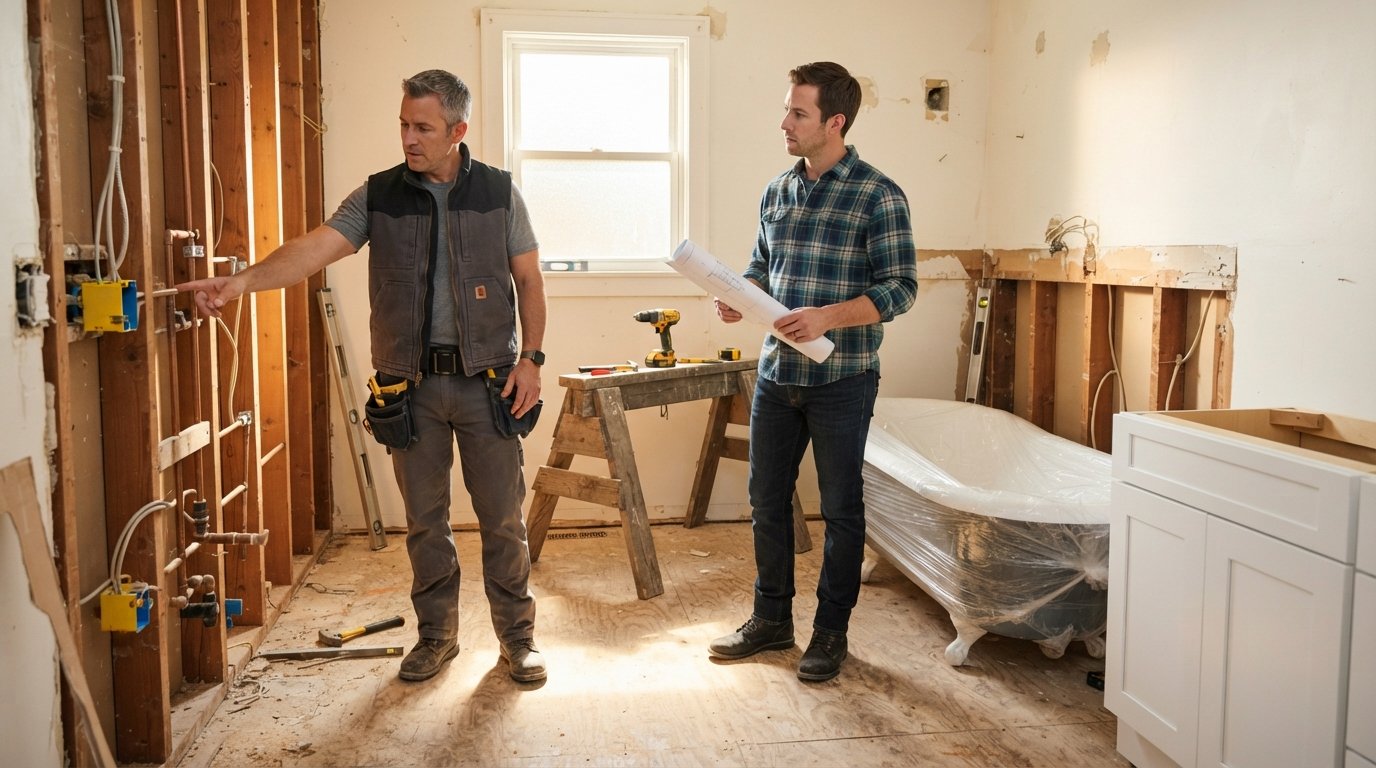
- Full gut renovation (permit almost always required): If you are tearing down to the studs and replacing all wiring, pipes, and fixtures, you will need a permit to ensure the work meets current code.
Even if your project seems minor, local building departments have the final say. For example, some cities require a permit just to replace a water heater, while others do not. The safest approach is to call your local building department, describe your project, and ask whether a permit is needed. Many municipalities even have online permit portals where you can check requirements by zip code.
Permit Requirements by Remodel Scope
To give you a clearer picture, consider these three common remodel scenarios. In Scenario A, you are simply updating the look: you install a new pre-fabricated vanity, a drop-in sink, and a new toilet. No plumbing is moved, and no electrical work is done. In most jurisdictions, this does not require a permit because you are not altering the systems that the code governs. Scenario B involves replacing the bathtub with a walk-in shower. This is a different story. The plumbing drain and supply lines will be relocated, and you will likely need a permit because the work affects the building's water and waste systems. Scenario C is a full remodel where you move the toilet to the opposite wall, add a second sink, and install a new exhaust fan with dedicated wiring. This absolutely requires a permit, and you will need to submit detailed plans to the building department for review.
The distinction between these scenarios highlights why you cannot rely on a simple yes or no answer. Your contractor should be well-versed in local codes, but you should also verify. If you plan to do the work yourself, you will need to pull the permit in your name, which means you are legally responsible for meeting all inspections. Even if you hire a contractor, the permit is often taken out in their name, but some jurisdictions hold the homeowner accountable if no permit is obtained. This is why you need to confirm that your contractor pulls all required permits before work begins.
The Real Risks of Skipping a Bathroom Remodel Permit
Skipping a permit might seem like a smart way to cut costs and avoid delays, but the long-term consequences can be far more expensive than the permit fee. The most immediate risk is a stop-work order. If a building inspector notices unpermitted work, they can halt your project until you apply for the permit and pass inspections, which often means tearing out finished work to expose the wiring or plumbing for review. This double cost is a nightmare for any homeowner.
Beyond the construction site, unpermitted work creates serious problems when you decide to sell your home. Buyers' lenders and title companies routinely check for permits on major renovations. If they discover that your beautiful new bathroom was remodeled without a permit, they may refuse to fund the loan, forcing you to either obtain a retroactive permit or negotiate a lower sale price. In some cases, you might be required to tear out the unpermitted work entirely, a devastating financial loss.
Insurance is another hidden danger. Your homeowner's insurance policy typically excludes coverage for damage caused by unpermitted work. If a fire starts due to faulty wiring from an unpermitted electrical upgrade, or if a leaking pipe from an unpermitted plumbing change causes water damage, your claim could be denied. You would be left paying for repairs out of pocket, plus facing potential liability if the damage affects neighboring units in a condo or townhouse. The modest cost of a permit is a small price to pay for protecting your coverage.
How to Check Local Permit Rules (Step by Step)
Navigating permit requirements is easier than you think if you follow a structured approach. Start by identifying your local building department. This is usually the city or county office that handles construction permits, and a quick online search for "building department" plus your city or county name will give you the official website. Look for a section labeled "Permits," "Building Services," or "Plan Review." Many departments now offer online chat or a phone hotline to answer simple questions.
Once you have the contact information, prepare a detailed description of your planned work. Include specifics like whether you are moving walls, changing the location of plumbing fixtures, or adding new electrical circuits. It helps to have a rough sketch or floor plan, even if it is not professionally drawn. Then, follow these steps:
- Call or visit the building department and speak with a permit technician. Describe your project and ask if a permit is required.
- If a permit is required, ask about the application process. You may need to submit plans, pay a fee, and schedule inspections at various stages.
- Get the permit before you start any work. Do not assume that your contractor will handle it; ask to see the permit or a copy of the application.
- Schedule all required inspections. Do not call for a final inspection until every stage has passed, from rough-in to finish.
Remember, permit fees are usually based on the project's estimated value. For a bathroom remodel, the fee might range from $100 to $500, which is a fraction of your total budget. Some municipalities also require separate permits for electrical, plumbing, and mechanical work, so ask about all applicable permits. The building department is your ally, not your enemy; they want to ensure your remodel is safe, and they are generally happy to guide you through the process.
What Happens During a Bathroom Remodel Inspection?
If you are required to obtain a permit, you will also be required to pass inspections at key points during the remodel. The number and type of inspections vary by jurisdiction, but most bathroom remodels require at least two: a rough-in inspection and a final inspection. The rough-in inspection happens after the framing, electrical wiring, and plumbing pipes are in place but before any drywall or tile is installed. This is your opportunity to catch any code violations early, when they are cheap to fix. The inspector will check that the wiring is properly grounded, the plumbing drains have the correct slope, and any structural changes meet local codes.
After the walls are closed up and the fixtures are installed, the final inspection verifies that everything works correctly. The inspector will test for leaks, check that the toilet is securely mounted, and confirm that all electrical outlets are GFCI-protected (which is required near water). They will also ensure that the ventilation fan exhausts to the outside, not into the attic. Passing the final inspection gives you a certificate of occupancy or a permit closure, which is documentation you should keep for your records.
If an inspector finds a problem, do not panic. You will receive a list of corrections that need to be made, and you will have a set amount of time to fix them. Once the corrections are made, you can schedule a re-inspection. This process is designed to protect you from shoddy workmanship, and it is one of the best reasons to hire a licensed contractor who knows the code requirements and will coordinate inspections with your schedule.
Should You DIY or Hire a Pro? Permit Implications
One of the biggest decisions in a bathroom remodel is whether to do the work yourself or hire a professional. This choice has direct implications for permits. If you are an experienced DIYer and the project is purely cosmetic, you can likely handle it without a permit. But if the remodel involves moving plumbing or adding electrical circuits, you should seriously consider hiring a licensed contractor. Many municipalities require that electrical and plumbing work be performed by a licensed professional, even if the homeowner pulls the permit. This is because the work poses significant safety risks if done incorrectly.
When you hire a professional contractor through BuySellRemodel, you gain the benefit of their experience with local building codes. They know exactly which permits are needed, they will prepare the drawings and paperwork, and they will schedule the inspections around their work. This takes a huge burden off your shoulders and ensures that your remodel is code-compliant. In our article on bathroom remodel ROI, we discuss how professional workmanship and proper permitting can boost the return on your investment when you sell your home.
If you do choose to DIY, be honest about your skill level. A mistake in plumbing can cause thousands of dollars in water damage, and faulty electrical work is a fire hazard. Ask yourself: are you comfortable with the idea of an inspector scrutinizing your work? If not, hiring a pro is the safer choice. You can still save money by doing the demolition or painting yourself, while leaving the technical work to a licensed contractor.
Cost of Permits vs. Cost of Getting Caught
Permit fees are often the first thing homeowners complain about, but they are a tiny fraction of the overall remodel cost. The average bathroom remodel in the United States costs between $10,000 and $25,000, depending on the size and quality of materials. A permit for that project might cost $200 to $500, which is less than 2% of your budget. If you think of it as an insurance premium against future liability, it is an incredible value.
Compare that to the cost of getting caught without a permit. Fines for unpermitted work can range from $500 to $5,000 or more, depending on your municipality and the severity of the violation. You may also be required to pay double or triple the original permit fee. If the inspector orders you to tear out finished work for an inspection, you could lose thousands of dollars in materials and labor. And if you ever try to sell the home, you might have to lower your asking price by more than the cost of the remodel just to attract a buyer who is willing to deal with the unpermitted work.
The bottom line is that skipping a permit is a false economy. The short-term savings are minuscule compared to the potential long-term costs. By securing the proper permits and passing inspections, you protect your home's value, your safety, and your peace of mind. You also ensure that your remodel meets the building code that exists to keep you and your family safe.
So, do you need a permit for your bathroom remodel? The answer lies in the details of your project. Start by calling your local building department, be thorough in your planning, and always work with professionals who respect the permitting process. When in doubt, err on the side of getting a permit. Your future self, and the future buyer of your home, will thank you.
The permitting process is not a barrier; it is a safeguard. It ensures that your beautiful new bathroom is not only stunning but also structurally sound, electrically safe, and plumbed correctly. Whether you are doing a quick refresh or a full gut renovation, take the time to understand your local requirements. You will avoid fines, keep your insurance valid, and enjoy your new space with complete confidence. For help finding a qualified contractor who can handle permits and inspections, visit BuySellRemodel and get free estimates from local pros today.