
Chimney Repair vs Rebuild: Cost and Safety Guide
Chimney repair vs rebuild cost and safety guide: compare real prices, spot danger signs, and choose the right fix to avoid a costly collapse.

By Liam Weston
Learn more about Fireplace and Chimney Cleaning or Repair for guides, costs, and what to expect.
Compare Fireplace and Chimney Cleaning or Repair Pros Near You

Enter your ZIP code to compare top-rated local professionals and request free quotes.
A cracked crown, spalling brick, or a wisp of smoke curling from the wrong place can turn a cozy evening into a costly headache. When your chimney starts showing its age, the first question is almost always the same: can this be fixed, or does it need to come down and go back up? The answer depends on damage type, location, and how much of the structure is still sound. This chimney repair vs rebuild cost and safety guide walks you through the real numbers, the warning signs that demand action, and how to choose the path that protects both your wallet and your home.
Understanding the Difference Between Repair and Rebuild
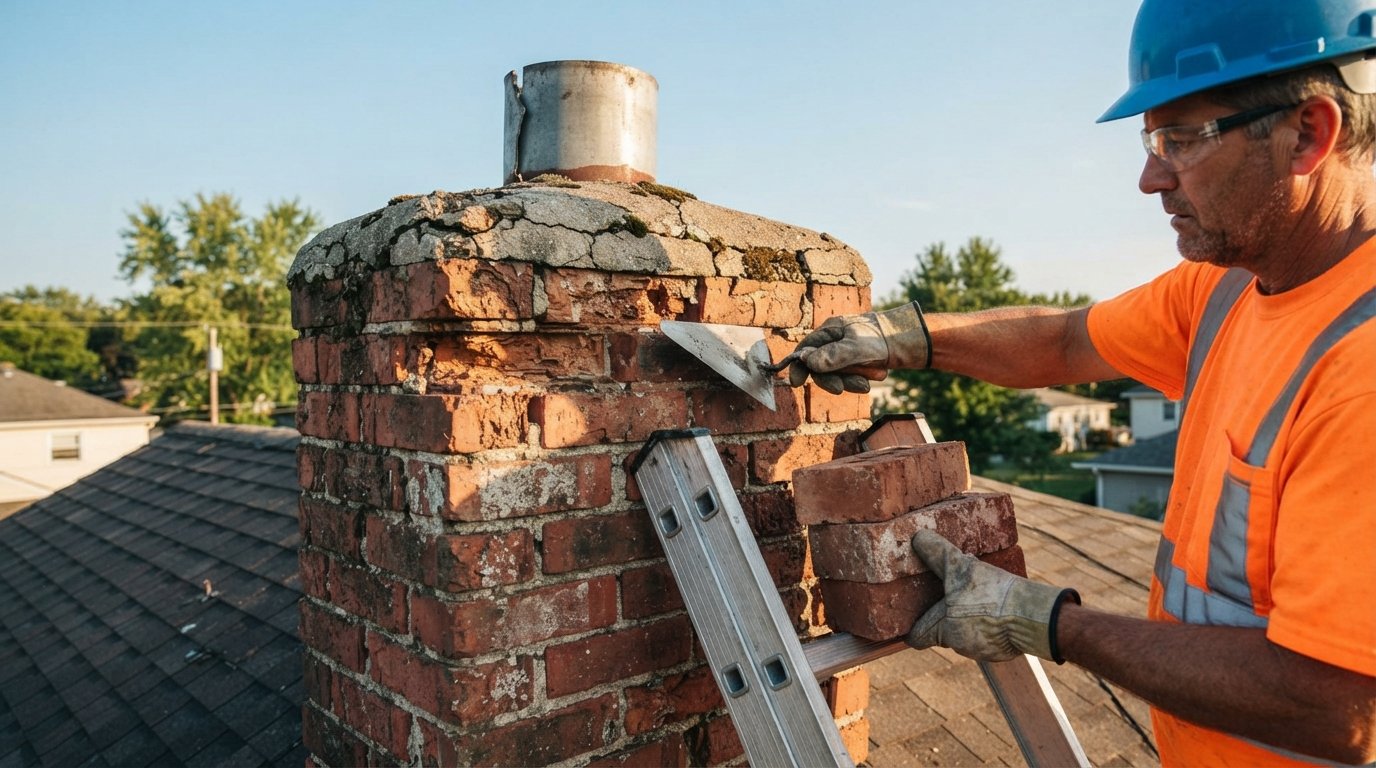
A repair targets a specific defect while preserving the existing structure. Think of it as patching a leak, replacing a few loose bricks, or sealing a cracked crown. The chimney stays in place, and the work is usually limited to the damaged area. A rebuild, by contrast, involves removing and reconstructing part or all of the chimney. That can mean taking down the portion above the roofline (a top-down rebuild) or tearing out the entire stack down to the foundation.
The distinction matters because the cost gap is enormous. A minor repair might run a few hundred dollars, while a full rebuild can climb into five figures. But choosing repair when a rebuild is needed can be dangerous. A chimney that is structurally compromised can collapse, leak carbon monoxide, or allow a house fire to start inside the walls. Understanding which category your chimney falls into is the first step toward a safe, cost-effective decision.
Several factors determine whether repair or rebuild is appropriate. The most common include:
- Extent of damage: Is it isolated to a few bricks or widespread across the stack?
- Location of damage: Damage above the roofline is easier and cheaper to address than damage below it.
- Age of the chimney: Older chimneys may have deteriorating mortar throughout, making spot repairs futile.
- Cause of damage: Water penetration, freeze-thaw cycles, settling, or a chimney fire each call for different responses.
- Structural integrity: If the chimney is leaning or has cracked internal flue tiles, a rebuild is often the only safe option.
Once you know which factors apply, you can start to see whether you are facing a simple fix or a major reconstruction. The next sections break down costs for each path and the safety risks of getting it wrong.
Chimney Repair Costs: What to Expect
Repair costs vary widely based on the type of problem and your region. A simple crown repair might cost $300 to $600, while replacing a few spalled bricks can run $500 to $1,500. Flashing repair, which addresses leaks at the roof line, typically falls between $200 and $800. If you need a new chimney cap, expect $150 to $500 installed. These are the kinds of fixes that can often be handled by a qualified mason or chimney sweep in a single visit.
More extensive repairs, such as relining the flue, are a different story. A stainless steel liner for a wood-burning fireplace can cost $2,000 to $5,000, depending on length and complexity. If the chimney has multiple flues or serves a furnace and a fireplace, the price rises. Tuckpointing, which involves grinding out and replacing deteriorated mortar joints, can cost $1,000 to $3,000 for a typical chimney. This is often a preventative measure that extends the life of the structure.
It is important to get a written estimate that itemizes materials and labor. Some contractors may recommend a repair when a rebuild is truly needed, either because they lack the skills for a rebuild or because they want to sell a cheaper job. A trustworthy professional will explain why a repair is sufficient and what signs would later indicate a rebuild is necessary. For homeowners who want to compare local options, services like HomeRemodelingsContractors can help you find experienced chimney professionals and request free estimates without pressure.
Chimney Rebuild Costs: When and Why
A rebuild is a major construction project. The cost depends on how much of the chimney is replaced. A partial rebuild, often called a top-down rebuild, removes and reconstructs the portion above the roof. This is common when the chimney is damaged by weather or a chimney fire but the lower sections are still sound. Expect to pay $3,000 to $8,000 for a partial rebuild, depending on height, materials, and accessibility.
A full rebuild, which takes the chimney down to the foundation and reconstructs it entirely, can cost $10,000 to $25,000 or more. This is necessary when the chimney is leaning, when the foundation is compromised, or when the entire structure has deteriorated due to years of water damage. Full rebuilds are complex, require permits, and often involve matching the existing home exterior. They are not a DIY project.
The reasons to rebuild rather than repair are usually structural. If the chimney is separating from the house, if there are large cracks running through the brickwork, or if the flue tiles are shattered, a rebuild is the safe choice. Ignoring these signs can lead to a chimney collapse, which can injure people, damage the roof, and even start a fire. A professional inspection will use a camera to examine the interior flue and may recommend a rebuild based on what is found.
Safety Risks: Why You Cannot Skip Professional Advice
Chimneys are not just decorative. They vent harmful gases, including carbon monoxide, out of your home. A damaged chimney can allow these gases to seep back inside, creating a serious health hazard. It can also allow heat from a fire to reach nearby wood framing, which is a leading cause of chimney-related house fires. The safety stakes are high, and guesswork is not acceptable.
Common safety issues that require immediate attention include:
- Spalling bricks: Flaking or crumbling brick faces indicate water damage and can lead to structural weakness.
- White staining (efflorescence): This powdery residue signals water moving through the masonry.
- Cracked or missing crown: The crown sheds water; if it is damaged, water enters the chimney.
- Damaged flashing: This is the seal between the chimney and roof; leaks here rot the roof deck.
- Leaning or tilting: Any deviation from vertical is a sign of foundation or structural failure.
- Broken flue tiles: These protect the house from heat; cracks allow heat to escape into the walls.
If you notice any of these signs, do not use the fireplace until a professional has inspected it. A certified chimney sweep or mason can assess the damage and give you a clear recommendation. In some cases, a repair will resolve the issue. In others, a rebuild is the only way to make the chimney safe again. The cost of a rebuild is significant, but it pales in comparison to the cost of a house fire or a carbon monoxide incident.
How to Decide: A Step-by-Step Framework
When you are facing a chimney problem, it helps to follow a logical process. First, get a professional inspection. Do not rely on a visual check from the ground. A proper inspection includes a camera scan of the flue and a close look at the chimney crown, flashing, and brickwork. Second, obtain at least two written estimates. The estimates should clearly state whether the contractor recommends repair or rebuild and why. Third, ask about the expected lifespan of the proposed work. A repair that lasts two years is not a bargain if a rebuild would last thirty.
Fourth, consider the age of your home and the chimney. If the chimney is original to a house built before 1960, it may have inherent weaknesses that make repair a short-term fix. Fifth, check with your insurance company. Some policies cover chimney repairs related to sudden events, like a lightning strike, but not gradual deterioration. Knowing what is covered can influence your decision. Finally, weigh the safety factor. If there is any doubt about structural integrity, err on the side of a rebuild. A safe chimney is worth the investment.
For homeowners who need help finding qualified professionals, a platform like BuySellRemodel can connect you with local contractors who specialize in chimney work. You can request free estimates and compare options without obligation. This makes it easier to get the facts you need to make an informed choice.
Preventing the Need for a Rebuild
Most chimney rebuilds are the result of years of neglect. Water is the primary enemy. A properly installed chimney cap, a sound crown, and intact flashing keep water out. Annual inspections catch small problems before they become big ones. Having the chimney swept regularly removes creosote, which reduces the risk of a chimney fire. A chimney fire can reach 2,000 degrees Fahrenheit and crack the flue tiles, often leading to a rebuild.
In addition to annual inspections, consider these preventative measures:
- Apply a water repellent sealant to the brick every five to ten years.
- Repair minor crown cracks as soon as they appear.
- Replace a damaged chimney cap promptly.
- Keep trees and vines trimmed away from the chimney.
- Address any roof leaks near the chimney immediately.
These steps cost little compared to a rebuild and can add decades to the life of your chimney. They also protect your home's value. A well-maintained chimney is a selling point; a neglected one can scare off buyers or lead to costly negotiations.
Cost Comparisons and Long-Term Value
To put the numbers in perspective, a repair that costs $1,000 might last five to ten years if the underlying cause is addressed. A rebuild that costs $8,000 might last fifty years or more. On a per-year basis, the rebuild can actually be cheaper. However, if the damage is minor and the chimney is otherwise sound, a repair is the smarter financial move. The key is to match the solution to the actual condition of the chimney, not to the age of the house or the budget alone.
It is also worth noting that a rebuild can improve energy efficiency. A new chimney with a properly sized flue and a modern cap can draw better and reduce heat loss. It can also eliminate hidden leaks that drive up heating bills. These benefits are harder to quantify but can add up over time. When you request estimates, ask about efficiency improvements and any available warranties. A reputable contractor will stand behind their work.
In the end, the decision between repair and rebuild is a balance of safety, cost, and longevity. A professional inspection is the only way to know which path is right for your home. Do not let a small crack become a collapsed chimney. Address issues early, and you will spend less and worry less.
Your chimney is a critical part of your home's safety system. Whether you choose a targeted repair or a full rebuild, make sure the work is done by a qualified professional who understands local building codes and safety standards. With the right information and the right help, you can protect your home and enjoy your fireplace for years to come.