
What to Expect When Getting Multiple Home Improvement Estimates
Gathering multiple estimates is more than comparing prices. Learn what to expect when getting multiple home improvement estimates, from on-site visits to spotting red flags.

By Zoe Harper
Learn more about Exterior Painting for guides, costs, and what to expect.
Compare Exterior Painting Pros Near You

Enter your ZIP code to compare top-rated local professionals and request free quotes.
You have finally decided to remodel the kitchen, replace the roof, or add that deck you have been dreaming about. You know you need a contractor, and you have heard that you should get multiple home improvement estimates before committing. But what does that process actually look like? It is more than just collecting a few numbers and picking the cheapest one. When done correctly, gathering several estimates is a strategic step that protects your budget, clarifies your project scope, and helps you choose a contractor you can trust. This guide walks you through what to expect when getting multiple home improvement estimates, from the initial calls to the final bid comparison, so you can approach the process with confidence and avoid costly mistakes.
Why Getting Multiple Estimates Is Worth Your Time
The primary reason to collect several estimates is simple: price transparency. Home improvement pricing varies significantly between contractors due to differences in labor rates, material markups, overhead costs, and their current workload. One contractor might quote $15,000 for a bathroom remodel while another quotes $22,000 for the same scope of work. Without a second or third opinion, you would never know if the higher price is justified by superior craftsmanship or just padding.
Beyond price, estimates serve as a window into how each contractor operates. A detailed, itemized estimate shows professionalism and careful planning, while a vague, one-page quote with a single lump sum might indicate a less thorough approach. The process of getting multiple estimates also gives you leverage in negotiations, as you can use competing offers to ask for better pricing or additional inclusions. Most importantly, it helps you identify red flags early, such as a contractor who pressures you to sign immediately or one who avoids answering questions about permits or timelines.
According to industry norms, you should aim for three to four estimates. This number is enough to see a realistic price range without overwhelming yourself with data. Fewer than three may not give you a fair baseline, and more than four often leads to diminishing returns as you spend extra time managing appointments and reviewing proposals. While your goal is to find a fair price, remember that the lowest bid is not always the best value. A low estimate might cut corners on materials or omit necessary work, leading to change orders and higher costs later.
Preparing for the Estimating Process
Before you start calling contractors, you need to define your project clearly. Contractors cannot give you an accurate estimate if you only say, "I want a new bathroom." Instead, outline the scope in as much detail as possible. List the dimensions of the space, the fixtures you want to replace, the type of tile or countertop you prefer, and any structural changes you are considering. If you have photos from magazines or websites, save them to show each contractor. This preparation ensures that every contractor is quoting on the same scope, making their prices directly comparable.
You should also decide whether you want fixed-price bids or time-and-materials estimates. Fixed-price bids are best for projects with a well-defined scope, as they protect you from cost overruns. Time-and-materials estimates work for projects that are more open-ended, such as a whole-house renovation where design changes are likely. Whichever you choose, tell every contractor the same thing so their proposals align.
Finally, verify that each contractor is licensed and insured before scheduling an appointment. While you can do this later, doing it upfront saves you from wasting time with unqualified candidates. Ask for proof of general liability insurance and workers' compensation coverage. You can also check online reviews and the Better Business Bureau for complaints. Once you have a list of three to four qualified contractors, schedule on-site visits. Do not rely on phone or email estimates for projects that involve plumbing, electrical, or structural work, as these require a physical inspection to assess site conditions accurately.
What Happens During the On-Site Visit
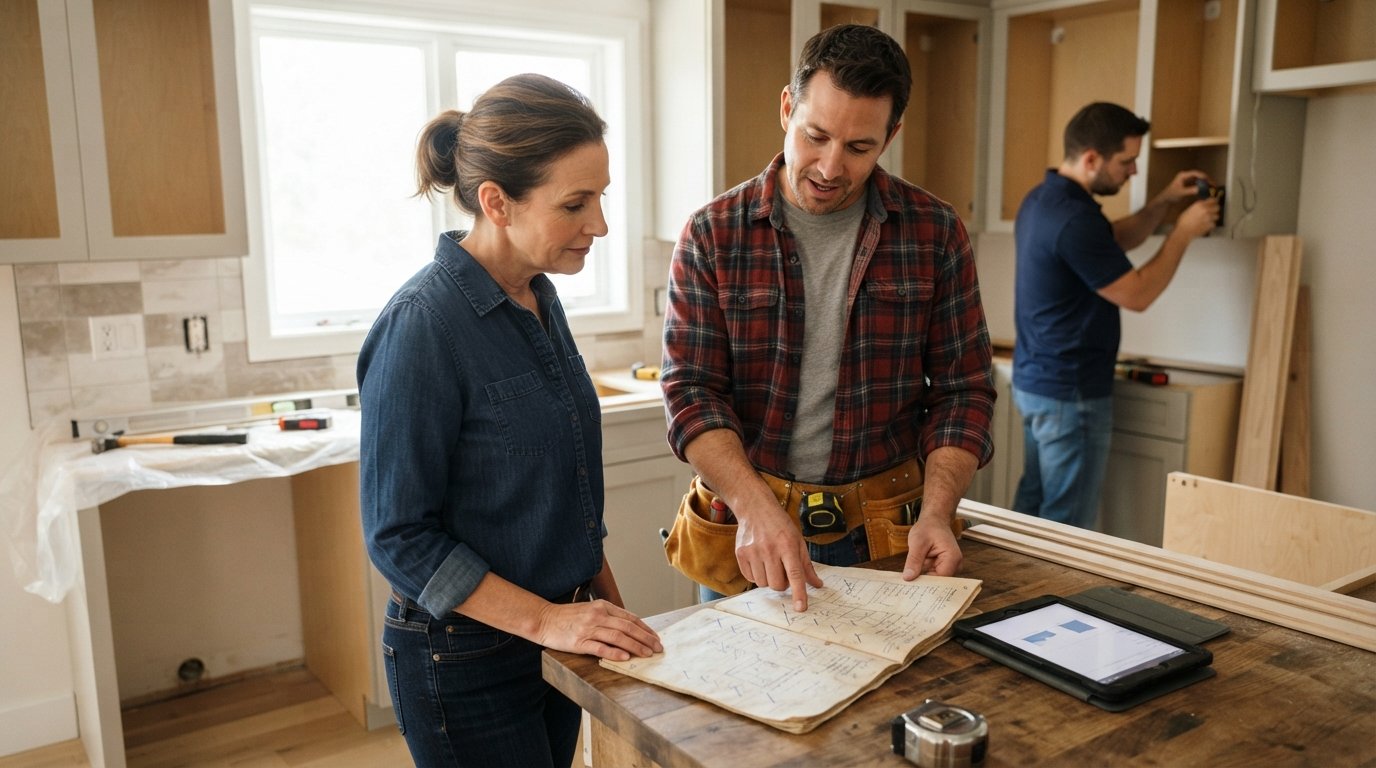
The on-site visit is the most critical part of the estimating process. Expect each contractor to spend 30 to 90 minutes at your home, depending on the project's complexity. They will measure the space, inspect the existing conditions, and ask you detailed questions about your goals, budget, and timeline. This is your opportunity to gauge their communication style and expertise. A good contractor will listen more than they talk, offering suggestions while respecting your preferences.
During the visit, you should ask about the following:
- Their experience with similar projects and whether they have references you can contact.
- Who will be working on the project, whether they use subcontractors, and how they supervise the work.
- How they handle change orders, which are modifications to the original scope, and what the process costs.
- Their estimated timeline for completion and what factors could delay the project.
- Whether they will pull the necessary permits and who is responsible for passing inspections.
Take notes during each visit, and do not be afraid to ask for clarification on anything you do not understand. After the visit, each contractor will follow up with a written estimate, usually within a week. While you wait, keep a record of your interactions, noting any contractor who is slow to respond or avoids answering your questions. These behaviors are often a preview of how they will handle your project.
Comparing Estimates: What to Look For Beyond Price
When the estimates arrive, you might be tempted to sort them by total cost and pick the lowest. Resist that urge. Instead, compare them line by line to understand what each contractor is including. A professional estimate should break down costs into categories such as labor, materials, permits, and cleanup. It should also specify the brands and models of materials, as a lower price might reflect cheaper fixtures or lower-grade lumber.
Pay attention to the scope description. One contractor might include demolition and debris removal in their bid, while another adds it as a separate line item or leaves it out entirely. If you are comparing a $20,000 bid that includes all site prep to an $18,000 bid that excludes it, the difference is not as large as it seems. Also, look for allowances, which are placeholder amounts for items like tile or lighting that you have not yet selected. Make sure the allowances are realistic; a $1,000 allowance for kitchen countertops is likely insufficient.
Here are the key differences to note as you review each proposal:
- Payment schedule: Does the contractor ask for a large deposit upfront, or do they tie payments to project milestones? A typical schedule might be 10% to 20% down, with the balance due upon completion.
- Warranty: What warranty do they offer on workmanship, and does it align with the manufacturer's warranty on materials?
- Timeline: Is the start date realistic, and have they accounted for potential delays like material backorders?
- Cleanup and protection: Does the bid include protecting your floors and furniture, and does it cover daily cleanup and a final haul-away of debris?
- Communication: Who will be your main point of contact, and how quickly do they respond to calls or emails?
Creating a simple comparison spreadsheet can help you visualize these differences. Put the contractor names in columns and the line items in rows, then fill in each estimate's details. This exercise often reveals that the lowest bid is low for a reason, such as omitting permit fees or using unskilled labor. On the other hand, the highest bid might include premium materials and a more generous warranty that justify the extra cost.
The Art of Negotiating and Asking Follow-Up Questions
Once you have narrowed down your choices to two or three contractors, do not be afraid to negotiate. Home improvement pricing is not always set in stone, especially when contractors want to fill their schedule during slower seasons. If you prefer a contractor whose bid is slightly higher than another, ask if they can match the price or include an additional service, such as upgrading the trim or extending the warranty. You might be surprised how often they will accommodate you to win the job.
However, avoid negotiating purely on price without understanding why the bids differ. Instead, ask follow-up questions about specific line items that seem unclear. For example, if one contractor quotes $8,000 for labor while another quotes $5,000, ask the higher bidder what their labor includes, such as having a dedicated project manager or using more experienced tradespeople. Similarly, if one bid is significantly lower, ask the contractor to explain how they can offer that price. A credible contractor will have a logical answer, while a vague response could be a warning sign.
You should also ask for a sample contract before making a final decision. A well-drafted contract should include the full scope of work, a detailed payment schedule, a start and completion date, and a clause for change orders. It should also name the specific materials to be used and outline the process for resolving disputes. If a contractor is hesitant to provide a written contract or pushes you to sign before you have read it, consider that a red flag and move on.
Making Your Final Choice and Avoiding Common Pitfalls
After comparing estimates and asking follow-up questions, you are ready to make a decision. Your final choice should be based on a balance of price, quality, and trust. You want a contractor who offers a fair price, demonstrates a clear understanding of your project, and communicates openly. Check references, ask to see examples of their past work, and verify their license with your local licensing board. If you live in an area where permits are required, confirm that the contractor will handle the permit process, as this protects you from liability if the work is not inspected.
One of the most common mistakes homeowners make is choosing the lowest bid without scrutinizing the scope. This often leads to change orders that inflate the final cost. Another mistake is getting only one estimate and feeling pressured to accept it because you have no baseline. By following the process outlined here, you avoid both of these pitfalls. You also protect yourself from contractors who demand large upfront payments before any work is done, as reputable contractors typically require only a modest deposit or payment tied to milestones.
When you finally sign the contract, keep a copy of the estimate, the contract, and all correspondence. These documents will be your reference points if any disputes arise. Also, plan to communicate regularly with the contractor during the project. Weekly check-ins help you stay informed about progress and allow you to address issues before they become major problems. For more detailed guidance on planning and budgeting for your renovation, check out our comprehensive resource on government grants for home energy upgrades, which can help you offset some costs if your project includes energy-efficient improvements.
Red Flags to Watch For During the Estimating Process
While most contractors are honest professionals, the home improvement industry does have its share of bad actors. Recognizing red flags early can save you from a financial and emotional nightmare. One major warning sign is a contractor who pressures you to make a decision on the spot, saying things like, "This price is only valid if you sign today." Legitimate contractors understand that you need time to compare bids and will not use high-pressure tactics.
Another red flag is a contractor who asks for a large deposit upfront, especially one who wants more than 50% of the total cost before starting any work. This is a common pattern in scams where the contractor takes the money and disappears. Similarly, be cautious if a contractor insists on cash payments or does not provide a written contract. A lack of transparency in the estimating phase often signals trouble during the project itself.
You should also be wary of contractors who discourage you from pulling permits or who say that permits are unnecessary. Permits exist to ensure that work meets safety codes, and skipping them can create serious issues when you try to sell your home. If a contractor suggests working without permits, do not hire them, regardless of how much money it saves. Finally, trust your instincts. If something feels off during the on-site visit, whether it is a contractor who dismisses your concerns or one who cannot clearly explain the work, keep looking.
How to Use Estimates to Strengthen Your Project Plan
Getting multiple estimates is not just about choosing a contractor; it is also an educational experience. Each contractor you meet will bring a different perspective on your project, from suggesting alternate materials that are more durable to pointing out potential structural issues you had not considered. Use these insights to refine your project plan before you sign a contract. For instance, if two contractors recommend adding a vent fan to your bathroom remodel, include it in the final scope even if the third contractor left it out.
Estimates also help you set a realistic budget. If you planned to spend $10,000 on a kitchen update but all three quotes come in at $15,000, you now know that you need to either adjust your expectations or find ways to save, such as refinishing cabinets instead of replacing them. Conversely, if the quotes are lower than expected, you might have room to upgrade your countertops or add a backsplash. This knowledge prevents you from being blindsided by costs later.
As you finalize your plan, consider whether you want to handle any part of the work yourself to save money. For example, you might choose to paint the interior yourself or remove old carpet before the crew arrives. However, be honest about your skills and the time required. Some tasks, like demolition, might seem easy but can lead to unexpected damage if done incorrectly. If you decide to DIY, make sure it is something you can reasonably complete without delaying the contractor.
Making the Most of Your Final Estimate Selection
Once you have selected a contractor, you might wonder if you should continue shopping around. The answer is no. Once you have found a contractor who meets your criteria and whose estimate is within a reasonable range, stop the search. Continuing to collect estimates after you have already made a decision wastes everyone's time and can lead to second-guessing. Instead, focus your energy on preparing your home for the project, such as clearing out the work area and making arrangements for pets or children.
Before work begins, schedule a pre-construction meeting with your contractor to walk through the contract and confirm the start date. This is your last chance to ask questions and clarify expectations. Review the payment schedule and make sure you understand when each payment is due. Also, agree on how changes will be handled, including the process for approving change orders and their cost impact. Good communication at this stage sets a positive tone for the entire project.
As the project progresses, keep a file with your contract, estimates, permits, and all invoices. Regularly inspect the work and address any concerns immediately. If you notice something that deviates from the plan, bring it up with the contractor right away rather than waiting until the end. This proactive approach helps you catch issues early and ensures that the final result matches what you agreed to. When the project is complete, do a final walkthrough to check that all work is finished to your satisfaction before making the final payment.
Getting multiple home improvement estimates may seem like a tedious step, but it is one of the most powerful tools you have for ensuring a successful renovation. It gives you financial protection, insight into contractor professionalism, and the leverage you need to make an informed choice. By following this guide, you are not just collecting bids; you are building a foundation for a project that meets your expectations and your budget. For more tips on managing your home improvement project from start to finish, explore HomeRemodelingsContractors for additional resources and contractor connections. With the right preparation and a clear process, you can approach your project with confidence and enjoy the transformation of your home.