
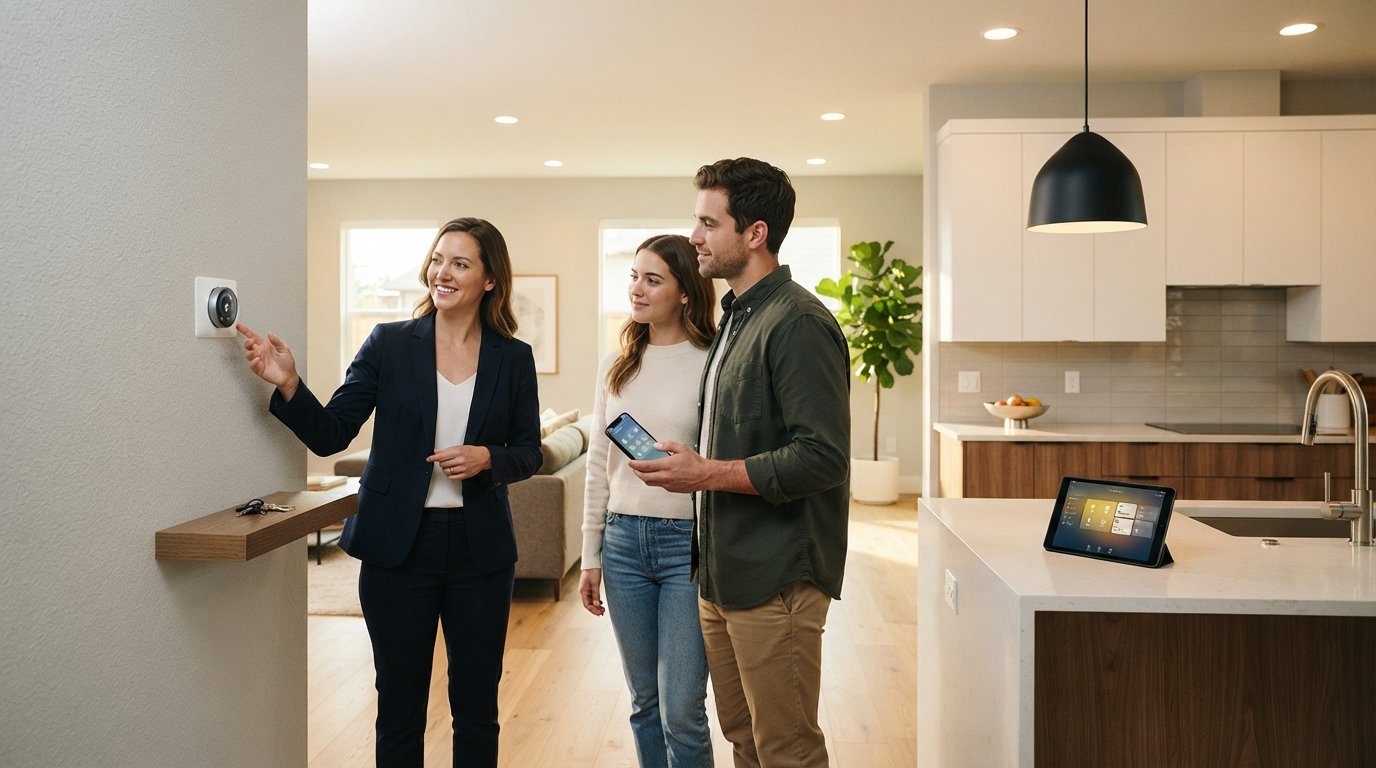
Smart Thermostats and Lighting That Appeal to Home Buyers
Smart thermostats and lighting that appeal to home buyers can lower utility bills and speed up a sale. Call 8333658755 for vetted local pros.

By Oliver Grant
Learn more about Smart Home Installation or Repair for guides, costs, and what to expect.
Compare Smart Home Installation or Repair Pros Near You

Enter your ZIP code to compare top-rated local professionals and request free quotes.
When a buyer walks through your front door, they are not just evaluating the paint and the floors. They are imagining their life in your home, and they are calculating what it will cost to live there. Smart thermostats and lighting that appeal to home buyers do more than look futuristic: they signal lower utility bills, simpler daily routines, and a house that has been cared for. In a market where buyers compare dozens of listings online before ever scheduling a showing, these upgrades have become quiet differentiators that can tip a decision in your favor.
The appeal is not accidental. Energy costs remain a top concern for households across the country, and buyers increasingly search for homes that promise predictable monthly expenses. A thermostat that learns a schedule and lights that turn off when no one is in the room translate directly into savings. They also reduce friction in everyday life, which matters to busy families and remote workers alike. If you are planning a sale or simply want to enjoy a more efficient home, understanding which devices resonate and how to present them is worth the effort.
Why Buyers Notice Smart Climate and Lighting Upgrades
Real estate agents consistently report that buyers respond to features they can immediately understand and use. Smart thermostats and lighting fit that description perfectly. A thermostat mounted in a hallway is visible during every tour, and a well-lit kitchen with automated scenes feels warm and intentional. These devices are not hidden behind walls like insulation or wiring, so their value is easy to see and easy to explain.
Beyond aesthetics, buyers are practical. They want to know what a home will cost to operate. A smart thermostat that adjusts based on occupancy can cut heating and cooling costs by a meaningful percentage each year. Smart LED lighting uses a fraction of the electricity of older bulbs and lasts for years. When a seller can show utility bills or manufacturer estimates, the math becomes persuasive. That is why smart thermostats and lighting that appeal to home buyers often appear in listing descriptions alongside renovated kitchens and updated roofs.
There is also a psychological element. A home with modern controls feels maintained and current. Buyers worry about hidden problems in older properties, and visible technology suggests the owner has invested in the home's systems. This does not replace a solid inspection or a new roof, but it adds a layer of confidence that can influence offers.
Which Smart Thermostats Deliver the Strongest Buyer Appeal
Not all smart thermostats are equal in the eyes of a buyer. The most attractive models share a few traits: they are easy to operate, they work with common voice assistants, and they have a track record of reliability. Brands like Google Nest, Ecobee, and Honeywell Home are widely recognized, which reduces the learning curve for a new owner. Recognition matters because buyers do not want to research a device after they move in.
Energy-saving features are the core selling point. Look for learning algorithms that adapt to household patterns, occupancy sensors that reduce heating or cooling when rooms are empty, and detailed energy reports that show usage over time. Geofencing, which adjusts temperature based on whether anyone is home, is another feature that buyers appreciate. These capabilities turn a basic HVAC system into a responsive one, and they work with most forced-air and heat pump setups.
Installation requirements also affect appeal. A thermostat that requires a C-wire is common in newer homes, but older properties may need a small adapter or a professional install. If you are preparing to sell, it is wise to have the device installed correctly and documented. A buyer who sees exposed wiring or a half-finished setup may question what else was done poorly. When the installation is clean, the thermostat becomes a turnkey benefit.
- Choose a model from a recognized brand with a simple mobile app.
- Confirm compatibility with the home's HVAC system before purchase.
- Enable energy reports so savings can be demonstrated during showings.
- Keep the manual and receipts in a folder for the next owner.
Once the thermostat is in place, treat it as a marketing asset. Mention it in the listing, and during showings, point out how it has reduced monthly bills. If you have utility statements that show a year-over-year decrease, have them ready. Concrete numbers are far more convincing than vague claims about efficiency.
Lighting Choices That Make a Home Feel Modern and Efficient
Lighting is one of the most cost-effective upgrades a seller can make. Smart bulbs from brands like Philips Hue and Wyze are inexpensive, easy to install, and immediately noticeable. They allow a buyer to imagine controlling lights from a phone, setting schedules, and changing colors for different moods. In a dim or oddly lit room, a few smart bulbs can transform the atmosphere during a showing.
Smart switches offer a more permanent solution. They replace standard wall switches and allow control of existing fixtures, which is ideal for ceiling lights and recessed lighting. Lutron Caseta and similar systems are popular because they are reliable and do not require a smart bulb in every socket. For buyers, smart switches signal a thoughtful upgrade that works with the lights they already own.
Outdoor smart lighting is another high-impact area. Motion-activated security lights and app-controlled pathway lights improve safety and curb appeal. They also extend living space into the evening, which is especially attractive in warmer months. If you are working on exterior improvements, pairing smart lighting with landscaping can amplify the effect. For ideas on how to coordinate those projects, see our guide on curb appeal ideas that boost home value fast.
When selecting lighting, prioritize warm white tones for living areas and cooler tones for task spaces like kitchens and garages. Consistency matters: a mix of mismatched color temperatures can make a home feel disjointed. Smart systems let you set scenes, such as a bright morning routine or a relaxed evening setting, which buyers find appealing. Demonstrating these scenes during a showing can create a memorable experience that sets your home apart.
Integration and Ecosystems: What Buyers Expect in 2026
Buyers in 2026 expect smart devices to work together. A thermostat that cannot communicate with other systems feels limited, while one that integrates with a broader smart home platform feels like part of a cohesive setup. Major ecosystems include Amazon Alexa, Google Home, Apple HomeKit, and Samsung SmartThings. Choosing devices that support at least one of these platforms increases the pool of interested buyers.
Interoperability also reduces the risk of a device becoming obsolete. If a buyer already uses Alexa, a thermostat that works with Alexa is more valuable than one that requires a separate app. The same logic applies to lighting. Smart switches and bulbs that support multiple platforms give the next owner flexibility. This flexibility is a subtle but powerful selling point.
Do not overlook the importance of a reliable network. Smart devices depend on a stable Wi-Fi connection, and a weak signal can undermine the entire experience. If your router is older or your home has dead zones, consider upgrading to a mesh system. A buyer who cannot connect a thermostat during a walkthrough may view the technology as a burden rather than a benefit.
Security and privacy are also top of mind. Use devices from reputable manufacturers that provide regular firmware updates and clear privacy policies. Avoid ultra-cheap generic devices that may lack support. When you can assure a buyer that the smart features are secure and well-supported, you remove a potential objection.
Installation, Documentation, and Handoff
The way you hand off smart devices can make or break their perceived value. A buyer who inherits a tangle of unlabeled apps and forgotten passwords will not appreciate the upgrade. Take time to create a simple handoff package. This should include the device manuals, a list of apps and login credentials (or instructions to reset), and a brief note explaining how the systems work.
If you are not comfortable installing the devices yourself, hire a qualified professional. Electricians and smart home integrators can ensure that thermostats and switches are wired correctly and that everything is tested. This is especially important for thermostats that control HVAC equipment, where a mistake can be costly. A professional installation also gives you documentation that can be shared with buyers.
For homeowners planning broader improvements, it helps to work with contractors who understand both the technical and aesthetic aspects of smart upgrades. Platforms like HomeRemodelingsContractors connect homeowners with experienced local pros who can handle installation, repairs, and upgrades, often with free estimates. Having a trusted professional involved ensures the job is done right and that the smart features actually deliver the promised benefits.
During showings, demonstrate the devices. Turn lights on and off with your phone, adjust the thermostat, and show the energy savings report. Buyers are more likely to value what they can see in action. A short demonstration can turn a vague feature into a tangible advantage.
Maximizing Return on Investment
Smart thermostats and lighting are not the most expensive upgrades, but they can deliver a strong return when positioned correctly. A thermostat typically costs between $150 and $300, and smart bulbs range from $10 to $50 each. Smart switches can cost $40 to $60 per unit, plus installation. Compared to a kitchen remodel, these are modest investments that can influence a buyer's overall impression.
The return comes in two forms: actual energy savings while you live in the home, and perceived value at sale time. Even if a buyer does not pay a premium for the devices themselves, they may be more willing to meet your asking price because the home feels updated and efficient. In competitive markets, that edge can be decisive.
To maximize ROI, focus on high-visibility areas. The main living spaces and the primary bedroom are where buyers spend the most time during a showing. A smart thermostat in a central hallway and smart lighting in the kitchen and living room will be noticed. Avoid over-investing in rooms that buyers rarely inspect, such as a guest bedroom or a basement storage area.
Keep receipts and warranty information. Some manufacturers offer transferable warranties, which can be a selling point. If a device is still under warranty, mention it in the listing. It reassures buyers that they are not inheriting a soon-to-fail system.
Common Mistakes to Avoid
One of the biggest mistakes is installing smart devices without testing them. A thermostat that does not connect or a light that flickers will create doubt. Test every device thoroughly before listing your home, and fix any issues. Another mistake is choosing incompatible devices that require multiple apps and hubs. This creates complexity rather than convenience.
Over-automation is another pitfall. Some sellers set up elaborate routines that confuse buyers or make the home feel impersonal. Keep the setup simple and intuitive. The goal is to show how easy it is to control the home, not to demonstrate technical prowess.
Finally, do not ignore the basics. Smart thermostats and lighting that appeal to home buyers work best when the underlying systems are in good shape. A smart thermostat cannot compensate for a failing HVAC unit, and smart bulbs cannot fix outdated wiring. Address any maintenance issues first, then add the smart layer.
Frequently Asked Questions
Do smart thermostats and lighting really increase home value?
They can increase perceived value and make a home more marketable, especially in competitive markets. While they may not add a specific dollar amount to an appraisal, they contribute to the overall impression of a well-maintained, efficient home. Buyers often prioritize homes with lower projected utility costs, and these devices support that narrative.
Which smart thermostat is best for resale?
Models from Google Nest, Ecobee, and Honeywell Home are widely recognized and tend to appeal to the broadest range of buyers. Choose a model with learning capabilities, occupancy sensing, and support for major voice assistants. Compatibility with the home's HVAC system is essential.
Should I leave smart bulbs or switches when I sell?
Yes, leave them installed and include documentation. Removing them creates holes in the smart home story and may require buyers to replace fixtures. If you want to keep certain devices, replace them with standard alternatives before listing, but be transparent about what conveys.
How do I demonstrate smart features during a showing?
Create a simple routine that you can trigger with your phone or a voice command. Show how the thermostat adjusts and how lights respond. Keep it brief and focus on the benefits: comfort, convenience, and savings. Have energy reports available if possible.
Smart thermostats and lighting that appeal to home buyers are more than gadgets. They are practical tools that reduce costs, simplify daily life, and signal that a home is ready for modern living. By choosing reliable devices, installing them correctly, and presenting them well, you can turn these upgrades into meaningful advantages at sale time. Whether you are selling soon or simply want a more efficient home, the investment is one that pays off in comfort and confidence.