
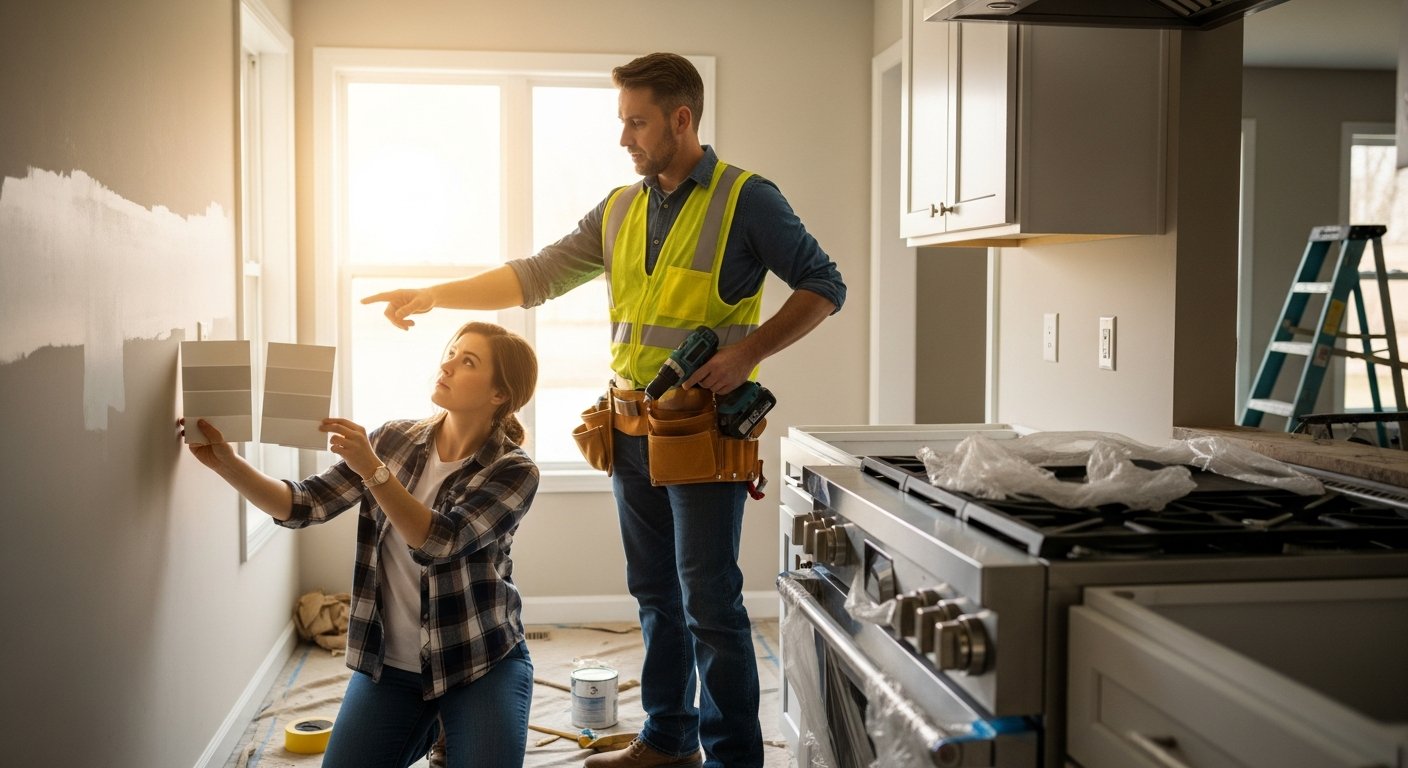
Smart Property Upgrades That Boost Home Value
Discover the most effective property upgrades for 2026 that boost value, save money, and fit your budget.

By Liam Weston
Learn more about Home Remodeling for guides, costs, and what to expect.
Compare Home Remodeling Pros Near You

Enter your ZIP code to compare top-rated local professionals and request free quotes.
When you own a home, the list of possible improvements can feel endless. New paint, updated fixtures, a finished basement, or a modern kitchen all compete for your attention and your budget. The challenge is not finding ideas; it is choosing the right property upgrades that deliver real returns without turning your life upside down or emptying your savings. Whether you plan to sell soon or simply want to enjoy your space more, focusing on strategic improvements makes all the difference.
This guide walks you through the most effective upgrades for 2026, how to prioritize them, and how to avoid common pitfalls. You will learn which projects offer the best return on investment, which ones you can tackle yourself, and when to bring in a professional. By the end, you will have a clear action plan that fits your budget and your goals.
Why Strategic Property Upgrades Matter
Not all renovations are created equal. A high-end pool might be a dream come true for you, but it could be a dealbreaker for a potential buyer who worries about maintenance costs. On the other hand, a simple kitchen refresh or a new front door can make your home more attractive to a wide range of people. The key is to think about the balance between personal enjoyment and market appeal.
Strategic property upgrades also help you avoid the trap of over-improving your home. If you spend $80,000 on a luxury kitchen in a neighborhood where homes typically sell for $250,000, you are unlikely to recoup that investment. Understanding your local market and the expectations of future buyers is just as important as the quality of the work itself. That is why a little planning goes a long way.
High-Impact Upgrades You Should Consider
Some projects consistently deliver strong returns, both in terms of daily enjoyment and resale value. The following list highlights the most reliable property upgrades for 2026. These are not fads; they are improvements that address what homeowners and buyers actually want.
- Kitchen remodels: A full renovation can cost thousands, but even minor updates like new cabinet doors, a modern backsplash, or energy-efficient appliances can transform the heart of your home.
- Bathroom renovations: Updated bathrooms are a top priority for buyers. Replacing an old vanity, adding a walk-in shower, or installing better lighting can make a big impact.
- Energy-efficient windows and insulation: These upgrades lower utility bills and make your home more comfortable. They are also highly attractive to eco-conscious buyers.
- Curb appeal enhancements: New siding, a fresh coat of exterior paint, or a well-maintained lawn create a strong first impression that sets the tone for the entire property.
- Outdoor living spaces: Decks, patios, and functional landscaping extend your living area and are increasingly popular among buyers who value indoor-outdoor flow.
Each of these projects can be scaled to fit your budget. A minor kitchen update might cost a few thousand dollars, while a full remodel could run $30,000 or more. The return on investment varies, but these areas consistently rank high in national surveys. For example, a midrange minor kitchen remodel recovers about 80% of its cost at resale, according to industry data.
How to Prioritize Your Upgrades
With so many possibilities, how do you decide what to tackle first? Start by evaluating your goals. If you are planning to sell within the next two years, focus on projects that maximize resale value. If you are staying put, prioritize upgrades that improve your daily comfort and energy efficiency.
Next, consider the condition of your home. A leaky roof or outdated electrical panel should take precedence over cosmetic updates. Safety and structural integrity always come first. Once those issues are resolved, you can shift your attention to aesthetic improvements that make your home more enjoyable.
Finally, think about the level of disruption you can handle. A bathroom remodel can take weeks and require you to adjust your routines. A painting project might only take a weekend. If you need to live in your home while work is happening, choose projects that can be completed in stages or that do not affect essential spaces.
DIY vs. Hiring a Professional
One of the biggest decisions you will make is whether to handle a project yourself or hire a contractor. The answer depends on the complexity of the job, your skill level, and your budget. Simple tasks like painting, installing new hardware, or landscaping are often manageable for ambitious homeowners. These DIY property upgrades can save you money on labor and give you a sense of accomplishment.
However, more complex projects should be left to the pros. Electrical work, plumbing, structural changes, and large-scale renovations require specialized knowledge and permits. Attempting these tasks without experience can lead to costly mistakes, safety hazards, and even legal issues. For example, a faulty electrical installation is not just a fire risk; it can also invalidate your home insurance.
When you do hire a professional, take the time to find the right one. Ask for recommendations from friends and family, read online reviews, and request multiple quotes. A reputable contractor will be happy to provide references and explain their process. They should also be licensed and insured, which protects you if something goes wrong.
Budgeting for Your Property Upgrades
Money is often the biggest obstacle to home improvement. The good news is that you do not need a fortune to make meaningful changes. Start by setting a realistic budget based on your savings and your home's value. A common rule of thumb is to spend no more than 10% to 15% of your home's value on a single major renovation, but this varies by project and region.
To get accurate numbers, request free estimates from multiple contractors. This not only gives you a sense of the going rate but also helps you identify any hidden costs. Be wary of quotes that seem too good to be true; they often are. A low bid might mean lower-quality materials or a contractor who cuts corners.
Once you have estimates, prioritize your projects based on what you can afford. You might decide to do a full kitchen remodel or break it into phases: new appliances this year, new countertops next year, and new flooring the year after. This approach lets you spread out the cost and minimize disruption.
Financing Options for Larger Projects
If you do not have enough cash on hand, there are several ways to finance your property upgrades. A home equity loan or line of credit allows you to borrow against the value of your home, often at lower interest rates than personal loans. Cash-out refinancing is another option, though it involves replacing your current mortgage with a larger one.
For smaller projects, a personal loan or a credit card with a 0% introductory APR might be sufficient. Just be careful with high-interest debt, as it can quickly erase the financial benefits of your upgrade. Make sure you have a clear repayment plan before you borrow.
Some contractors also offer financing options, but these can come with high interest rates. It is always wise to compare terms and consult a financial advisor if you are unsure about the best approach.
Eco-Friendly Upgrades That Pay Off
Energy efficiency is no longer a niche concern; it is a mainstream priority for homeowners. Upgrades that reduce your carbon footprint also reduce your utility bills, making them a smart investment in more ways than one. Here are some of the most popular eco-friendly property upgrades:
- Solar panels: The upfront cost is significant, but federal tax credits and long-term savings on electricity make them attractive.
- Smart thermostats: These devices learn your schedule and adjust heating and cooling automatically, saving up to 10% on energy costs.
- Low-flow fixtures: Water-efficient toilets and showerheads cut water usage without sacrificing performance.
- LED lighting: Replacing incandescent bulbs with LEDs is one of the cheapest and easiest ways to save energy.
These upgrades not only benefit the environment but also increase your home's appeal. Many buyers are willing to pay a premium for a home with lower operating costs. Plus, you get to enjoy those savings while you live there.
Common Mistakes to Avoid
Even well-intentioned homeowners can make costly errors when planning property upgrades. One of the most common mistakes is ignoring the local market. What works in one neighborhood might not work in another, so it is crucial to understand what buyers in your area are looking for.
Another mistake is focusing too much on personal taste. That neon accent wall or custom wine cellar might be perfect for you, but it could alienate potential buyers. Aim for neutral, timeless choices that have broad appeal. You can always add personal touches with furniture and decor, which you can take with you when you move.
Finally, do not underestimate the importance of quality workmanship. Cutting corners to save money can lead to problems down the road, such as water damage, structural issues, or code violations. It is better to hire a skilled contractor and do the job right the first time.
Working with Contractors: Tips for Success
Finding the right contractor is essential to the success of your project. Start by getting recommendations from people you trust. Then, interview at least three candidates. Ask about their experience, licensing, insurance, and whether they have handled similar projects. Request a written estimate that details the scope of work, materials, and timeline.
Communication is key. Make sure you are on the same page about the project's goals, budget, and schedule. A good contractor will keep you informed throughout the process and address any concerns promptly. If something feels off, do not be afraid to ask questions or seek a second opinion.
When you are ready to move forward, use a platform like BuySellRemodel to connect with vetted local contractors. They make it easy to get free estimates and compare your options, so you can make an informed decision without the hassle of cold-calling random companies.
Making Your Upgrades Last
Property upgrades are an investment, and you want them to last. Regular maintenance is key. For example, if you install a new deck, seal it every few years to protect it from the elements. If you upgrade your HVAC system, change the filters regularly and schedule annual tune-ups.
Also, keep records of all work done, including warranties and receipts. This documentation is valuable if you ever need to make a claim or if you decide to sell. It shows potential buyers that the home has been well cared for.
Finally, do not forget to enjoy your improvements. The whole point of upgrading your home is to make it a better place to live. Whether you are hosting gatherings on your new patio or relaxing in a renovated bathroom, take pride in what you have accomplished.
Ultimately, the best property upgrades are the ones that align with your lifestyle, your budget, and your long-term goals. By planning carefully, choosing projects wisely, and working with trusted professionals, you can transform your home into a space that brings you joy and adds real value to your life.