
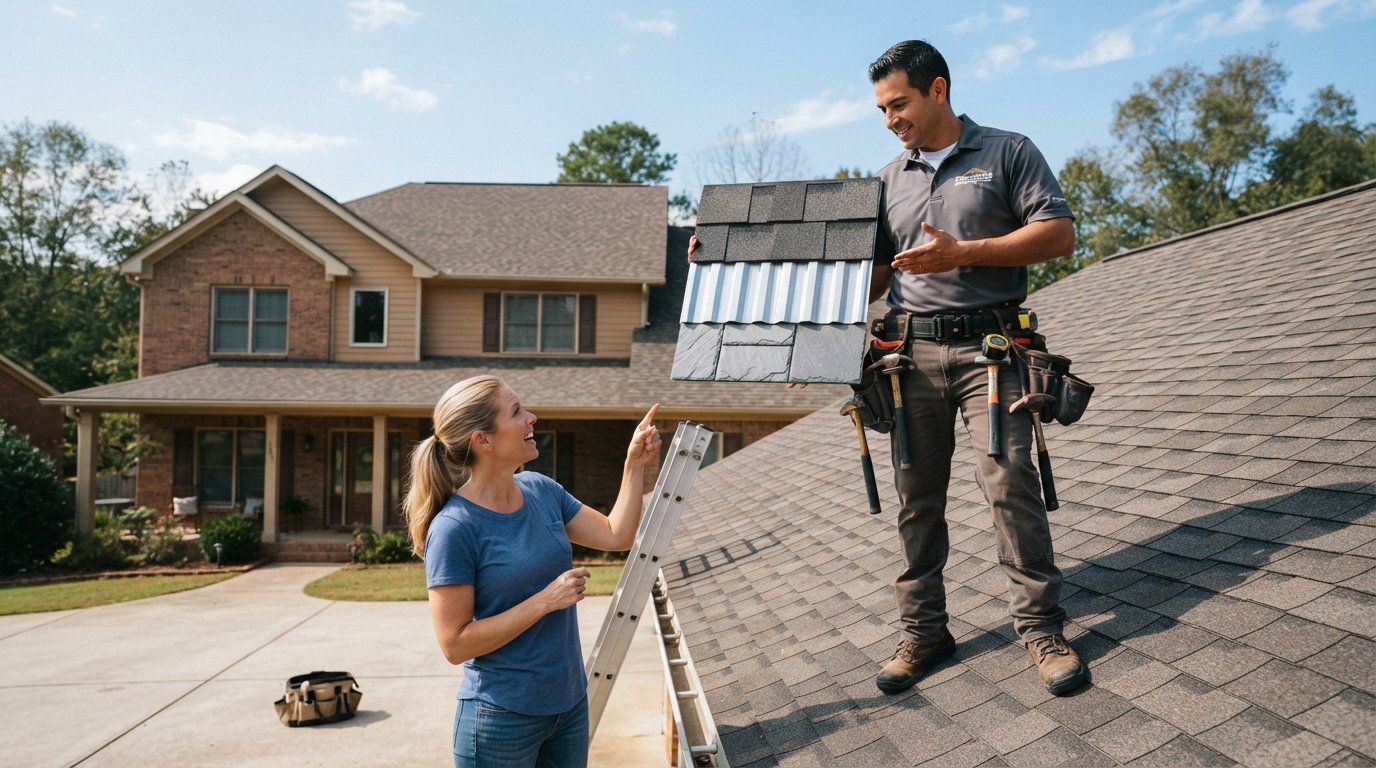
Roofing Materials Compared: Asphalt vs Metal vs Synthetic
Compare asphalt, metal, and synthetic roofing materials to find the best balance of cost, durability, and style for your home.

By Liam Weston
Learn more about Roof Installation or Replacement for guides, costs, and what to expect.
Compare Roof Installation or Replacement Pros Near You

Enter your ZIP code to compare top-rated local professionals and request free quotes.
Your roof is your home's first line of defense, yet choosing its material can feel overwhelming. With so many options on the market, how do you know which one truly fits your budget, climate, and long-term goals? This roofing materials comparison asphalt vs metal vs synthetic breaks down the real-world differences in cost, durability, maintenance, and curb appeal so you can make a confident choice. Whether you are repairing storm damage or planning a full replacement, understanding these three popular categories is the first step to protecting your biggest investment.
Why This Roofing Materials Comparison Matters
The roof over your head does far more than keep rain out. It affects your energy bills, your home's resale value, and even your insurance premiums. A well-chosen roof can last decades with minimal fuss, while a poor match for your climate or budget can lead to leaks, high maintenance, and early replacement. That is why a thoughtful roofing materials comparison asphalt vs metal vs synthetic is not just about picking a color or style; it is about aligning your choice with your household's needs.
Many homeowners start their search by typing "roofing materials comparison asphalt vs metal vs synthetic" into a search engine, hoping for a clear winner. The truth is that no single material is best for every home. Your decision should weigh upfront costs against lifespan, aesthetic preferences against performance in extreme weather, and DIY potential against professional installation requirements. This guide walks through each material's strengths and weaknesses, then offers a practical framework for making your final call.
Asphalt Shingles: The Affordable Workhorse
Asphalt shingles dominate the residential roofing market, and for good reason. They are inexpensive, widely available, and familiar to most contractors. If you drive through any suburban neighborhood, you will see them on the majority of homes, usually in shades of gray, brown, or black. Their popularity means installation is straightforward, and repairs are rarely complicated. For homeowners who want a proven solution without breaking the bank, asphalt is often the default starting point.
However, not all asphalt shingles are created equal. You will find two main types: architectural (also called dimensional) and three-tab. Architectural shingles are thicker, heavier, and more durable, with a textured appearance that mimics wood or slate. Three-tab shingles are lighter, flatter, and less expensive, but they offer a shorter lifespan and less visual interest. In most cases, architectural shingles are worth the extra cost because they withstand wind and impact better, and they carry longer warranties.
Pros and Cons of Asphalt Shingles
- Pros: Lowest upfront cost, easy to install, widely available, decent fire resistance, and simple to repair.
- Cons: Shorter lifespan (20 to 30 years), prone to algae and moss in humid climates, vulnerable to high winds and hail, and not the most eco-friendly option due to petroleum content.
For a budget-conscious homeowner, asphalt is hard to beat. A typical asphalt roof costs between $5,000 and $12,000 for a standard 2,000 square foot home, depending on the shingle quality and your region. That low entry price frees up cash for other projects, like gutter upgrades or attic insulation. Yet, you must plan for replacement sooner than you would with metal or synthetic options. If you expect to stay in your home for 20 years or less, asphalt can be a perfectly rational financial choice.
One hidden benefit of asphalt is its recyclability. Many manufacturers now recycle old shingles into pavement or new roofing products. If sustainability matters to you, look for brands that participate in take-back programs. Also, consider lighter-colored shingles with reflective granules to reduce heat absorption, which can lower your cooling costs in hot summers. These small choices can make asphalt a more efficient option than its reputation suggests.
Metal Roofing: Longevity and Energy Efficiency
Metal roofing has moved from barns and industrial buildings to upscale homes, and its popularity keeps climbing. Available in steel, aluminum, and copper, metal roofs offer exceptional durability, often lasting 50 years or more. They handle extreme weather with ease, shedding snow and hail while resisting high winds that would tear off asphalt shingles. Homeowners also appreciate metal's modern, clean lines and the variety of styles, including standing seam panels and metal shingles that mimic slate or wood.
The biggest hurdle for most buyers is the upfront cost. Metal roofs typically run two to three times more than asphalt, with prices ranging from $15,000 to $35,000 for an average home. That sticker shock fades when you consider the lifespan. A metal roof can outlast two or three asphalt roofs, meaning you may never install another roof again if you stay in the house. Plus, metal is 100% recyclable at the end of its life, making it a standout for eco-conscious homeowners.
Pros and Cons of Metal Roofing
- Pros: Exceptional longevity, superior weather resistance, energy efficient (reflects solar heat), low maintenance, and fireproof.
- Cons: High initial investment, can dent from large hail or falling branches, expansion and contraction noise during temperature swings, and requires specialized installation skills.
Energy savings are a major selling point. A cool metal roof with reflective coatings can reduce cooling costs by 10% to 25% in hot climates, depending on your home's insulation and local energy rates. That translates to real dollars over time, helping offset the higher purchase price. Additionally, many insurance companies offer discounts for metal roofs because they are less likely to sustain storm damage. Check with your provider; a premium reduction can sweeten the deal.
Installation quality is critical for metal. Poorly installed panels can leak at fasteners or fail to handle thermal movement. Always hire a contractor with specific metal roofing experience, not just a general roofer who has done a few metal jobs. Ask for references and inspect completed projects in your area. A well-installed metal roof is nearly maintenance-free, but a bad one can cause headaches for years. Take your time vetting pros, and do not be afraid to request a detailed quote that includes underlayment, trim, and flashing.
Synthetic Roofing: The Innovative Alternative
Synthetic roofing materials are the new kids on the block, but they are growing fast. Made from polymers, rubber, or recycled plastics, synthetics are engineered to mimic the look of natural materials like slate, wood shake, or clay tile without the weight, cost, or fragility. You can get the rich, textured appearance of cedar shakes or the elegant profile of slate at a fraction of the price. For homeowners who love high-end aesthetics but hate high-end maintenance, synthetic is a game-changer.
These materials are incredibly durable, often resisting impact, fire, and rot better than the natural products they imitate. They are also lightweight, which simplifies installation and reduces stress on your home's structure. Many synthetic roofs carry warranties of 50 years or more, signaling manufacturers' confidence in their longevity. While still not as common as asphalt, synthetic is becoming easier to find through specialty roofing suppliers and contractors.
Pros and Cons of Synthetic Roofing
- Pros: Authentic look without the weight, excellent impact resistance, low maintenance, eco-friendly options (recycled content), and long warranties.
- Cons: Higher cost than asphalt (though less than premium natural materials), limited contractor availability in some regions, and relatively new track record compared to asphalt or metal.
For example, synthetic slate can cost between $10,000 and $25,000 installed, depending on the product and your roof's complexity. That is more than asphalt but significantly less than natural slate, which can exceed $50,000. Synthetic shake offers similar savings over real cedar. If you want the prestige of a luxury roof without the six-figure price tag, synthetic is a smart middle ground.
One caution: not all synthetic products are equal. Look for brands with proven performance in your climate, and check for third-party certifications like UL 2218 for impact resistance or ASTM testing for wind uplift. Also, because synthetics are lighter, you may need additional underlayment or fastening systems to ensure they stay put in high winds. A knowledgeable contractor who has installed the specific product you choose is essential for maximizing its lifespan.
Comparative Cost and Lifespan Analysis
When you look at roofing materials comparison asphalt vs metal vs synthetic, the numbers tell a clear story. Asphalt is the cheapest to buy and install, but it wears out fastest. Metal costs more upfront but can last two or three times longer. Synthetic sits in the middle on both price and durability, though its lifespan can rival metal if you choose a premium product. Here is a quick snapshot for a typical 2,000 square foot roof:
- Asphalt (architectural): $5,000 to $12,000 installed; lifespan of 20 to 30 years.
- Metal (standing seam): $15,000 to $35,000 installed; lifespan of 40 to 70 years.
- Synthetic (slate or shake look): $10,000 to $25,000 installed; lifespan of 40 to 50 years.
These figures are averages and can vary based on your location, roof pitch, complexity, and the specific materials you choose. Labor costs differ significantly between regions, with urban areas often charging more. Always get multiple quotes from licensed contractors, and ask for a detailed breakdown of materials and labor so you can compare apples to apples.
Think about your time horizon. If you plan to move within 10 years, asphalt is likely your most cost-effective choice, as you will not benefit from a longer-lasting roof. If you are settling in for the long haul, metal or synthetic can save you money over three decades because you avoid repeated replacement costs. Also, consider resale value: a high-end metal or synthetic roof can be a strong selling point, while an aging asphalt roof may make buyers ask for a credit.
Climate and Weather Performance
Your local climate should heavily influence your choice. In areas prone to hurricanes, hailstorms, or heavy snow, durability matters more than upfront savings. Metal excels in wind and snow, as panels shed precipitation quickly and resist uplift when properly fastened. Asphalt can suffer from granule loss in hail and is vulnerable to wind damage at the edges. Synthetic materials often have high impact ratings, making them suitable for hail-prone regions.
In hot, sunny climates, metal's reflective properties help keep your home cooler, reducing air conditioning loads. Asphalt absorbs heat, pushing your cooling bills up. Synthetic products vary; some are designed with cool-roof pigments that reflect solar radiation. Look for Energy Star ratings or cool roof certifications when comparing specific products.
In cold climates, ice dams are a concern. Metal roofs shed snow more readily, reducing the chance of ice buildup at the eaves. Asphalt's dark surface can absorb heat and melt snow unevenly, which may contribute to damming. Synthetic roofs, especially those with a textured profile, can hold snow, but their smooth underlayment and proper ventilation help mitigate issues. Always ensure your roof has adequate insulation and ventilation regardless of material.
Maintenance and Repair Considerations
No roof is truly zero-maintenance, but some demand far more attention than others. Asphalt shingles can crack, curl, or lose granules over time, especially after severe weather. You may need to replace individual shingles or reseal flashing around chimneys and vents. Moss and algae can grow in damp, shaded areas, requiring cleaning or zinc strips to prevent discoloration.
Metal roofs are low-maintenance, but they are not invincible. Scratches can lead to rust if the protective coating is breached, and loose fasteners can cause leaks. Periodic inspections, especially after storms, can catch small issues before they escalate. Synthetic roofs are designed to resist rot, insects, and UV damage, but they can be susceptible to punctures from falling branches or improper foot traffic. Extreme temperature swings can cause some polymers to expand and contract, so check for cracks around penetrations.
For all three materials, annual inspections by a professional are wise. A roofer can spot loose flashing, worn seals, or early signs of water infiltration. Simple maintenance like cleaning gutters and trimming overhanging branches can add years to any roof's life. If you are not comfortable working at height, hire a contractor for routine checks, especially after major storms.
Environmental Impact and Sustainability
Homeowners increasingly ask about the environmental footprint of their roofing choices. Asphalt shingles are petroleum-based, though recycling programs are improving. Metal is highly recyclable, with most new roofs made from a high percentage of recycled steel or aluminum. Synthetic products vary; many use recycled rubber or plastic, but some are virgin polymers that are not biodegradable. Check the product's recycled content and end-of-life options before buying.
Energy efficiency is another environmental factor. A cool roof that reflects solar heat reduces your home's energy consumption, lowering greenhouse gas emissions from power plants. Metal and some synthetic products perform well here, while dark asphalt absorbs heat. In urban areas, cool roofs also mitigate the heat island effect, making your neighborhood more comfortable.
Longevity matters too. A roof that lasts 50 years requires fewer resources for manufacturing and disposal than one replaced every 20 years. From a lifecycle perspective, metal and high-end synthetic roofs can be more sustainable despite their higher upfront material costs. If eco-friendliness is a priority, ask contractors about products with Environmental Product Declarations (EPDs) or third-party green certifications.
Making Your Final Decision
By now, you understand the trade-offs in this roofing materials comparison asphalt vs metal vs synthetic. To make your final choice, start by clarifying your budget and your plans for the home. Then, consider your local climate and the architectural style of your house. A sleek metal roof may look out of place on a rustic cottage, while synthetic shake can enhance a traditional or modern design. Drive around your neighborhood and see what materials are common; that often reflects what performs well locally.
Next, talk to at least three licensed roofing contractors. Ask for references, check their insurance, and request detailed quotes that specify the exact materials, underlayment, and warranty coverage. A reputable pro will help you weigh the pros and cons in the context of your specific roof's pitch, size, and current condition. They can also point out potential issues, like inadequate decking or old flashing, that might affect your material choice.
Finally, factor in your own comfort with maintenance. If you want a set-it-and-forget-it solution, metal or premium synthetic may be worth the investment. If you prefer a lower initial cost and do not mind occasional upkeep, asphalt is a reliable, budget-friendly option. Whichever route you choose, proper installation is non-negotiable. Even the best material will fail if it is not installed correctly. Take your time, do your homework, and you will enjoy a safe, attractive roof for decades to come.
For more guidance on planning your roof replacement and connecting with trusted local contractors, visit HomeRemodelingsContractors to compare free estimates and find experienced pros in your area.