
How to Prioritize Home Renovation Projects on a Tight Budget
Plan smart renovations without overspending. Call 8333658755 for free estimates and expert help prioritizing projects that protect your home and budget.

By Amelia Reed
Learn more about Home Remodeling for guides, costs, and what to expect.
Compare Home Remodeling Pros Near You

Enter your ZIP code to compare top-rated local professionals and request free quotes.
Your roof is leaking, the kitchen cabinets are falling apart, and the bathroom vanity has seen better days. With a limited budget, every project feels urgent, yet you cannot afford to tackle everything at once. The good news is that you do not need to. Learning how to prioritize home renovation projects on a tight budget is a skill that separates homeowners who drown in stress from those who steadily transform their homes without financial regret. The key lies in a disciplined framework that weighs urgency, safety, return on investment, and long-term savings potential before you spend a single dollar.
Start With a Full Property Assessment Before You Spend
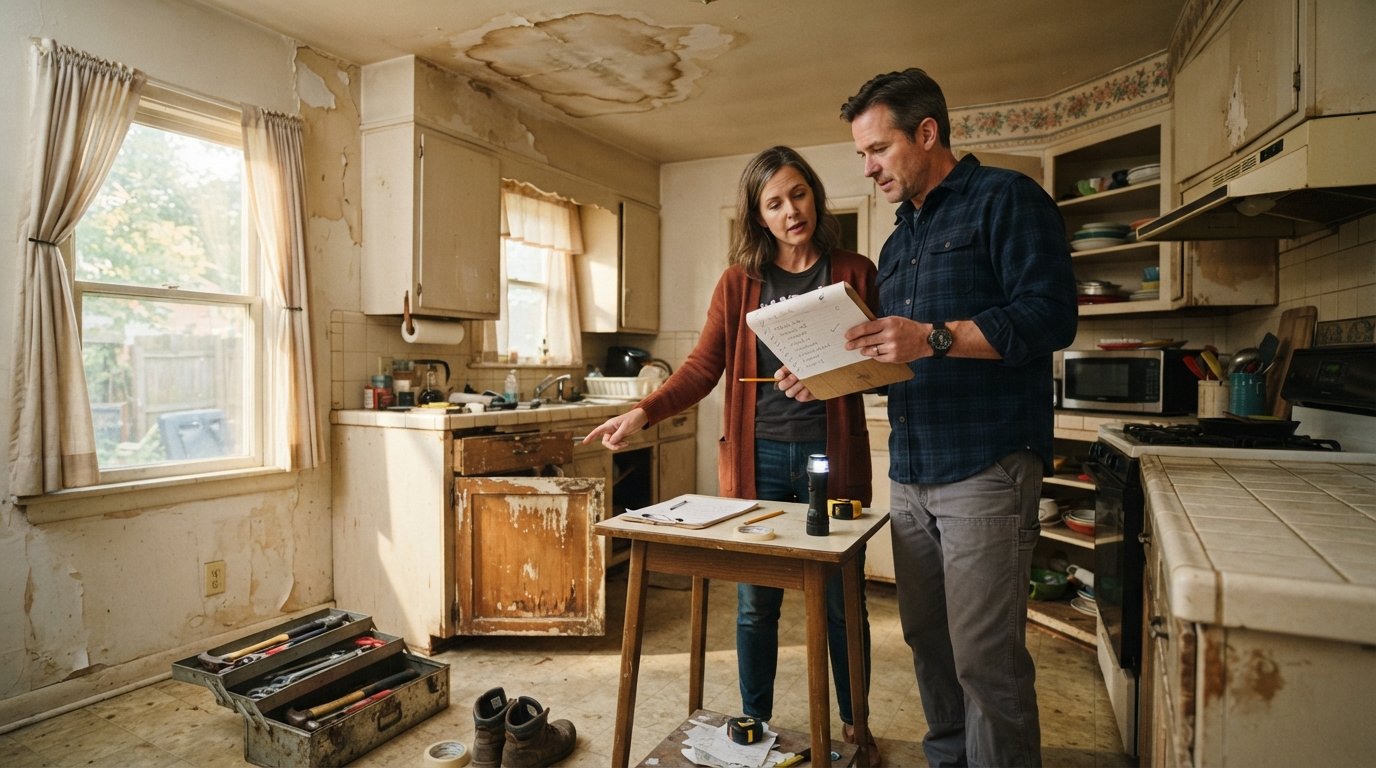
Before you can rank projects, you need an honest inventory of what your home actually needs. Walk through every room, the attic, the basement, and the exterior. Note visible damage, outdated systems, and cosmetic flaws. Then separate your list into two columns: needs and wants. Needs include anything affecting safety, structural integrity, or essential function, such as a failing furnace, a leaking roof, or outdated electrical wiring. Wants are upgrades that improve comfort or aesthetics, like quartz countertops or a spa-style shower.
This assessment is not about being pessimistic. It is about being realistic. Many homeowners skip this step and end up spending their entire budget on a cosmetic kitchen refresh while a hidden plumbing issue quietly worsens behind the walls. A professional home inspection or a consultation with a licensed contractor can uncover problems you might miss. If you are unsure where to start, connecting with experienced local contractors through platforms like HomeRemodelingsContractors can give you a clear picture of what your home truly needs and what it will cost.
Once your list is complete, assign a rough cost estimate to each item. You do not need precise quotes yet, but you should have a ballpark range. This exercise alone often reveals that what felt like ten urgent projects is really three critical ones and seven optional upgrades. That clarity is the foundation of smart budgeting.
The Core Framework: How to Rank Projects When Money Is Tight
With your assessment in hand, you can apply a prioritization framework. The most effective approach weighs four factors: safety risk, structural impact, return on investment, and daily quality of life. A project that scores high on multiple factors moves to the top of the list. A project that only improves aesthetics can wait.
Here is a practical ranking system you can apply immediately:
- Safety and health hazards first: Address mold, asbestos, gas leaks, faulty wiring, and structural damage before anything else. These are non-negotiable.
- Systems that protect your home: Roofing, plumbing, HVAC, and drainage issues prevent minor problems from becoming catastrophic expenses.
- High-ROI improvements: Projects like minor kitchen updates, insulation, and energy-efficient window replacements often recoup a significant portion of their cost at resale.
- Comfort and lifestyle upgrades: Bathroom refreshes, flooring, and paint fall here. They matter, but they can wait until the fundamentals are handled.
- Purely cosmetic wishes: Designer fixtures, custom cabinetry, and luxury finishes come last when the budget is tight.
This order is not arbitrary. It reflects the reality that deferred maintenance almost always costs more than proactive repair. A two hundred dollar plumbing fix today can become a five thousand dollar water damage claim next year. Similarly, ignoring a small roof leak can lead to mold remediation, insulation replacement, and structural repairs that dwarf the original problem.
It is also worth noting that your insurance company may have opinions about your renovation plans. In our guide on home insurance coverage for renovation projects, we explain how to keep your policy valid and avoid coverage gaps during major work. That is a critical step that many homeowners overlook until it is too late.
Budgeting Strategies That Stretch Every Dollar
Once you know what to tackle first, the next challenge is making your money go further. A tight budget does not mean you are stuck with cheap materials or shoddy workmanship. It means you need to be strategic about where you spend and where you save.
One of the most effective strategies is phasing. Instead of trying to complete an entire kitchen remodel in one shot, break it into stages. Phase one might be replacing the cabinet hardware, painting, and upgrading lighting. Phase two could be new countertops. Phase three might involve new appliances. This approach spreads the cost over months or even years, and it lets you live with your decisions before committing to expensive changes.
Another strategy is to focus on cosmetic updates that deliver outsized impact for minimal cost. Fresh paint, updated light fixtures, new outlet covers, and refinished floors can transform a space for a fraction of a full remodel. These improvements also tend to have strong returns at resale because buyers respond to clean, updated surfaces.
Consider these budget-stretching tactics:
- Refinish instead of replace: Bathtubs, cabinets, and hardwood floors can often be refinished for twenty to thirty percent of replacement cost.
- Prioritize energy efficiency: Insulation, weatherstripping, and programmable thermostats reduce utility bills immediately and qualify for tax credits.
- Source materials strategically: Reclaimed building materials, floor model appliances, and contractor surplus can save significant money without sacrificing quality.
- Do the prep work yourself: Demolition, painting, and cleanup are labor-intensive but low-skill tasks you can handle to reduce contractor costs.
- Bundle projects: Hiring one contractor for multiple small jobs is often cheaper than hiring separate specialists for each task.
These tactics work best when combined with a clear timeline. Write down what you will do this month, this quarter, and this year. A written plan keeps you accountable and prevents impulse spending on projects that are not on your priority list.
When to Hire a Professional and When to DIY
One of the biggest budget leaks in home renovation is attempting work that is beyond your skill level. A failed DIY project often costs more to fix than it would have cost to hire a professional in the first place. Knowing your limits is not a sign of weakness; it is a sign of financial intelligence.
Generally speaking, tasks like painting, caulking, replacing light fixtures, installing shelving, and landscaping are safe for confident DIYers. Tasks involving electrical panels, gas lines, structural modifications, roofing, and major plumbing should always be handled by licensed professionals. Not only does this protect your home, but it also protects you legally and ensures your work meets local building codes.
When you do hire, get at least three estimates. Compare not just price but also scope of work, timeline, and warranty terms. A low bid that excludes necessary permits or uses subpar materials is not a bargain. It is a liability. Ask for references, verify licenses, and insist on a written contract that details every aspect of the job.
If you are feeling overwhelmed by the process, remember that you do not have to navigate it alone. BuySellRemodel helps homeowners plan affordable home improvement projects and connect with experienced local contractors. From free estimates to remodeling, repairs, and upgrades, the platform makes it easier to find the right pro and get the job done right. That kind of support can save you both time and money.
Protecting Your Budget From Surprise Costs
Even the best-planned renovation can hit unexpected snags. Hidden water damage, outdated wiring, or non-compliant construction discovered mid-project can add thousands to your bottom line. The best defense is a contingency fund. Financial experts recommend setting aside fifteen to twenty percent of your total project budget for surprises. If your budget is ten thousand dollars, plan to spend no more than eight thousand on the known scope and hold two thousand in reserve.
Another layer of protection is understanding your insurance coverage before work begins. Standard homeowner policies may not cover damage that occurs during renovation, especially if you are using unlicensed contractors or performing work without permits. A quick call to your insurance agent can clarify what is covered and what is not, potentially saving you from a financial disaster.
Finally, avoid the temptation to finance renovations with high-interest credit cards or unsecured loans. If you cannot pay for a project with cash or a low-interest home equity option, it may be a sign that the project should wait. Living within your means is not glamorous, but it is the surest path to a financially stable home.
Tracking Progress and Staying Flexible
Prioritization is not a one-time exercise. As you complete projects and your financial situation evolves, your list should shift. A project that was a low priority last year might become urgent if you notice new damage. Conversely, a project you thought was essential might turn out to be unnecessary once you address the root cause of a problem.
Keep a simple spreadsheet or notebook with your project list, estimated costs, actual costs, and completion dates. Review it quarterly. Celebrate what you have accomplished, and adjust your plans for the next phase. This habit keeps you motivated and prevents the feeling of being stuck in an endless renovation cycle.
Remember that a tight budget is not a permanent state. It is a constraint that forces you to be intentional. Every dollar you spend wisely today is a dollar you will not have to borrow tomorrow. By focusing on safety, structural integrity, and high-return improvements first, you build a home that is not only more beautiful but also more valuable and more resilient.
Your home is your largest investment. Treating it with the same discipline you would apply to any other investment is the surest way to protect and grow its value, one smart project at a time.