
How to Prepare Home for Sale: A Room by Room Plan
Learn how to prepare home for sale with a room by room plan that boosts appeal, avoids costly mistakes, and helps you sell faster for more.

By Liam Weston
Learn more about Home Remodeling for guides, costs, and what to expect.
Compare Home Remodeling Pros Near You

Enter your ZIP code to compare top-rated local professionals and request free quotes.
Selling your home is a significant undertaking, and the difference between a quick sale at a good price and a property that lingers on the market often comes down to preparation. Many homeowners wonder where to start, what projects are worth the investment, and how to avoid costly mistakes. The good news is that preparing your home for sale does not require a massive renovation budget. It requires a strategic approach that focuses on high-impact improvements, smart staging, and honesty about your property's condition. This guide will walk you through a practical, room by room plan to get your home ready for the market, helping you attract serious buyers and maximize your final sale price.
Before you schedule any contractor or pick up a paintbrush, the most important step is to see your home through a buyer's eyes. This means stepping outside of your daily routine and noticing the scuffs on the baseboards, the dated light fixtures in the hallway, and the overgrown shrubs near the front door. Buyers are not looking for a perfect house, but they are looking for a home that feels cared for and move-in ready. A well-prepared home signals to buyers that the property has been maintained, which reduces their anxiety about hidden problems and makes them more comfortable offering a competitive price. Let's break down how to achieve this.
Start With a Thorough Declutter and Deep Clean
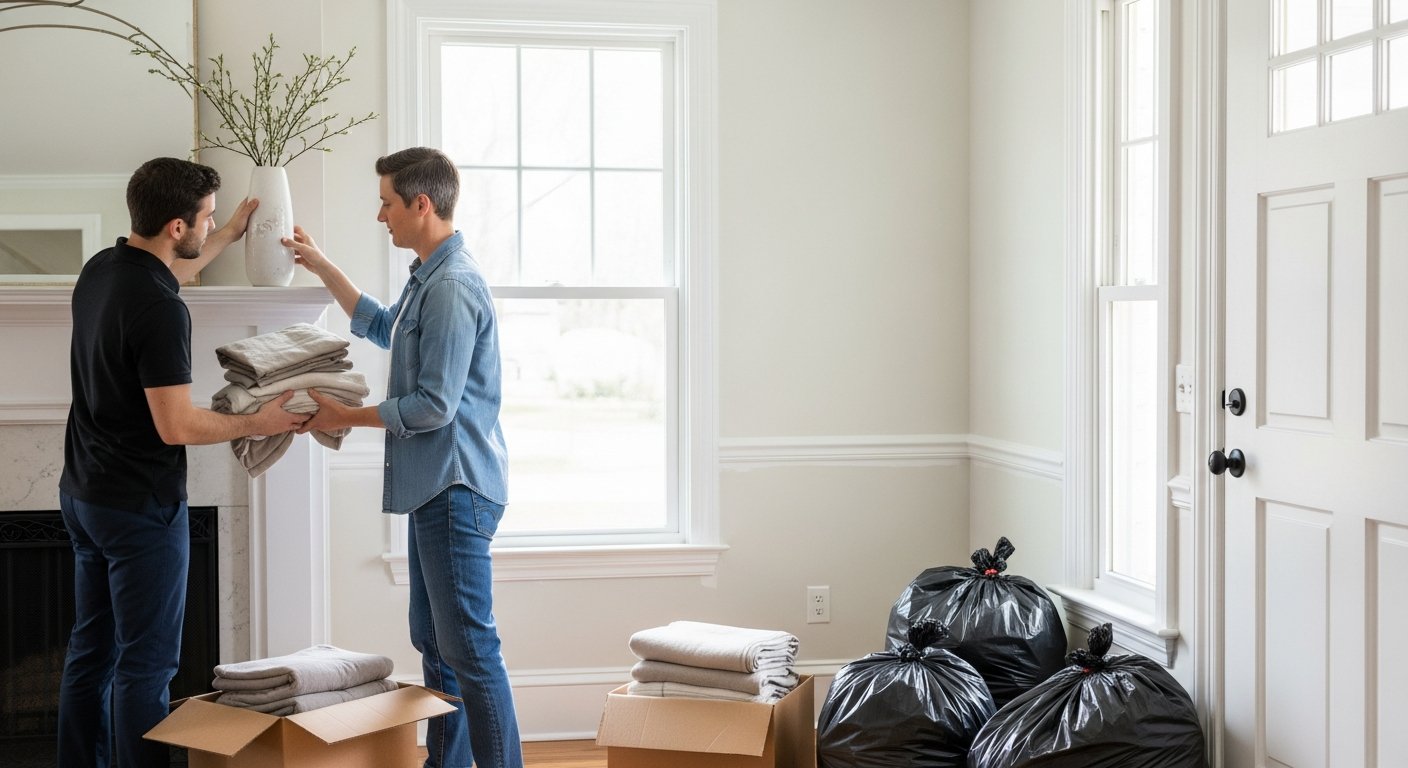
The foundation of any successful home sale is a clean, clutter-free space. This is not just about tidying up for showings, it is about creating a canvas that allows buyers to imagine their own belongings and life in the space. Excess furniture, personal photos, and knick-knacks can make rooms feel smaller and distract from the architectural features you want to highlight. Begin by going through each room and removing items you do not use daily. Pack away seasonal decor, extra kitchen appliances, and rarely worn clothing. You should aim to have your home feel about 30 percent less full than your normal living style.
Once you have decluttered, a deep clean is essential. This goes beyond your regular vacuuming and dusting. Pay attention to areas that often get overlooked, such as baseboards, window sills, ceiling fans, and inside cabinets. Clean the oven, scrub the grout in the bathrooms, and wash all windows inside and out. A spotless home not only looks better, it also sends a message that the property has been well cared for. If you have the time and energy, you can do this yourself, but many sellers find it worth the investment to hire a professional cleaning service for a one-time deep clean before listing. This is a small cost that can have a big impact on first impressions.
Prioritize High-Impact Repairs and Upgrades
After your home is clean and decluttered, you can assess what repairs and upgrades are necessary. Not every improvement will give you a good return on investment, so you need to prioritize. Start with the items that are most visible to buyers and those that affect the home's basic function. A leaky faucet, a cracked tile, or a broken window should be fixed before you list. These small issues can make buyers wonder what else might be wrong, and they can become negotiation points that reduce your final offer. Focus on making your home feel solid and well maintained.
For larger upgrades, think about the areas that buyers care about most: the kitchen and bathrooms. You do not need a full remodel, but small, smart updates can make a big difference. Consider replacing outdated cabinet hardware, updating a faucet, or installing new lighting. A fresh coat of neutral paint in the main living areas can also modernize the space and cover any marks or stains. According to real estate professionals, the most cost-effective projects before selling include interior painting, minor kitchen updates, and refreshing the front entryway. These projects are typically affordable and can be completed in a short time, making them ideal for a pre-sale preparation plan.
If you are unsure which repairs are worth tackling, a pre-listing home inspection can be a valuable tool. This is an inspection you pay for as the seller, and it can reveal hidden issues that could derail a sale. While it might seem counterintuitive to find problems before a buyer does, it gives you the chance to fix them on your own terms. You can get quotes from contractors and address the issues without the pressure of a buyer's deadline. This proactive approach can prevent surprises during the buyer's inspection and make your transaction smoother. It also shows buyers that you are transparent and serious about selling.
Focus on Curb Appeal to Make a Strong First Impression
The exterior of your home is the first thing buyers see, and it sets the tone for the entire showing. If the front yard is overgrown or the front door looks worn, buyers might assume the inside is in similar condition. Improving your curb appeal does not have to be expensive. Simple tasks like mowing the lawn, trimming bushes, weeding flower beds, and planting a few colorful flowers can instantly make your home look more inviting. You should also clean the driveway and walkways, and consider pressure washing the siding and roof if they look dirty.
Pay special attention to your front door. This is the focal point of your home's exterior and the place where buyers will pause while you unlock the door. A fresh coat of paint in a bold but tasteful color can create a welcoming entry. Replace any outdated or worn house numbers, and make sure the door hardware is clean and functional. If you have a porch, add a simple bench or a potted plant to create a cozy atmosphere. These small details show that you take pride in your home, which can make buyers more optimistic about what they will find inside. Remember, buyers often drive by a property before they even schedule a showing, so that first impression is critical.
Stage Each Room to Highlight Its Best Use
Staging is more than just arranging furniture, it is about helping buyers see the potential of each space. The goal is to create a neutral, inviting environment that allows buyers to picture themselves living there. Start by removing any overly personal items, such as family photos, religious artifacts, or quirky collections. You want the space to feel like a blank canvas, not a reflection of someone else's life. In each room, consider its primary function and arrange furniture to support that use. For example, in a small bedroom, avoid cramming in a bed and a desk. Instead, choose a bed and a small nightstand to make the room feel larger and more relaxing.
If you have already moved out of the home, the rooms may be empty, which can feel cold and uninviting. In this case, consider renting furniture or using a professional staging service. Staged homes often sell faster and for more money than vacant ones, as they help buyers gauge the size and flow of the rooms. If you are still living in the home, you can stage it yourself by rearranging existing furniture and using neutral decor. Add some fresh flowers or a bowl of fruit in the kitchen, and make sure all rooms are well lit. Open the curtains to let in natural light, and turn on lamps to create a warm ambiance. The key is to make the home feel bright, spacious, and welcoming.
Do not forget the less obvious areas, like the garage, basement, and attic. These spaces can be valuable selling points, but only if they appear clean and organized. Buyers will open closet doors and peek into storage areas, so they should not be overflowing with clutter. If necessary, rent a storage unit to temporarily move excess items. A tidy garage can also make the home feel more functional. Take the time to sweep the floors, organize tools, and clear any cobwebs. A clean, organized basement or attic suggests that the home has ample storage, which is a major plus for many buyers.
Set a Realistic Price and Prepare for Negotiations
Once your home is clean, repaired, and staged, it is time to set a price. This is one of the most critical decisions you will make, as it directly affects how quickly your home sells and how many offers you receive. Overpricing can lead to your home sitting on the market, which can make it seem undesirable and lead to lower offers later. Work with a real estate agent to conduct a comparative market analysis, which looks at recently sold homes in your area that are similar to yours. Your agent can help you set a price that is competitive yet realistic, based on current market conditions.
As you prepare for the sale, you should also be ready for negotiations. Buyers may request repairs after their inspection, or they may ask for a credit to cover closing costs. Decide in advance what you are willing to accommodate and what you are not. If you have already addressed major issues, you can be more confident in your asking price and less likely to be strong-armed into significant concessions. It is also wise to have a budget for unexpected expenses, such as a second round of negotiations or a final repair request. Being prepared for these conversations will help you remain calm and make decisions that are in your best interest.
Throughout this process, remember that you do not have to do everything alone. BuySellRemodel connects homeowners with experienced local contractors who can help with repairs, upgrades, and staging projects. Whether you need a quick fix for a leaky roof, a fresh coat of paint, or a minor kitchen update, finding the right professional can save you time and stress. You can request free estimates from vetted professionals in your area, making it easy to compare prices and choose the best fit for your budget. This way, you can focus on the big picture of selling your home while leaving the heavy lifting to the experts.
Preparing your home for sale is a journey that requires time, effort, and a clear plan. By starting with a deep clean and declutter, prioritizing high-impact improvements, boosting your curb appeal, staging each room, and setting a realistic price, you can make your home stand out in a competitive market. Each step you take to prepare your home for sale not only increases its appeal to buyers, but it also gives you a sense of control and confidence during a process that can often feel uncertain. With the right preparation and support, you can achieve a successful sale that moves you closer to your next chapter.
Learn more about Home Remodeling for guides, costs, and what to expect.
Compare Home Remodeling Pros Near You
Enter your ZIP code to compare top-rated local professionals and request free quotes.