
How to Compare Remodeling Quotes Without Overpaying
Learn how to compare remodeling quotes so you can spot hidden costs, avoid surprise bills, and choose the right contractor for your project.

By Leo Cross
Learn more about Home Remodeling for guides, costs, and what to expect.
Compare Home Remodeling Pros Near You

Enter your ZIP code to compare top-rated local professionals and request free quotes.
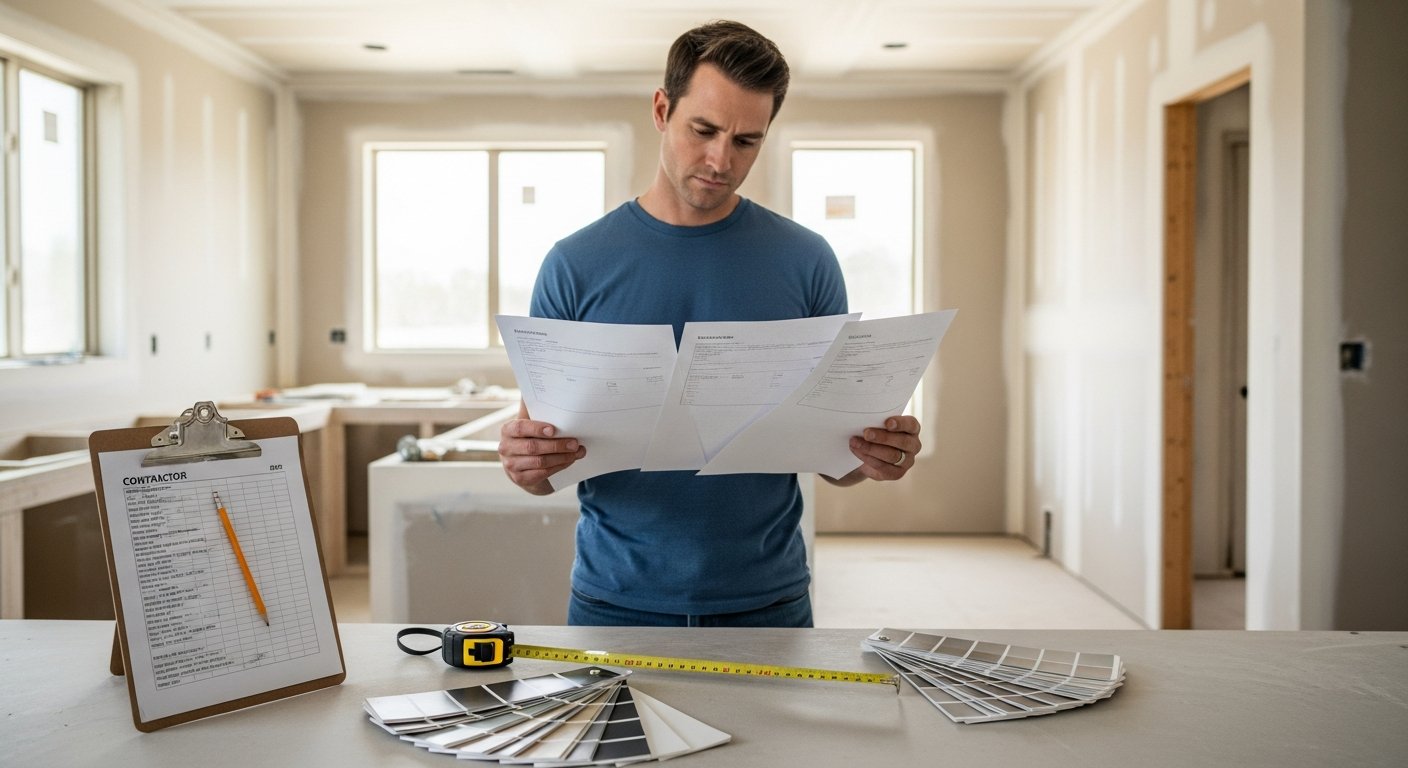
You have measured the space, saved the money, and picked out the finishes. Then you invite three contractors to walk through your home and give you a price for the job. A week later, you are staring at three very different numbers. One bid is $18,000, another is $26,000, and the third is $34,000. Which one do you choose? Most homeowners assume the middle bid is the safest, but that is not always true. The real skill is learning how to compare remodeling quotes so you can spot what is included, what is missing, and what could cost you thousands later.
This guide walks you through the exact process of comparing bids from local contractors. You will learn what to look for in the fine print, which questions to ask before you sign, and how to use a free estimate service like BuySellRemodel to get qualified leads without the guesswork. By the end, you will feel confident that the price you accept is the right one for your project and your budget.
Why Comparing Remodeling Quotes Is Harder Than It Looks
At first glance, comparing quotes seems simple: pick the lowest number and move on. But remodeling bids are not like shopping for a TV. Each contractor calculates costs differently, and the lowest bid might be low for a reason. A contractor who forgets to include demolition, permit fees, or the cost of moving plumbing can look cheap on paper, then hit you with change orders later.
Contractors also make different assumptions about materials. One may quote with builder-grade cabinets, while another assumes you want soft-close drawers and dovetail joints. One may include a dumpster rental, another may tell you to rent one yourself. Without a careful side-by-side comparison, you are not comparing apples to apples.
The good news is that you can learn to decode these bids. The process takes a little time, but it can save you from surprise bills and subpar workmanship. Here is how to do it like a pro.
Step 1: Build a Detailed Scope of Work Before You Ask for Quotes
Before you ever call a contractor, write down exactly what you want done. This document is called a scope of work, and it is the single most important tool for an accurate comparison. It should include the size of the space, the materials you want, the fixtures you have chosen, and any special conditions like removing a load-bearing wall or upgrading electrical service.
For example, if you are remodeling a bathroom, your scope might say: remove existing tub, tile, and vanity; install a 60-inch alcove tub with a porcelain finish; add a glass shower door; install a 36-inch single vanity with a quartz top; replace the exhaust fan; and update the plumbing rough-in to meet current code. The more specific you are, the easier it is to compare bids.
When your scope is vague, contractors have to guess. One may assume you want a basic tile surround, while another pictures a full-height marble feature wall. Those assumptions show up in the price. By giving every contractor the same detailed scope, you make the bids comparable.
Step 2: Request Three to Five Quotes from Qualified Contractors
Most experts recommend getting at least three bids for any project over $5,000. Five is even better if you have the time, because it gives you a clearer picture of the market range. But do not just pick names out of a phone book. You want contractors who are licensed, insured, and experienced with your type of project.
Using a service like BuySellRemodel can help you connect with local pros who have been vetted and are ready to provide free estimates. You submit your project details once, and the platform matches you with contractors who are a good fit for the job. That saves you the hassle of cold-calling and gives you a pool of qualified candidates.
- Ask for a free estimate from at least three different contractors.
- Confirm that each contractor is licensed and carries liability insurance.
- Check that they have experience with projects similar to yours.
- Request references from their last two or three jobs.
Once you have your bids, the real work begins. It is time to put them side by side and look beyond the bottom line.
Step 3: Compare the Line Items, Not Just the Totals
Lay all the bids out on a table, or open them side by side on your computer. Look at how each contractor broke down their price. A good bid will list categories like demolition, rough carpentry, plumbing, electrical, drywall, painting, and trim. It will also specify the materials included, the brand names, and the model numbers where relevant.
If a bid is just a single number with no breakdown, ask for more detail. A lump sum might be fine for a small repair, but for a full remodel, you deserve to know where your money is going. When you compare line items, you can see which contractor is charging for things like moving a drain line and which one left it out.
Also, pay attention to allowances. Some contractors include allowances for fixtures, tile, or countertops. An allowance is a set dollar amount they have budgeted for a material, and you can spend up to that amount. If you pick something more expensive, you pay the difference. Make sure the allowance is realistic for what you want. A $500 allowance for a kitchen countertop is not going to cover quartz, but it might cover laminate.
Step 4: Spot Hidden Costs and Omissions
Remodeling bids can hide costs in plain sight. Here are some common areas where contractors cut corners on their quotes, and what you should look for:
- Demolition and disposal: Does the bid include tearing out the old materials and hauling them away? Or is that an extra charge?
- Permits and inspections: Your city or county may require a building permit for your project. Who pays for it, and who pulls it?
- Structural work: If you are removing a wall, the bid should include temporary supports, a header, and any engineering fees.
- Finishes and hardware: Are doorknobs, cabinet pulls, towel bars, and other small items included?
- Cleanup and protection: Will the contractor protect your floors and furniture, and will they do a final clean-up?
When you find a gap, ask the contractor about it. Sometimes they simply forgot to include it, and they will add it to the bid. Other times, they intentionally left it out to make their price look more attractive. Either way, you need to know before you sign.
Step 5: Look at the Payment Schedule and Timeline
A professional contractor will usually ask for a small deposit, then collect progress payments as work is completed. Be wary of anyone who demands a large upfront payment, like 50% or more, before any work begins. That is a red flag for a contractor who may not finish the job.
Compare the payment schedules in each bid. A typical schedule might be 10% to start, 30% after rough-in, 30% after trim, and 30% at final walkthrough. You want a schedule that ties payments to milestones you can verify. Also, check the timeline. How many weeks or months does each contractor estimate? A longer timeline might mean a cheaper price, but it also means more disruption to your life.
Step 6: Read the Contract Terms and Warranties
Before you choose a bid, read the fine print. The contract should state the total price, the scope of work, the payment schedule, the start and end dates, and the process for handling change orders. It should also describe the warranty on workmanship. Most reputable contractors offer at least a one-year warranty on their labor, and some go up to five years.
If a contractor does not provide a written contract, walk away. You need everything in writing to protect yourself. Also, make sure the contract includes a clause about what happens if the project goes over budget. You do not want to be stuck paying for a contractor's mistake.
Step 7: Trust Your Gut, but Verify with References
Once you have compared all the bids on paper, take a step back. Which contractor made you feel the most comfortable? Did they answer your questions clearly? Did they show up on time for the estimate? Did they seem genuinely interested in your project, or were they just trying to close a sale?
That gut feeling matters, but you should still verify it with references. Call the references and ask about the contractor's communication, quality of work, adherence to schedule, and how they handled problems. If you can, visit a completed project in person. Seeing the work with your own eyes is worth more than any glossy portfolio.
How BuySellRemodel Makes the Process Easier
Find a handful of trusted contractors can be the hardest part of the whole process. That is where BuySellRemodel comes in. The platform connects you with a curated network of local professionals who are ready to provide free estimates for your project. You do not have to worry about whether they are licensed or insured, because the vetting is already done.
You simply describe your project, and BuySellRemodel matches you with contractors who have the right skills. Then you can use the steps above to compare their quotes with confidence. It is a free service for homeowners, and it takes the guesswork out of finding a pro.
Final Thoughts on Comparing Remodeling Quotes
Comparing remodeling quotes is not about picking the cheapest or the most expensive bid. It is about finding the contractor who offers the best value for the work you need. That means understanding what is included, what is not, and what the long-term costs might be. With a clear scope, a few good bids, and a careful line-by-line review, you can negotiate from a position of strength and make a decision you will be happy with for years.
Remember, the lowest bid can end up costing you more in change orders and headaches. The highest bid might be full of unnecessary upgrades you do not need. The right bid is the one that meets your needs at a price you can afford, from a contractor you can trust. Take your time, ask the right questions, and use a service like BuySellRemodel to find qualified pros near you. Your home and your wallet will thank you.
Learn more about Home Remodeling for guides, costs, and what to expect.
Compare Home Remodeling Pros Near You
Enter your ZIP code to compare top-rated local professionals and request free quotes.