
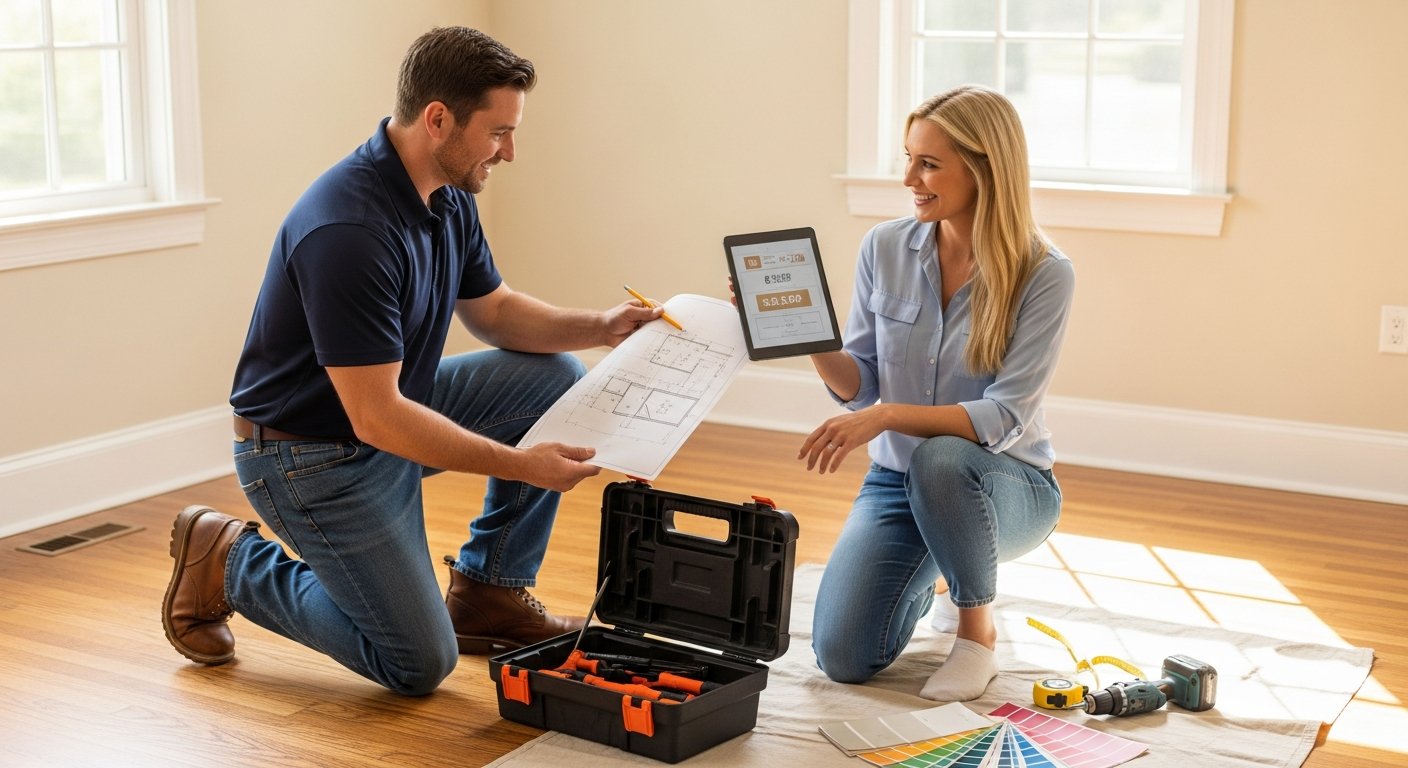
How to Choose Home Improvement Contractors
Learn how to find and vet home improvement contractors, get free estimates, and avoid costly mistakes in this step-by-step guide.

By Oliver Grant
Learn more about General Contracting for guides, costs, and what to expect.
Compare General Contracting Pros Near You

Enter your ZIP code to compare top-rated local professionals and request free quotes.
Your home is likely your largest investment, and when it is time to remodel, repair, or upgrade, the quality of the contractor you hire can make or break the project. Whether you are planning a kitchen remodel, a bathroom renovation, or a new roof, the process of finding a trustworthy professional can feel overwhelming. The good news is that with the right approach, you can simplify the process, protect your budget, and achieve the results you want. This article walks you through the essential steps to select, vet, and work with home improvement contractors, while also showing you how to leverage free estimates and transparent pricing to your advantage.
Why the Right Contractor Matters
Home improvement projects are significant undertakings. A skilled contractor brings technical expertise, project management experience, and a network of reliable subcontractors. They also carry insurance and licenses, which protect you from liability if something goes wrong. On the other hand, a poor choice can lead to shoddy workmanship, unexpected delays, and cost overruns that strain your finances.
Moreover, the right contractor will communicate clearly, respect your budget, and provide a detailed contract that outlines the scope of work. They will also offer a warranty on their labor, giving you peace of mind long after the project is complete. In contrast, a contractor who gives a vague estimate or pressures you to sign quickly is a red flag you should never ignore.
To avoid common pitfalls, you need a systematic way to evaluate candidates. This is where platforms like BuySellRemodel come into play, as they connect you with pre-vetted local professionals who are accustomed to transparent quoting and quality work.
Steps to Find and Vet Home Improvement Contractors
Before you start interviewing pros, take time to define your project clearly. Know what you want to accomplish, what materials you prefer, and what your budget ceiling is. This preparation will make your conversations with contractors more productive and help you compare bids fairly.
Once your project scope is clear, use these steps to build a shortlist of candidates:
- Ask for referrals from friends, family, and neighbors who have recently completed similar projects. Personal recommendations are valuable because they come with firsthand experience.
- Search online directories like BuySellRemodel, which curate local contractors and provide free estimates. This saves you time by filtering out unqualified candidates.
- Check credentials by verifying licenses, insurance, and bonding. Your state or local licensing board can confirm that a contractor is in good standing.
- Review their portfolio of past projects, either on their website or through photos they provide. Look for work that matches your style and complexity level.
- Read online reviews on platforms like Google, Yelp, and the Better Business Bureau. Pay attention to how contractors respond to negative feedback, as this reveals their professionalism.
After you have a shortlist of three to five candidates, schedule phone or in-person consultations. During these meetings, ask about their experience with similar projects, their timeline, and how they handle change orders. Take notes so you can compare responses later.
Questions to Ask in an Interview
When you meet with a potential contractor, come prepared with a list of questions. This helps you gauge their expertise and communication style. Essential questions include:
- How long have you been in business, and do you have experience with this type of project?
- Can you provide a detailed written estimate that includes labor, materials, and permits?
- Who will be on-site daily, and will you use subcontractors for specific trades?
- How do you handle unexpected issues or change orders during the project?
- Do you offer a warranty on your workmanship, and what does it cover?
Their answers should be clear and confident. If a contractor hesitates or gives evasive responses, consider it a warning sign. A reputable professional will welcome your questions and provide documentation to back up their claims.
Understanding Free Estimates and Bids
One of the biggest advantages of using a service like BuySellRemodel is the ability to request free estimates from multiple contractors. This not only gives you a sense of the market rate but also helps you spot outliers that may be underpriced or overpriced.
When you receive bids, compare them carefully. A low bid may indicate that the contractor is cutting corners, using inferior materials, or underestimating the work involved. Conversely, a high bid might reflect premium materials or an experienced team, but it could also be inflated. Look for a bid that is detailed and transparent, breaking down costs for labor, materials, permits, and any other line items.
Also, be wary of verbal estimates. Always request a written bid that specifies the scope of work, payment schedule, and completion timeline. This document becomes the foundation of your contract, so it should be thorough and unambiguous.
Remember that the cheapest option is not always the best value. Instead, consider the contractor's reputation, experience, and the quality of their proposal. Sometimes paying a little more upfront saves you money in the long run by avoiding costly mistakes.
Red Flags to Avoid When Hiring
Not every contractor is trustworthy, and it is crucial to recognize warning signs before you sign a contract. Common red flags include:
- Pressure tactics to sign a contract immediately or to pay a large deposit upfront.
- Reluctance to provide references or proof of insurance and licensing.
- No physical business address or a history of changing company names.
- Requests for cash payments or payments made directly to the contractor rather than to a company.
- Vague contracts that do not specify materials, timelines, or payment terms.
If you encounter any of these issues, walk away and continue your search. It is better to invest extra time in finding a reliable contractor than to deal with the stress and financial loss of a botched project.
Additionally, verify that the contractor pulls the necessary permits for your project. This protects you from liability and ensures that the work meets local building codes. A contractor who avoids permits is not worth the risk.
How BuySellRemodel Simplifies the Process
BuySellRemodel is designed to address the biggest pain points for homeowners: finding trustworthy pros and getting fair prices. The platform connects you with a curated network of experienced local contractors who are pre-screened for quality and reliability. Instead of scouring the internet and making dozens of calls, you can submit a single request and receive free estimates from qualified professionals.
This approach saves you time and reduces the anxiety of hiring someone sight unseen. You can review each contractor's profile, read reviews from past clients, and compare bids side by side. The platform also provides educational resources to help you plan your project, budget accurately, and understand what to expect during the renovation process.
Because BuySellRemodel focuses on affordability and transparency, you can feel confident that the estimates you receive are competitive and honest. The platform does not perform the work itself; instead, it matches you with independent contractors who are committed to doing the job right.
Budgeting and Cost Control
One of the most common reasons home improvement projects go over budget is poor planning. To avoid this, start by setting a realistic budget that includes a contingency fund of 10 to 20 percent for unexpected expenses. This cushion covers issues like hidden water damage, structural problems, or material price increases.
When you receive estimates, ask each contractor to explain how they handle cost overruns. A good contractor will provide a detailed contract that outlines the process for change orders, which are formal modifications to the scope of work. This prevents surprises and keeps you in control of your spending.
Another way to control costs is to choose materials wisely. You do not always need the most expensive option; many mid-range products offer excellent durability and aesthetics. Discuss your budget with your contractor, and ask for recommendations that balance quality and affordability.
Finally, avoid making changes to the project once work is underway unless absolutely necessary. Each change can add time and money to the job. If you do need to alter something, do it through a written change order so there is no ambiguity about the cost.
Managing the Project Timeline
A clear timeline is essential for any home improvement project. Before work begins, agree on a start date and an estimated completion date. Make sure the contract includes milestones for each phase of the project, such as demolition, rough-in, inspections, and final walkthrough.
Delays can happen for many reasons, including weather, material shortages, or permitting issues. While some delays are unavoidable, a professional contractor will communicate proactively and adjust the schedule as needed. If you feel that progress is lagging, address your concerns directly and review the contract to understand what constitutes a reasonable timeline.
To keep the project on track, maintain open lines of communication. Schedule regular check-ins with your contractor, and do not hesitate to ask questions. A responsive contractor will appreciate your involvement and will keep you informed about any changes.
Making the Final Decision
After you have gathered estimates, checked references, and interviewed candidates, it is time to make your choice. Trust your instincts, but also rely on the facts you have collected. Choose a contractor who offers a fair price, demonstrates expertise, and communicates clearly.
Before signing the contract, review it thoroughly. Ensure that it includes the full scope of work, payment schedule, start and completion dates, warranty details, and a process for handling disputes. If anything is unclear, ask for clarification or have a legal professional review it.
Once the contract is signed, your role shifts to being a project partner. Stay engaged, but trust the professionals to do their jobs. With the right contractor and a solid plan, your home improvement project can be a rewarding experience that adds value and comfort to your home.
Ready to start your project? Request free estimates from vetted home improvement contractors through BuySellRemodel and take the first step toward your dream home.
Learn more about General Contracting for guides, costs, and what to expect.
Compare General Contracting Pros Near You
Enter your ZIP code to compare top-rated local professionals and request free quotes.