
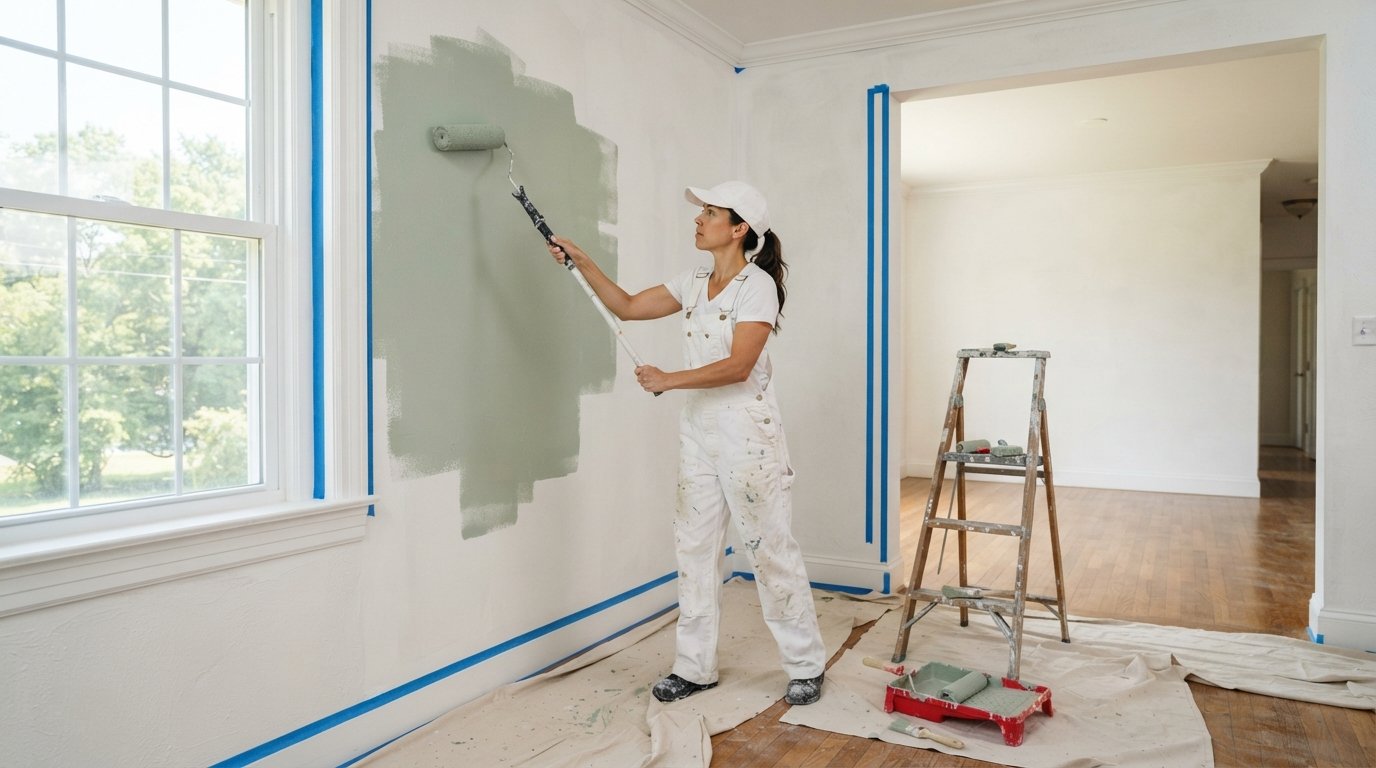
House Painting Cost Per Square Foot: Interior and Exterior
Get realistic house painting cost per square foot interior and exterior, plus tips to compare estimates and save. Call (833)-365-8755 for free local quotes.

By Oliver Grant
Learn more about Interior Painting for guides, costs, and what to expect.
Compare Interior Painting Pros Near You

Enter your ZIP code to compare top-rated local professionals and request free quotes.
Painting a house is one of the most cost-effective ways to refresh its appearance and protect its surfaces, but the price tag can vary wildly depending on whether you are painting the interior or exterior, the condition of the walls, and the amount of prep work required. Homeowners often ask, "What is the house painting cost per square foot interior and exterior?" The answer is not a single number but a range that depends on several factors. In this comprehensive guide, we break down the typical costs, explain what is included in a painting estimate, and help you decide whether to hire a professional or tackle the job yourself. Whether you are planning a quick touch-up or a full repaint, understanding the per-square-foot pricing will empower you to budget accurately and compare contractor quotes with confidence.
Interior Painting Cost Per Square Foot
Interior painting costs typically range from $2 to $6 per square foot, with most homeowners spending around $3 to $4 per square foot for walls and ceilings. This price includes labor, paint, and basic prep work such as covering furniture and taping off trim. However, the exact cost depends on the height of the walls, the number of coats, the type of paint, and the amount of furniture that needs to be moved. For a standard room of 120 square feet, you might pay between $240 and $720 for a basic repaint. Higher ceilings, intricate trim work, or extensive repairs can push the cost toward the upper end of the range or beyond.
It is important to note that painting companies often calculate interior costs based on the square footage of the floor area, not the wall area. This method accounts for the average wall height and the number of rooms. For example, a 2,000-square-foot home might cost $4,000 to $8,000 to paint the interior, depending on the complexity. When requesting quotes, ask the contractor to specify the square footage they are using and what is included in the price. This will help you compare apples to apples.
What Is Included in Interior Painting?
A professional interior painting estimate usually includes surface preparation (cleaning, patching holes, sanding), priming bare spots, applying two coats of paint, and cleanup. It also covers labor, paint, and materials such as rollers, brushes, and drop cloths. Some contractors may charge extra for moving heavy furniture, painting ceilings, or painting trim and doors. Always clarify these details upfront to avoid surprise charges. If you want to save money, you can handle the furniture moving and minor prep work yourself, but professional prep is often what makes the difference between a good paint job and a great one.
Exterior Painting Cost Per Square Foot
Exterior painting is generally more expensive than interior painting, with costs ranging from $3 to $7 per square foot. The higher price reflects the additional labor required for ladder work, power washing, scraping, and priming, as well as the need for more durable exterior-grade paint. For an average 2,000-square-foot home, exterior painting can cost between $6,000 and $14,000. Factors such as the height of the house, the type of siding (wood, stucco, brick, vinyl), and the amount of detail work (shutters, trim, fascia) significantly influence the final price. For a deeper dive into exterior-specific pricing, see our detailed guide on exterior painting cost per square foot.
Exterior painting also involves more extensive preparation. Power washing is essential to remove dirt and mildew, and any peeling or cracked paint must be scraped and sanded. Wood surfaces may require caulking and priming, while stucco may need patching. These prep steps are critical for a long-lasting finish and are typically included in the per-square-foot price, but some contractors may charge extra for major repairs. Always ask for a breakdown of prep work in your estimate.
What Is Included in Exterior Painting?
A standard exterior painting quote includes power washing, scraping loose paint, sanding, priming bare wood, caulking gaps, and applying two coats of exterior paint. It also covers labor, paint, and materials, as well as cleanup. Some contractors may charge extra for painting shutters, doors, and trim, or for repairing rotted wood. Be sure to discuss these add-ons before signing a contract. Additionally, check whether the price includes paint for both the body and trim, as some quotes only cover the main siding.
How Prep Work and Surface Condition Affect the Price
Preparation is the most variable factor in painting costs. A surface in good condition with only minor imperfections may require minimal prep, keeping the cost near the lower end of the range. However, if the walls have peeling paint, cracks, water damage, or mildew, the prep work can add significantly to the total. For interiors, patching drywall, repairing plaster, and sanding glossy surfaces take time and materials. For exteriors, scraping, sanding, and priming are labor-intensive tasks that can double the cost if the surface is severely weathered.
Number of coats also matters. While two coats are standard, some colors (especially dark or bright hues) may require three coats to achieve even coverage. Priming is another factor: bare wood or repaired areas need primer, which adds cost. If you are changing from a dark color to a light one, a primer coat may be necessary to block the old color. These details should be spelled out in your estimate so you understand why one quote might be higher than another.
DIY vs. Hiring a Professional Painter
DIY painting can save you money on labor, but it comes with trade-offs. The cost of materials for a DIY interior project might be $1 to $2 per square foot, and for exteriors, $1.50 to $3 per square foot. However, DIY painting requires time, skill, and proper equipment. If you lack experience, you may end up with uneven finishes, drips, or premature peeling, which can cost more to fix than hiring a pro in the first place. Professional painters have the expertise to prepare surfaces correctly, choose the right paint, and apply it efficiently, often completing the job in a fraction of the time.
That said, DIY makes sense for small, low-risk projects such as painting a single accent wall or refreshing a powder room. For whole-house interiors or multi-story exteriors, the complexity and safety risks (especially with ladders) usually justify the cost of a professional. To find a reliable painter in your area, consider using a platform like HomeRemodelingsContractors.com, which helps homeowners connect with experienced local contractors and get free estimates. This allows you to compare quotes and choose the best professional for your budget and needs.
How to Compare Painting Estimates Line by Line
When you receive painting estimates, do not just look at the total price. Break down each quote into categories such as labor, paint, prep work, and additional services. Ask the contractor to specify the square footage they are pricing, the number of coats, and the brand of paint. A lower quote might exclude critical prep work or use lower-quality paint, which can lead to premature failure. A higher quote might include more thorough preparation or premium paint that lasts longer. Compare the scope of work, not just the bottom line.
Here are key items to check in each estimate:
- Square footage calculation: Is it based on floor area or wall area? Does it include ceilings and trim?
- Prep work: Does it include washing, scraping, sanding, patching, and priming? Are there extra charges for repairs?
- Paint quality: What brand and line of paint will be used? Is it appropriate for the surface and environment?
- Number of coats: Are two coats included? Is primer included?
- Warranty: Does the contractor offer a warranty on labor and materials?
By asking these questions, you can ensure that you are comparing equivalent services. A professional painter should be transparent about what is included and willing to explain any discrepancies. This line-by-line comparison will help you avoid surprises and select the best value for your project.
Factors That Influence Painting Costs
Beyond square footage, several other factors can affect the total cost of a painting project. The height of the walls or ceilings, the presence of intricate architectural details, and the amount of furniture or landscaping that needs to be protected all add to the labor. The type of siding or wall material also matters: painting brick or stucco is more expensive than painting wood or vinyl because these surfaces require specialized paints and techniques. Additionally, regional labor rates vary widely; urban areas tend to have higher labor costs than rural areas.
Seasonal demand can also impact pricing. Painters are often busier in spring and summer, so you might get better rates in the off-season. However, exterior painting requires favorable weather, so scheduling flexibility can help you save. Finally, the color choice can affect the number of coats needed. Dramatic color changes may require extra coats or primer, increasing both material and labor costs.
Average Cost Examples
To give you a realistic idea, here are some average cost examples for common painting projects:
- Interior, 1,500 sq ft home: $3,000 to $6,000 (2-3 coats, basic prep)
- Exterior, 1,500 sq ft home: $4,500 to $10,500 (including power washing, scraping, priming)
- Single room interior (120 sq ft): $240 to $720
- Exterior trim and doors only: $1,000 to $3,000 depending on amount
These ranges are for professional services and can vary based on your location, the condition of your home, and the specific requirements of your project. Always get multiple quotes to ensure you are getting a fair price.
Tips for Saving on Painting Costs
There are several ways to reduce your painting costs without sacrificing quality. First, do the prep work yourself: move furniture, remove wall hangings, and clean surfaces. This reduces the labor hours charged by the painter. Second, choose a single color for the entire interior or exterior to minimize the number of paint cans and the complexity of the job. Third, schedule painting during the off-season when contractors may offer discounts. Fourth, consider using a paint sprayer for large, flat surfaces, but be aware that spraying requires masking and may not be suitable for all areas. Finally, get at least three estimates and negotiate on scope, not just price. Sometimes bundling interior and exterior painting can lead to savings.
Remember that the cheapest quote is not always the best value. A low bid might cut corners on prep or use low-quality paint, leading to higher long-term costs. Invest in a reputable painter who offers a warranty and has a track record of satisfied customers. You can use a service like BuySellRemodel to find vetted contractors and get free estimates, making it easier to compare options and choose the right pro for your budget.
Understanding the house painting cost per square foot interior and exterior is the first step toward a successful project. By knowing what affects pricing and how to compare estimates, you can make informed decisions and achieve a beautiful, long-lasting finish without breaking the bank. Whether you decide to hire a professional or take on the task yourself, proper preparation and realistic budgeting will ensure your painting project enhances your home's value and appeal.