
Fixer Upper Renovation: A Step-by-Step Budget Guide
Plan a profitable fixer upper renovation with budget tips, contractor advice, and high-ROI upgrade ideas from BuySellRemodel.

By Oliver Grant
Learn more about Home Remodeling for guides, costs, and what to expect.
Compare Home Remodeling Pros Near You

Enter your ZIP code to compare top-rated local professionals and request free quotes.
Buying a fixer upper can be one of the smartest financial moves you make, but it can also become a money pit if you do not plan carefully. The key to a successful fixer upper renovation is understanding where your money goes and making smart choices that add real value. Whether you are looking at a dated kitchen, a worn-out bathroom, or a house that needs a full refresh, this guide will walk you through the essential steps, from budgeting to hiring the right pros, so you can transform your project into a profitable home.
What Does a Fixer Upper Renovation Actually Cost?
It is important to start with a realistic number. According to industry data, a full home renovation can easily run between $50,000 and $150,000 or more, depending on the size of the house, the scope of work, and your location. The most common mistake is underestimating the cost of "hidden" issues like old wiring, plumbing problems, or structural repairs that are not visible during a walkthrough.
To get a clear picture, you should break down your budget into two categories: must-haves and nice-to-haves. Must-haves include anything that affects safety, structure, or systems (like HVAC, electrical, and plumbing). Nice-to-haves are cosmetic upgrades like new countertops or a backsplash. Always prioritize the must-haves first, even if they are not as exciting. A good rule of thumb is to set aside at least 20% of your total budget as a contingency fund for unexpected surprises.
Here are the typical cost ranges for common renovation tasks, based on national averages:
- Kitchen remodel (mid-range): $25,000 to $50,000, including cabinets, countertops, and appliances.
- Bathroom remodel (mid-range): $15,000 to $30,000, including fixtures, tile, and plumbing.
- Roof replacement: $8,000 to $15,000, depending on material and size.
- New HVAC system: $6,000 to $12,000 for a full installation.
- Flooring installation (whole house): $5,000 to $15,000, depending on material.
These numbers are just a starting point. The actual cost of your fixer upper renovation will depend heavily on your local market and the quality of materials you choose. That is why getting multiple free estimates from contractors is critical. BuySellRemodel connects you with vetted local pros who can provide accurate quotes based on your specific project, so you are not guessing at numbers.
How to Plan a Fixer Upper Renovation That Stays on Budget
Planning is the most important phase of any renovation. Without a solid plan, you will face change orders, delays, and cost overruns. Start by making a detailed list of every project you want to complete, from the big items like a new roof down to the small details like door handles. Then, prioritize that list: what is absolutely necessary, and what can wait a year or two?
Next, decide on your financing. If you are paying cash, make sure you have a cushion beyond your budget. If you are taking out a loan, understand the interest rates and repayment terms before you start. Some homeowners use a home equity line of credit (HELOC), while others refinance with a cash-out mortgage. The right choice depends on your financial situation. Once your budget is locked, do not be tempted to upgrade materials mid-project. Stick to your plan and your price points, and you will avoid the dreaded budget creep.
One of the smartest planning moves is to use a project management tool or a simple spreadsheet to track every expense, from permits to paint. This keeps you accountable and helps you see where you are spending. Also, remember to factor in the cost of permits. Many municipalities require permits for structural changes, electrical work, and plumbing. Skipping permits can lead to fines and even issues when you try to sell the house later, so always check with your local building department.
Creating a Room-by-Room Scope of Work
For a full fixer upper renovation, it helps to write out a scope of work for each room. This is a detailed description of what will be done, including materials, finishes, and any demolition. For example, your bathroom scope might say: "Remove existing tub and tile, install new freestanding tub, retile shower walls with ceramic subway tile, replace vanity and sink, install new toilet, and add a recessed medicine cabinet." The more specific you are, the easier it will be for contractors to give you an accurate estimate.
This document also helps you compare bids fairly. If one contractor bids $25,000 and another bids $35,000, you can look at the scopes to see why. Sometimes the higher bid includes better materials or more labor. Other times, it is just a premium price. Without a clear scope, you are comparing apples to oranges. Take the time to write it out, and you will save yourself a lot of stress during the bidding process.
Choosing the Right Contractors for Your Fixer Upper Renovation
Hiring the right contractor is the single biggest factor in whether your renovation is a success. A great contractor will communicate clearly, show up on time, and deliver quality work. A bad one can turn a simple project into a nightmare. To find the right pro, you need to do your homework. Start by getting at least three estimates from different contractors. This gives you a sense of the going rate and helps you spot any red flags, like a bid that is way too low or too high.
When you talk to potential contractors, ask for references and check them. Call the people on the list and ask about their experience. Did the contractor stay on budget? Did they finish on time? Were there any surprises? Also, verify that the contractor is licensed and insured. This protects you if something goes wrong on the job. A reputable contractor will be happy to share their license number and proof of insurance.
At BuySellRemodel, we make this step easier by connecting you with experienced local contractors who are already vetted. You can compare free estimates from multiple pros, read reviews from other homeowners, and feel confident that you are hiring someone who knows what they are doing. Our network covers a wide range of services, from kitchen and bath remodeling to roofing, flooring, and electrical work, so you can find the right professional for every part of your fixer upper renovation.
Renovation Phases: What to Do First, Second, and Last
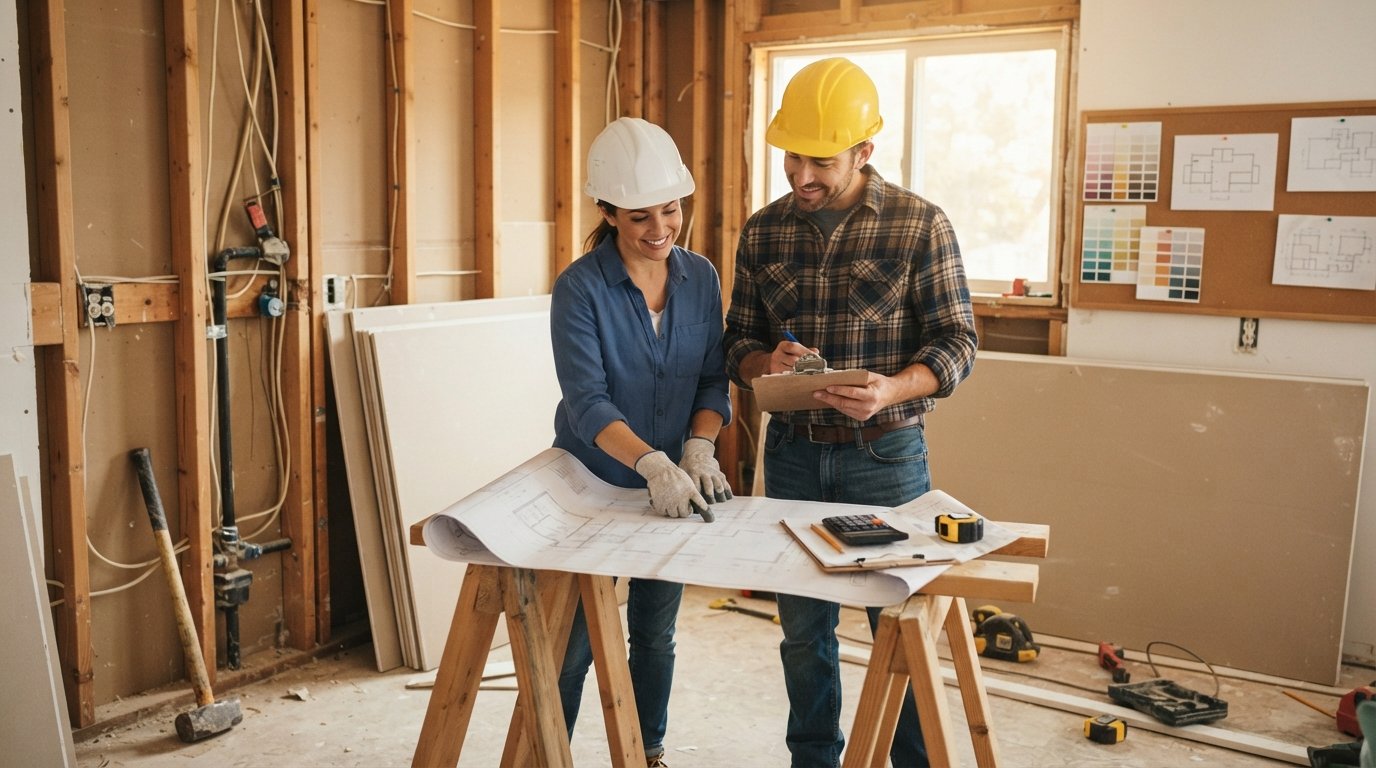
Renovating a whole house is a big project, and doing it in the right order saves you time and money. The first phase is always the messy one: demolition and structural work. This includes tearing out old drywall, removing cabinets, and fixing any framing issues. It is also the time to do any foundation repairs or major structural changes. Once the structure is sound, you can move on to the systems.
The second phase is roughing in, which means all the behind-the-walls work. This includes electrical wiring, plumbing, and HVAC ducting. You need to have this done before you can close up the walls. This is also the time to install insulation. Once the rough-in is complete and inspected, you can close the walls and ceilings with new drywall. After that comes the finishing work: painting, installing trim, laying flooring, and putting in cabinets and fixtures. Finally, you add the cosmetic touches like light fixtures, faucets, and hardware.
Here is a simple breakdown of the renovation phases:
- Demolition and structural work: Tear out anything that is not staying, fix framing, and address any foundational issues.
- Systems rough-in: Install or update electrical, plumbing, and HVAC before closing walls.
- Insulation and drywall: Add insulation, then hang and finish drywall.
- Finishing touches: Paint, trim, flooring, and install all fixtures.
- Final walkthrough and punch list: Inspect everything, note any issues, and have the contractor fix them.
Following this order helps you avoid costly mistakes. For example, if you paint a room and then realize you need to move an outlet, you will have to repaint. By doing the systems work first, you ensure that everything is in the right place before the walls are closed up. This phase-based approach also makes it easier to manage your budget, as you can pay for each phase as it is completed.
Maximizing Resale Value in a Fixer Upper Renovation
If your goal is to build equity or sell the house later, you need to focus on renovations that offer the best return on investment (ROI). Not all upgrades are created equal. According to Remodeling magazine's Cost vs. Value report, the projects that typically pay off the most are kitchen remodels, bathroom remodels, and adding a deck or patio. These are the areas that buyers care about most. A modern, updated kitchen and bathroom can make the difference between a quick sale and a house that sits on the market.
However, you do not need to go overboard. A full gut kitchen remodel with high-end appliances might cost $80,000, but you may only recoup about 60% of that in added home value. On the other hand, a mid-range kitchen remodel that costs $35,000 might return over 80% of its cost. The key is to match the level of your renovation to the style and value of your neighborhood. If you are fixing up a starter home in a modest area, do not install Italian marble countertops. Instead, choose durable, mid-range materials that appeal to the typical buyer in your area.
Another high-ROI move is to improve curb appeal. A fresh coat of paint on the front door, new landscaping, and a clean exterior can increase the perceived value of your home dramatically. Simple fixes like replacing old light fixtures, updating cabinet hardware, and painting walls in neutral colors also go a long way. These small touches make the home feel move-in ready, which is exactly what buyers are looking for.
To get the most value from your fixer upper renovation, focus on these key areas:
- Kitchen: Update cabinets, countertops, and appliances for a fresh, modern look.
- Bathrooms: Replace outdated fixtures and tile; consider a walk-in shower.
- Flooring: Install hardwood or luxury vinyl plank for durability and style.
- Lighting: Add recessed lighting or modern fixtures to brighten spaces.
- Curb appeal: Invest in paint, landscaping, and a new front door.
Remember, the goal is to add value without over-improving. A real estate agent can help you understand what buyers in your area expect and what they are willing to pay for. They can also give you a sense of the home's potential value after the renovation, which helps you set a realistic budget.
Your Fixer Upper Renovation Action Plan
Now that you understand the key steps, it is time to put your plan into action. Start by defining your goals: Are you renovating to live in the home yourself, or are you planning to sell? This will guide all your decisions, from the scope of work to the quality of finishes. Next, set a realistic budget and add a contingency cushion. Then, create a detailed scope of work for every room. Once that is done, start interviewing contractors and getting free estimates.
Do not rush the planning phase. The more time you spend up front, the smoother the renovation will go. Use the resources available to you, like our cost guides and contractor network, to make informed decisions. And remember, you do not have to do everything at once. If your budget is tight, prioritize the essentials and leave the cosmetic upgrades for later. A fixer upper renovation is a marathon, not a sprint. By pacing yourself and making smart choices, you can turn an outdated house into a beautiful, valuable home.
Ready to start your project? Connect with trusted local contractors through BuySellRemodel and get free, no-obligation estimates for your fixer upper renovation. With the right team on your side, you can bring your vision to life and stay on budget, all while avoiding the stress that often comes with home improvement projects.