
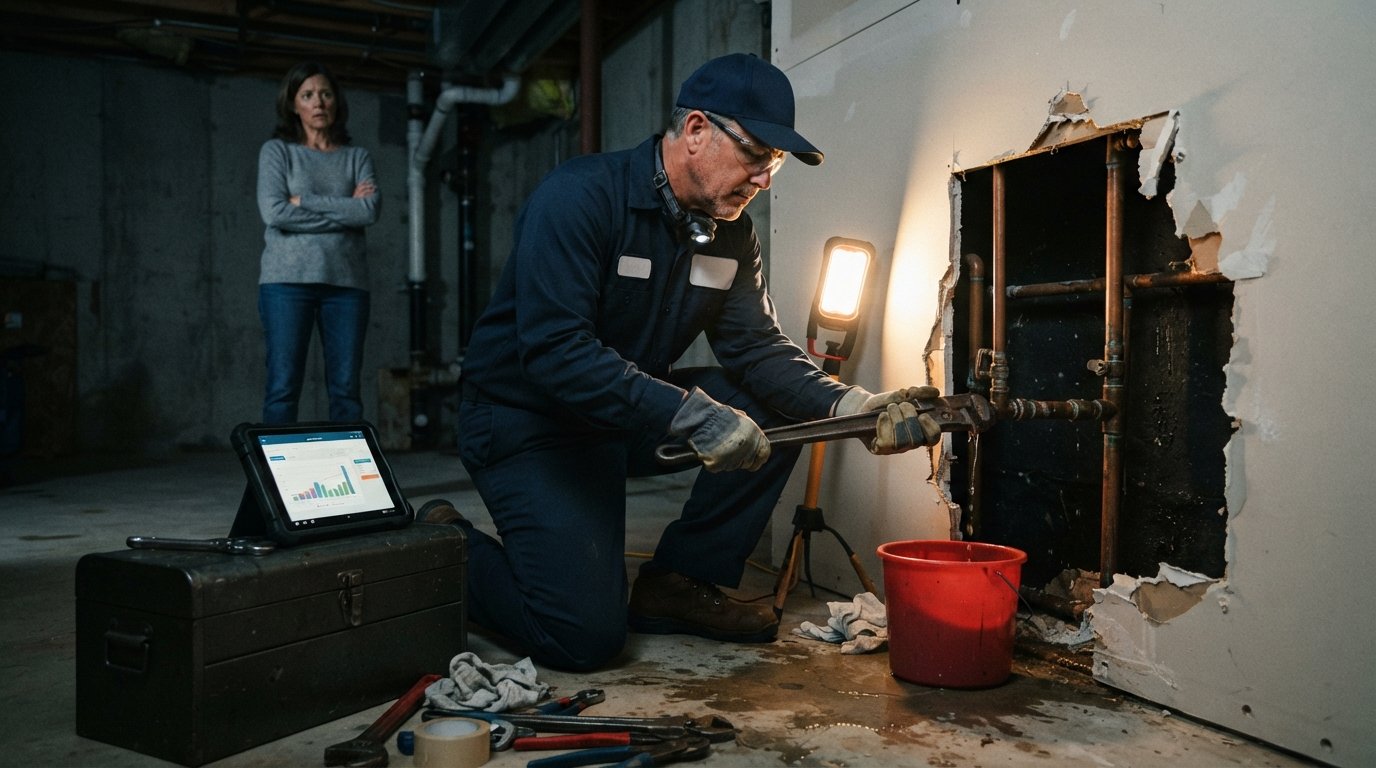
Emergency Plumbing Service Cost and What to Expect
Emergency plumbing service cost can range from $150 to $500, but knowing what affects the price helps you avoid surprise bills and get fair quotes.

By Liam Weston
Learn more about Emergency Plumbing for guides, costs, and what to expect.
Compare Emergency Plumbing Pros Near You

Enter your ZIP code to compare top-rated local professionals and request free quotes.
When a pipe bursts at 2 a.m. or a water heater fails on a Sunday, the first question that races through your mind is rarely about the repair itself. It is about the emergency plumbing service cost and what to expect when the technician finally arrives. You are not alone in this worry. Homeowners across the country face the same panic, the same uncertainty, and the same fear of an astronomical bill. But here is the good news: understanding how emergency plumbing pricing works before you need it can save you hundreds of dollars and a lot of stress. This guide breaks down the real numbers, the hidden fees, and the practical steps you can take to protect your home and your wallet. By the end, you will know exactly what to expect, how to prepare, and when to say yes or no to a quote.
Average Emergency Plumbing Service Cost in 2026
Emergency plumbing service cost varies widely depending on your location, the time of day, and the severity of the problem. As a baseline, most licensed plumbers charge between $150 and $500 for an emergency call, and that is just for the visit. The total bill includes the service fee, the labor rate, and the cost of any parts or fixtures. On average, homeowners pay around $350 for a typical emergency repair, but that figure can climb to $1,000 or more for major issues like a sewer backup or a burst pipe in a wall.
To help you plan, here is a breakdown of the common components that make up your final invoice:
- Service call fee: $75 to $200, often waived if you proceed with the repair
- Hourly labor rate: $100 to $250 per hour, with a minimum of one hour
- After-hours surcharge: $50 to $150 extra for nights, weekends, and holidays
- Emergency parts markup: 20% to 50% above retail cost for immediate availability
These numbers are not arbitrary. They reflect the plumber's overhead, insurance, truck stock, and the inconvenience of disrupting their normal schedule. A good contractor will explain every line item before starting work, so you are never blindsided. If a quote feels vague, ask for a written breakdown before you approve anything.
What Counts as a Plumbing Emergency
Not every plumbing problem requires an emergency visit. Knowing the difference can save you from overpaying for a situation that can wait until normal business hours. A true emergency involves a risk to your health, safety, or property. That includes burst pipes, sewage backups, gas leaks, flooding, or a complete loss of water supply. These issues can cause structural damage, mold growth, or unsafe drinking water within hours, so immediate action is justified.
On the other hand, a dripping faucet, a running toilet, or a slow drain can usually wait until the next day. Calling an emergency plumber for these minor issues means paying the after-hours premium for work that a regular appointment could handle at half the cost. Before you dial, ask yourself: is this problem getting worse, and is it threatening my home or family? If the answer is no, schedule a standard visit instead.
Real Examples of Emergency Plumbing Bills
To give you a clearer picture, let us walk through three common scenarios that homeowners face. These are real-world averages based on 2026 pricing data from major U.S. cities.
Scenario one: a burst pipe under the kitchen sink. The plumber arrives, shuts off the water, replaces a section of pipe, and charges a flat service fee of $180 plus $120 for the repair. Total: $300. This is on the lower end because the fix was straightforward and no drywall repair was needed.
Scenario two: a water heater failure that causes flooding. The technician diagnoses a cracked tank, installs a new unit, and disposes of the old one. The bill includes a $150 service call, $450 for the new water heater, and $200 in labor. Total: $800. This price jumps to $1,200 if you choose a high-efficiency model or need permits.
Scenario three: a main sewer line backup. The plumber uses a camera to inspect the line, clears the blockage with a hydro-jet, and performs a follow-up test. This typically costs between $500 and $1,200, depending on the length of the line and the severity of the clog. In extreme cases where the pipe needs excavation, the bill can exceed $3,000.
Factors That Drive Up the Price
Several variables can push emergency plumbing service cost higher than you might expect. The most obvious is the time of day. Calls between 6 p.m. and 8 a.m. or on weekends automatically trigger overtime rates. Location matters too, as plumbers in high-cost urban areas charge more than those in rural regions. The complexity of the job is another major factor, since diagnosing a hidden leak or accessing a pipe inside a wall takes more time and skill than a visible repair under a sink.
Your home's age and piping material also play a role. Older homes with galvanized steel or lead pipes require more careful handling, and replacement parts may be harder to source. Additionally, if the plumber needs to cut into drywall, concrete, or tile to reach the problem, you will be billed for that labor and the subsequent patchwork. Finally, emergency parts carry a premium, because the plumber must pull from their truck stock or make a special trip to a supply house, which adds time and cost.
How to Get a Fair Emergency Plumbing Quote
The best time to negotiate emergency plumbing service cost is before the plumber starts working. When you call, ask for a flat-rate quote rather than a time-and-materials estimate. A flat rate gives you a fixed price for the entire job, which protects you from surprises if the work takes longer than expected. Reputable companies are happy to provide this, because they have seen similar jobs thousands of times.
Before approving any work, ask these five questions:
- What is the total cost, including all fees and taxes?
- Are after-hours charges already included in this quote?
- What is the warranty on parts and labor?
- Will you provide a written itemized estimate before beginning?
- Do you charge extra for emergency parts or disposal fees?
Getting clear answers to these questions helps you compare quotes from different plumbers and avoid paying for services you do not need. Also, remember that the cheapest quote is not always the best. A slightly higher price from a well-reviewed, licensed professional is worth the peace of mind, especially when it comes to your home's plumbing system.
Ways to Reduce Your Emergency Plumbing Bill
While you cannot always avoid an emergency, you can take steps to lower the final invoice. First, try to shut off the water supply yourself before the plumber arrives. If you can stop the flow, the technician spends less time on damage control and more time on the actual repair. Second, clear the area around the problem. Move furniture, rugs, and belongings so the plumber has immediate access, which reduces labor time.
Third, ask about a membership or maintenance plan. Many plumbing companies offer annual plans that include priority scheduling, discounted service calls, and routine inspections. These plans cost between $100 and $300 per year, but they can save you hundreds on a single emergency visit. Fourth, consider bundling repairs. If the plumber identifies multiple issues, ask for a package price rather than paying for each item separately. Finally, always request the work to be done during regular hours if the situation is not dire. Waiting until Monday morning could cut the bill by 30% or more.
When to DIY vs. When to Call a Pro
Some minor plumbing issues can wait for a regular appointment, but there are also situations where a quick DIY fix can prevent an emergency from escalating. For example, a leaking shutoff valve under a sink can often be tightened with a wrench, and a running toilet flapper can be replaced for under $20. However, you should never attempt to fix a gas leak, a burst pipe, or a sewer backup yourself. These issues require specialized tools, safety training, and local code compliance. Attempting a DIY repair on a major system can void your insurance claim or cause further damage, turning a $300 repair into a $3,000 disaster.
If you do decide to tackle a minor repair, turn off the water supply first and take photos of the area before you start. This helps you remember how to reassemble the parts, and it gives your plumber a clear picture if you end up calling them anyway. But for anything involving gas, main water lines, or waste disposal, always hire a licensed professional. Your safety and your home's structural integrity are worth the cost.
How to Choose the Right Emergency Plumber
Not all emergency plumbers are created equal, and the one you choose can significantly affect the quality of the repair and the final bill. Start by looking for a company that is licensed, insured, and bonded. This protects you if the work is done incorrectly or causes damage. Check online reviews on platforms like Google and Yelp, but pay attention to how the company responds to negative feedback, as that shows their customer service style.
Ask about their response time and whether they offer a flat-rate guarantee. A company that provides a clear, written estimate before starting work is more likely to be transparent with pricing. Also, verify that they have experience with your specific type of plumbing, whether that is a tankless water heater, a septic system, or a high-rise building. Finally, consider using a referral network like HomeRemodelingsContractors.com, which connects homeowners with vetted local professionals who have passed background checks and customer reviews. This removes the guesswork and helps you find a reliable expert quickly, which is exactly what you need in a crisis.
What to Do During an Active Plumbing Emergency
When disaster strikes, your actions in the first few minutes can minimize damage and reduce repair costs. The first step is to shut off the main water valve. This is usually located near the water meter or where the main line enters your home. If you cannot find it, call your water utility company to ask them to shut off the water from the street. Next, turn off the water heater to prevent it from overheating or exploding if the tank drains.
Then, open a cold water faucet on the lowest level of your home to drain remaining water from the pipes. This relieves pressure and reduces the amount of water that can leak. Use towels, buckets, or a wet vacuum to remove standing water as quickly as possible, and move valuable items to a dry area. Take photos or videos of the damage for your insurance claim. Finally, call a professional plumber and describe the situation clearly. The more accurate you are, the better they can prepare and the faster they can fix the problem.
Insurance and Emergency Plumbing Coverage
Your homeowners insurance policy may cover certain types of plumbing emergencies, but the extent of coverage varies widely. Most policies cover sudden and accidental damage, such as a burst pipe or a water heater failure, but they often exclude damage from neglect, poor maintenance, or gradual leaks. Before you file a claim, check your policy to see what is included. Some policies also have a separate deductible for water damage, which could be higher than the repair cost itself.
If the damage is significant, documenting everything with photos and receipts is crucial. You may need to hire a public adjuster to negotiate with your insurance company, but that is rare for minor repairs. Also, consider adding a water leak detection system to your home. These devices can automatically shut off the water when a leak is detected, potentially preventing an emergency altogether. Many insurance companies offer discounts for homes with these systems, which can offset the installation cost.
Final Thoughts on Emergency Plumbing Costs
Emergency plumbing service cost does not have to be a mystery or a financial nightmare. By understanding how pricing works, asking the right questions, and taking proactive steps to mitigate damage, you can handle any plumbing crisis with confidence. The key is preparation: know where your shutoff valve is, have a list of trusted plumbers in your phone, and set aside a small emergency fund for unexpected repairs. Remember that a reputable professional will always provide a clear estimate and explain their work. If you are looking for a reliable contractor, platforms like BuySellRemodel.com make it easy to compare local professionals and request free estimates, so you are never left guessing. Your home is your biggest investment, and protecting it from plumbing disasters is one of the smartest financial moves you can make.