
Electrical Panel Upgrade Cost and Benefits for Homeowners
Learn about electrical panel upgrade cost and benefits, including safety, efficiency, and how it can boost your home's value.

By Oliver Grant
Learn more about Circuit Breaker Panel or Fuse Box Installation for guides, costs, and what to expect.
Compare Circuit Breaker Panel or Fuse Box Installation Pros Near You

Enter your ZIP code to compare top-rated local professionals and request free quotes.
When your home's electrical system starts to struggle, the signs are often subtle at first: lights that flicker when the HVAC kicks on, breakers that trip more frequently, or outlets that feel warm to the touch. Many homeowners ignore these warnings until a major appliance fails or, worse, an electrical fire starts. The root cause is often an outdated or undersized electrical panel, the central hub that distributes power throughout your home. Upgrading this critical component is one of the most important investments you can make for safety and functionality, but it is also a project that many dread due to cost uncertainty. Understanding the true electrical panel upgrade cost and benefits can help you make an informed decision that protects your family and enhances your property's value. This guide breaks down everything you need to know, from price factors to financial returns, so you can approach this upgrade with confidence.
What Does an Electrical Panel Upgrade Involve?
An electrical panel, also known as a breaker box or load center, is the distribution point for all the electricity entering your home. It contains circuit breakers that protect individual circuits from overloads. Over time, panels can become outdated, especially in homes built 30 or more years ago, when electrical demands were much lower. Today's homes rely on a vast array of devices, from electric vehicle chargers and induction cooktops to home offices and smart home systems. These high-demand appliances require more amperage than older panels can safely provide, leading to the symptoms mentioned earlier.
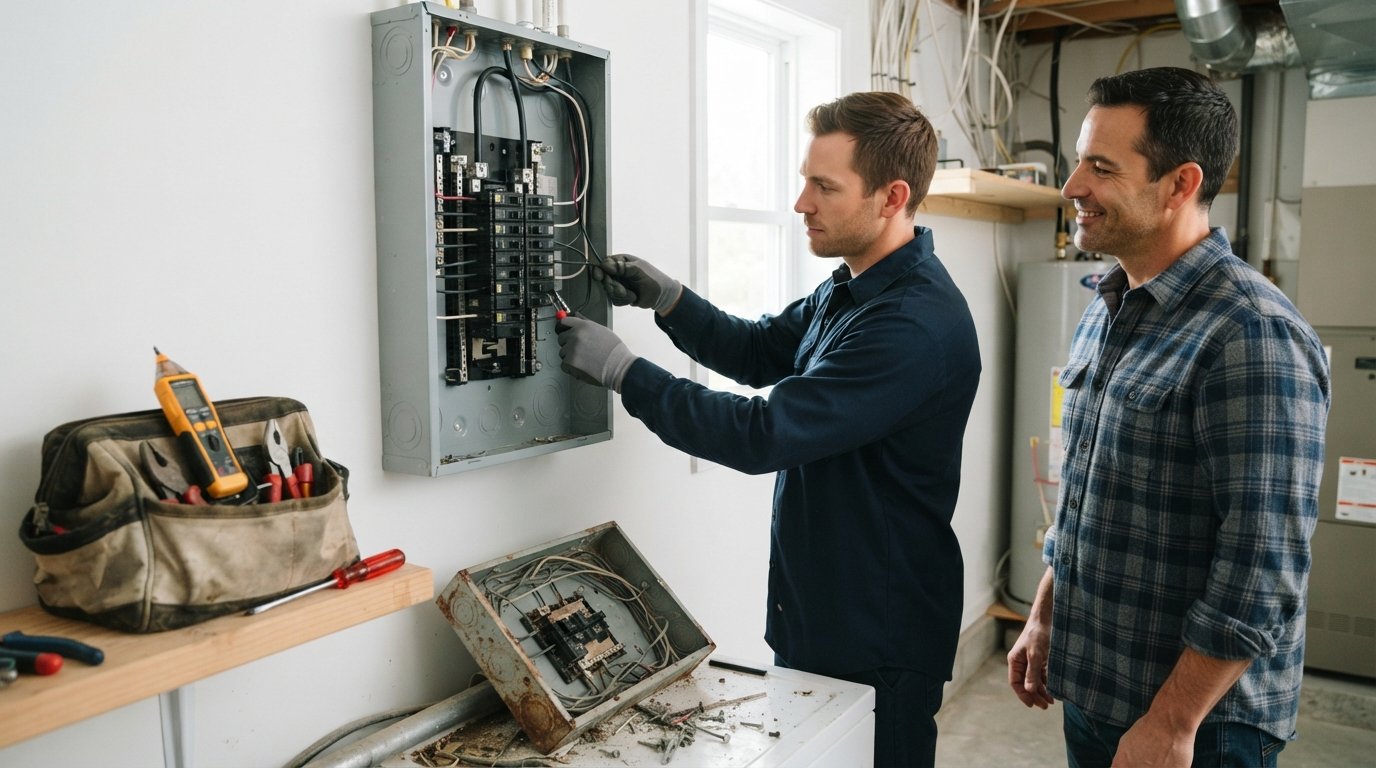
A typical upgrade involves replacing the entire panel, including the main breaker, bus bars, and all branch circuit breakers. The electrician will also inspect the wiring connections, grounding system, and sometimes need to upgrade the service entrance cable that runs from the utility meter to the panel. In some cases, if the utility service itself is insufficient, a service upgrade may also be required, which involves coordinating with your local power company. This is a job for a licensed electrician, as it involves working with live utility connections and requires permits and inspections to ensure compliance with local building codes.
The project's scope can vary significantly based on your home's age, the existing electrical setup, and the amperage you need. Most modern homes require a 200-amp panel, while older homes often have 60-amp or 100-amp systems. Upgrading to 200 amps is the most common recommendation because it provides ample capacity for current needs and future additions. A 200-amp panel can handle the simultaneous operation of multiple major appliances, making it a smart choice for families who plan to stay in their homes for years to come.
Electrical Panel Upgrade Cost: What to Expect
The cost of an electrical panel upgrade is influenced by several factors, including the panel's amperage, the complexity of the installation, labor rates in your area, and whether any additional electrical work is needed. On average, homeowners can expect to pay between $1,200 and $3,500 for a standard 200-amp panel replacement, with the national average hovering around $2,300. However, prices can range from as low as $850 for a simple 100-amp swap to over $4,500 for a 400-amp service upgrade or a panel replacement that requires significant rewiring.
Here is a breakdown of typical cost components:
- Panel and breakers: $200 to $600, depending on brand, amperage, and whether you need AFCI or GFCI breakers.
- Labor: $500 to $1,500, based on the electrician's hourly rate and the project's complexity.
- Permits and inspections: $100 to $300, required by most municipalities.
- Service upgrade (if needed): $500 to $2,000, which includes upgrading the mast, meter base, and service entrance cable.
- Additional rewiring or fixes: $200 to $1,000, if the electrician discovers unsafe wiring or outdated components.
The actual cost in your area can differ based on local labor rates and permit fees. For instance, urban areas with a higher cost of living will typically see higher quotes. It is always wise to obtain multiple estimates from licensed electricians to ensure you are getting a fair price. A reputable contractor will provide a detailed, itemized quote that explains the scope of work, the materials used, and any potential additional costs. This transparency is crucial to avoid surprise bills later.
Five Key Benefits of Upgrading Your Electrical Panel
Beyond the obvious safety improvements, an electrical panel upgrade offers several advantages that directly impact your daily life and your home's long-term value. Here are the top five benefits you can expect:
- Increased safety: Reduces the risk of electrical fires and shocks by replacing old, faulty breakers and wiring.
- Improved reliability: Eliminates frequent tripping and flickering lights, providing stable power to all your devices.
- Supports modern appliances: Enables the safe installation of high-wattage appliances like EV chargers, heat pumps, and tankless water heaters.
- Home resale value: A modern 200-amp panel is a selling point for buyers and can increase your home's marketability.
- Potential insurance discounts: Some insurers offer lower premiums for homes with updated electrical systems, so check with your provider.
Each of these benefits contributes to a more comfortable and secure living environment. For example, the safety aspect alone is worth the investment, as electrical failures are a leading cause of residential fires. By upgrading, you are not just fixing a nuisance; you are proactively protecting your family and property. Moreover, the ability to use modern appliances without worry enhances your quality of life, whether that means charging your electric car overnight or enjoying a new induction range.
When Is the Right Time to Upgrade?
Knowing when to upgrade is as important as understanding the costs. If you experience any of the following, it is time to consult a licensed electrician about a panel upgrade:
- Frequent breaker trips, especially when multiple appliances are running.
- Burning smells from the panel or warm panels on the breaker box.
- Scorch marks, rust, or signs of corrosion inside the panel.
- Fuse boxes instead of circuit breakers, which are outdated and unsafe.
- Planning a major renovation or adding high-demand appliances.
Ignoring these signs can lead to costly damage or dangerous situations. For example, a panel that cannot handle the load will cause breakers to trip constantly, which can damage sensitive electronics and lead to potential overheating. In severe cases, the main breaker may fail, leaving you without power entirely. Upgrading proactively is always more affordable than dealing with an emergency failure, which often requires expedited service and may cause secondary damage to your electrical system.
Another consideration is your home's insurance policy. Many insurance companies require that the electrical system be up to code, and an outdated panel can be a reason for denial or increased premiums. An upgraded panel can also make it easier to obtain coverage for renovations or new home purchases. If you are planning to sell your home, a modern panel is a strong selling point, as buyers are often wary of hidden electrical issues. In fact, many real estate agents recommend upgrading the panel before listing, as it can prevent negotiations from stalling over inspection findings.
How to Save Money on Your Panel Upgrade
While an electrical panel upgrade is a significant expense, there are ways to manage the costs without compromising on quality. First, shop around and obtain at least three quotes from licensed electricians. Compare not only the price but also the electrician's experience and reviews. A slightly higher quote from a highly recommended pro is often worth the peace of mind. Second, consider scheduling the work during off-peak seasons, such as late winter or early spring, when electricians may have more availability and offer discounts. Third, if your panel is in an accessible location, such as a garage or basement wall, the installation will be simpler and less costly than if it is in a cramped crawlspace or behind drywall.
Additionally, ask your electrician about the specific breakers and panel brand they use. Some premium brands are more expensive, but they may offer better warranties or features. However, standard, reliable panels from major manufacturers like Square D, Eaton, or Siemens are typically sufficient and more budget-friendly. Also, check with your local utility company for rebates or incentives for electrical upgrades, especially if you are installing energy-efficient appliances or an EV charger simultaneously. These rebates can offset some of the upfront costs.
Finally, consider bundling the panel upgrade with other electrical work you may need, such as adding new circuits or upgrading outlets. Combining projects can reduce labor costs, as the electrician will already be on site and the panel will be open. This is an excellent time to address any other electrical deficiencies you have noticed, ensuring your entire system is safe and up to code. To get started, you can connect with experienced local contractors through platforms like HomeRemodelingsContractors, which can help you compare free estimates and find a qualified pro for your project.
Long-Term Value and Return on Investment
Investing in an electrical panel upgrade is not just about immediate fixes; it is a strategic improvement that pays off over time. The average return on investment for an electrical panel upgrade is around 75% to 80%, meaning that if you spend $2,000, you can add approximately $1,500 to $1,600 to your home's resale value. This is comparable to other major home improvements like kitchen or bathroom remodels, but with a lower upfront cost and higher safety impact. Moreover, the upgrade enables you to install energy-efficient systems that can reduce your monthly utility bills, such as heat pumps, solar panels, or electric water heaters.
Furthermore, a modern panel can future-proof your home. As technology continues to evolve, the demand for electricity will only increase. Whether it is the rise of electric vehicles, smart home devices, or home batteries, having a 200-amp panel ensures you are ready for these advancements without needing another costly upgrade. For homeowners who plan to live in their homes for many years, this peace of mind is invaluable. In contrast, sticking with an outdated panel can limit your options and require emergency expenses down the line.
It is also important to consider the insurance aspect. Some insurance companies offer discounts of 5% to 10% for homes with updated electrical panels, as it reduces the risk of fire claims. Over time, these savings can accumulate, partially offsetting the initial investment. To maximize these benefits, be sure to keep all documentation of the upgrade, including the permit and inspection certificate, and provide it to your insurance agent and potential buyers.
Upgrading your electrical panel is a decision that combines safety, functionality, and financial prudence. By understanding the costs and benefits, you can plan effectively and avoid the stress of unexpected failures. The initial expense is justified by the protection it provides to your family and the long-term value it adds to your home. If you have been experiencing any warning signs, do not wait. Consult a licensed electrician today to assess your system and get a free estimate. Taking this step now can save you from much larger problems in the future, ensuring your home is safe, efficient, and ready for whatever the next decade brings.