
DIY vs Hiring a Pro for Home Repairs: When to Call
Use this DIY vs hiring a pro for home repairs when to call someone guide to decide safely. Call (833)-365-8755 for free local estimates.

By Leo Cross
Learn more about General Contracting for guides, costs, and what to expect.
Compare General Contracting Pros Near You

Enter your ZIP code to compare top-rated local professionals and request free quotes.
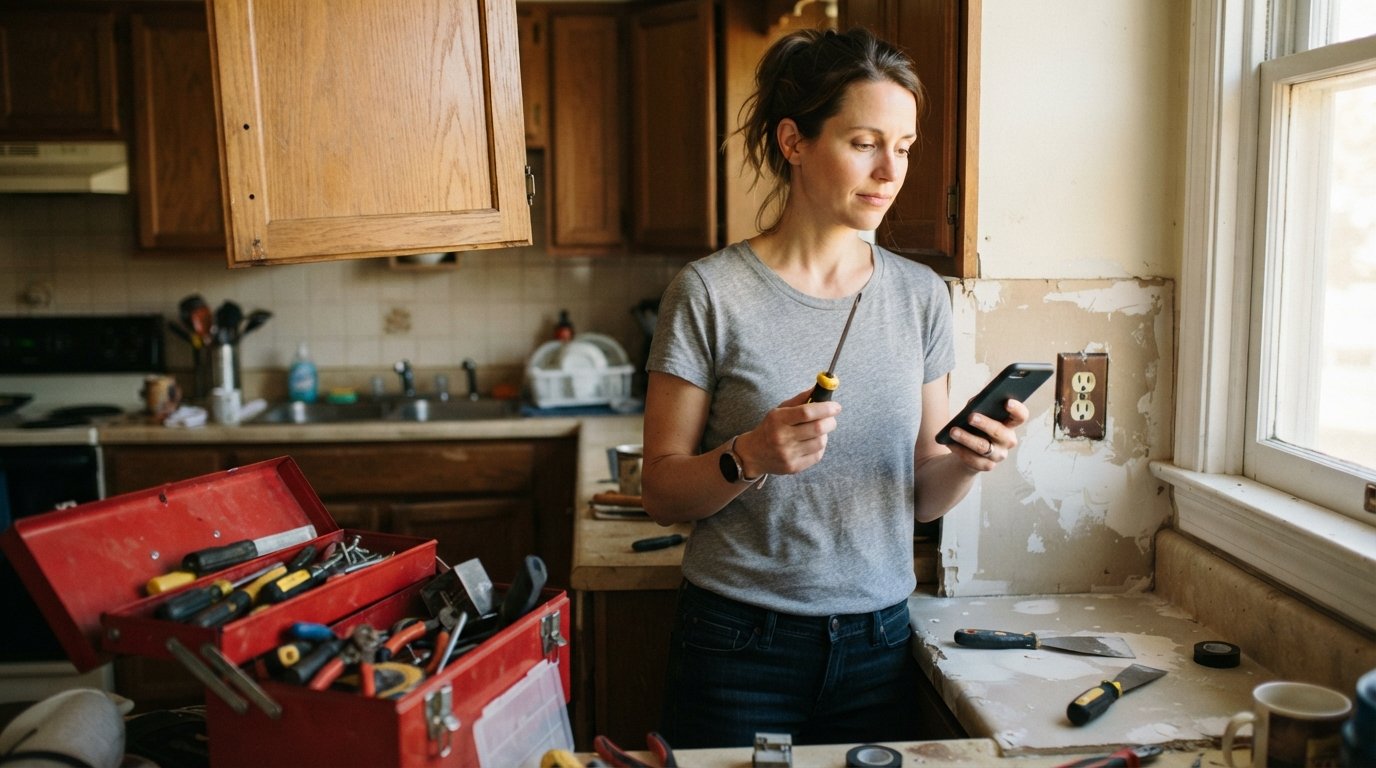
You are standing in your kitchen, staring at a flickering outlet and a cabinet door that will not close. The urge to grab a screwdriver and handle it yourself is strong, especially with labor costs climbing. But before you start unscrewing faceplates or tearing out drywall, there is a decision to make that affects your safety, your wallet, and your home's resale value. The line between a satisfying weekend project and a costly disaster is often thinner than it looks. Knowing when to pick up the tool belt and when to pick up the phone is a skill every homeowner needs, and it starts with understanding the real risks behind the drywall.
The Hidden Risks That Separate DIY from a Pro Job
DIY home repairs can be deeply rewarding. You save money, learn new skills, and get the satisfaction of fixing something with your own hands. Painting a bedroom, replacing a faucet, or patching a small hole in drywall are all reasonable projects for a confident homeowner. The trouble starts when the project moves beyond cosmetic fixes and into systems that keep your home safe, dry, and structurally sound. Water, electricity, and gas do not forgive amateur mistakes. A leaky pipe can rot a subfloor for months before you notice. A miswired outlet can start a fire inside a wall. A gas line with a slow leak is a silent hazard.
Beyond physical safety, there is a legal and financial layer that many homeowners overlook. Local building codes exist for a reason, and many repairs require a permit and inspection. When you skip the permit, you are not just breaking the rules; you are creating a paper trail problem that can surface years later when you try to sell. Unpermitted work can derail a sale, complicate insurance claims, and leave you on the hook for costly corrections. The decision between DIY and hiring a pro is not just about skill level. It is about risk tolerance, legal requirements, and long-term consequences.
This guide breaks down the projects you should never touch yourself, the ones where DIY genuinely saves money, and the cost math you need to run before you decide. It also covers how to protect your investment when you do bring in a professional, including how to find vetted local contractors who can handle the work without surprise bills.
Projects That Require a Licensed Trade or a Permit Regardless of Skill
Some home repairs are restricted by law, not just by difficulty. Even if you are a skilled woodworker or a confident tinkerer, certain tasks require a licensed professional and a municipal permit. The reasons range from fire safety to public health. Electrical work, gas line installation, structural modifications, and major plumbing changes typically fall into this category. Building departments require permits so that a qualified inspector can verify the work meets code. This protects you, future owners, and anyone who enters the home.
Here are the most common projects that require a licensed trade or a permit, no matter how handy you are:
- Electrical panel upgrades or new circuits: Adding a circuit for a hot tub, installing a subpanel, or replacing an old fuse box requires a licensed electrician and a permit. Mistakes here can cause fires or electrocution.
- Gas line work: Installing a gas range, running a line to a grill, or repairing a gas furnace is not a DIY task. Gas leaks are invisible and deadly, and most jurisdictions require a licensed plumber or gas fitter.
- Structural changes: Removing a load-bearing wall, cutting a new beam, or adding a room addition requires engineering and permits. Guessing at load paths can lead to sagging floors or collapse.
- Major plumbing reroutes: Moving a toilet, adding a bathroom, or replacing a main water line usually requires a permit and a licensed plumber to ensure proper venting and drainage.
- Roof replacement: While some homeowners tackle small roof patches, a full replacement requires permits and proper flashing details that are easy to get wrong. Improper installation can void manufacturer warranties.
If you are unsure whether your project requires a permit, call your local building department. They are usually happy to answer questions, and the call is free. Skipping the permit to save a few hundred dollars can cost thousands in fines or remediation later. When in doubt, treat the project as a pro job.
Safety-Critical Systems: Gas, Electrical Panels, and Structural Work
Safety-critical systems deserve special emphasis because the consequences of failure are severe. Gas, electrical, and structural work are the three areas where DIY mistakes can kill or cause catastrophic property damage. A gas leak can lead to an explosion. An electrical arc can ignite insulation inside a wall. A compromised structural beam can bring down a ceiling. These are not hypothetical risks; they are the reason licensing exists.
Consider the electrical panel. Replacing a circuit breaker seems straightforward, but the panel is the heart of your home's electrical system. One mistake can backfeed power onto the grid, endangering utility workers. Another can create a loose connection that overheats and starts a fire. Licensed electricians understand load calculations, grounding, and code requirements that are invisible to the untrained eye. The same logic applies to gas work. A tiny leak at a fitting can accumulate over time. You cannot see or smell natural gas at low concentrations, and by the time you do, the risk is already high.
Structural work carries its own set of dangers. Homeowners sometimes remove a wall without realizing it is load-bearing. The result can be a sagging floor, cracked drywall, or a roof that shifts. Structural repairs also require an engineer's stamp in many cases, and inspectors will want to see the calculations. If you are planning any project that changes the footprint or load path of your home, bring in a professional. The cost of an engineer or a licensed contractor is a fraction of the cost of repairing a collapsed structure.
For these safety-critical systems, the decision is simple: hire a licensed professional. The risk is not worth the savings. If you need help finding a qualified expert, services like HomeRemodelingsContractors.com can help you plan affordable home improvement projects and connect with experienced local contractors. They offer free estimates so you can compare options and move forward with confidence.
The Cost Math: DIY Time, Tool Rental, and Mistake Risk
DIY projects are often pitched as money savers, and sometimes they are. But the true cost of DIY includes more than the price of materials. You need to account for your time, tool purchases or rentals, and the risk of mistakes. When you add those factors in, the savings can shrink or disappear entirely. Running the numbers before you start is the best way to make a rational decision.
Start with your hourly value. If you earn $30 per hour at your job, a project that takes 10 hours of your weekend is costing you $300 in opportunity cost, even if you do not see it on a receipt. Then add tool costs. A tile saw rental might be $60 per day. A power snake for plumbing might be $50. If you need to buy a specialized tool you will only use once, the cost can exceed the labor you would have paid a pro. Finally, factor in mistake risk. A botched paint job costs a few hundred dollars to fix. A botched shower pan can cost thousands in water damage and mold remediation.
Here is a simple framework to compare DIY versus hiring a pro:
- Estimate the pro cost: Get two or three free estimates from local contractors. This gives you a baseline.
- Calculate your DIY cost: Add materials, tool rental or purchase, permit fees (if required), and your time at a reasonable hourly rate.
- Assess the mistake risk: If the project fails, what is the repair cost? Multiply that by a rough probability of failure based on your experience. If the number is high, hire a pro.
- Compare and decide: If DIY saves less than 20 percent after accounting for time and risk, the pro is usually the better value.
This math often reveals that DIY is only a clear winner for smaller projects where you already own the tools and the risk of failure is low. For anything complex, the pro's efficiency and warranty often justify the price. Remember that licensed contractors also carry insurance, which protects you if something goes wrong on the job.
Insurance and Resale Consequences of Unpermitted DIY Work
One of the most overlooked aspects of DIY home repairs is how they affect your insurance and your ability to sell. Insurance companies expect that work on your home meets current building codes. If you do unpermitted electrical or plumbing work and later have a fire or flood, the insurer may deny your claim. They can argue the damage was caused by non-compliant work, leaving you to pay for repairs out of pocket. That is a risk many homeowners do not consider until it is too late.
Resale is another major concern. When you sell your home, the buyer's inspector will look for signs of unpermitted work. Missing permits can show up as a red flag in the disclosure process. Buyers may demand a discount, or they may walk away entirely. Lenders may also refuse to finance a home with unpermitted additions or structural changes. Even if the work was done well, the lack of paperwork creates uncertainty, and uncertainty costs money. In many cases, the seller ends up paying for a retroactive permit and inspection, which can be expensive and time-consuming.
To protect yourself, always pull permits when required. If you hire a contractor, verify that they will pull the permits and schedule inspections. Reputable contractors expect this and build it into their process. If you are considering a DIY project that requires a permit, think twice. The short-term savings are rarely worth the long-term headaches. For a deeper look at why licensed professionals are worth the investment, see our guide on licensed contractors: why hiring a pro pays off.
Where DIY Saves Real Money: Paint, Demo, Landscaping, and Caulking
Not every project needs a pro. In fact, some of the most common home repairs are perfectly suited for DIY, and doing them yourself can save you real money without much risk. The key is to choose projects where mistakes are cosmetic, reversible, or inexpensive to fix. Painting is the classic example. A fresh coat of paint transforms a room for a fraction of the cost of hiring a painter. The tools are inexpensive, the skills are easy to learn, and if you mess up, you can paint over it. The same goes for caulking. Recaulking a tub or window is a simple maintenance task that prevents water damage and costs almost nothing.
Demolition is another area where DIY shines. Tearing out old cabinets, removing a shed, or ripping up carpet can be hard work, but it is straightforward and low-risk if you take safety precautions. You need to know what is behind the wall before you swing a sledgehammer, but once you have confirmed there are no wires or pipes, demo can save you hundreds of dollars in labor. Landscaping is similarly forgiving. Planting shrubs, spreading mulch, and building a simple garden bed are projects where mistakes are easy to correct and the learning curve is gentle.
Here are the DIY projects that typically offer the best return on your time:
- Interior painting: Low material cost, high visual impact, minimal risk.
- Caulking and weatherstripping: Cheap, quick, and improves energy efficiency.
- Demo work: Labor-intensive but simple, provided you have checked for hazards.
- Basic landscaping: Mulching, planting, and minor bed maintenance.
- Changing light fixtures (with the breaker off): A simple swap that does not require new wiring.
These projects are also good opportunities to learn. As you build confidence, you can take on slightly more complex tasks, but always respect the limits of your knowledge. If a project involves opening walls, running new wire, or changing plumbing, it is time to call a pro. For everything else, a little research and the right tools can save you a significant amount.
How to Decide and How to Hire When You Need a Pro
When you have weighed the risks, run the cost math, and considered insurance and resale, you will usually know whether a project is DIY or pro. If you decide to hire, the next step is finding the right person. The best place to start is with free estimates. Getting multiple quotes helps you understand the market rate and compare approaches. Ask for references, verify licenses, and confirm insurance. A reputable contractor will be happy to provide this information.
For homeowners who want a streamlined way to connect with vetted local professionals, BuySellRemodel offers a network of experienced contractors across multiple trades. You can request free estimates in minutes and compare options without pressure. The platform is designed for budget-conscious homeowners who want quality work without the guesswork. Whether you need a plumber for a hidden leak or an electrician for a panel upgrade, starting with a free estimate is the smart move.
In the end, the DIY versus hiring a pro decision comes down to a simple principle: if the project could harm you, damage your home, or create a legal liability, hire a licensed professional. If it is cosmetic, low-risk, and you have the time and tools, DIY can be a rewarding way to save money. Use the frameworks in this guide to make a confident choice, and never be afraid to call in an expert when the stakes are high. HomeRemodelingsContractors