
Choosing the Right Durable Materials for a Bathroom Remodel
Choosing the right durable materials for a bathroom remodel protects your investment and prevents costly water damage for decades.

By Leo Cross
Learn more about Bathroom Remodel for guides, costs, and what to expect.
Compare Bathroom Remodel Pros Near You

Enter your ZIP code to compare top-rated local professionals and request free quotes.
A bathroom remodel is one of the smartest investments a homeowner can make, but the finished result is only as good as the materials hidden beneath the tile and behind the walls. Water, steam, heavy traffic, and daily cleaning take a toll that few other rooms endure. Choose wisely and your bathroom can look beautiful for twenty years or more. Choose poorly and you may face cracked grout, peeling paint, moldy drywall, and costly repairs within just a few seasons.
This guide walks through the durable materials that hold up best in real bathrooms, explains where each one earns its keep, and shows how to balance performance with the budget you actually have. Whether you are planning a full gut renovation or a targeted upgrade, the choices below will help you spend money where it matters most.
Start With the Substrate: Floors and Walls
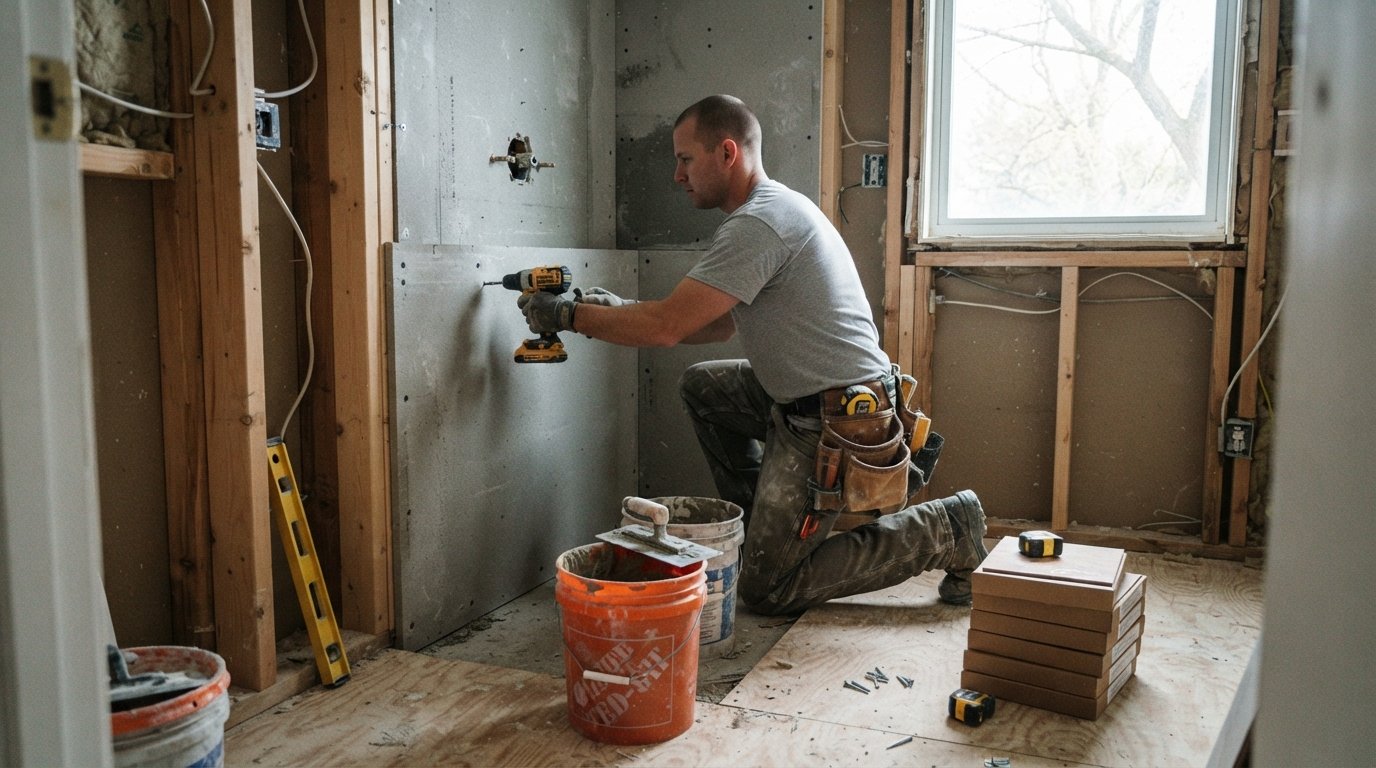
Every durable bathroom begins with what you cannot see. Floor and wall substrates determine how well the finished surface resists movement, moisture, and time. Cement backer board remains the gold standard behind tile in wet areas such as showers, tub surrounds, and floors. It does not swell, rot, or feed mold the way standard drywall or plywood can. Fiber cement and foam-core tile backer panels are also excellent options, and foam boards are lighter and easier to cut, which can reduce labor time.
On the floor, a properly installed substrate should sit over a plywood subfloor that has been checked for deflection. A floor that flexes will crack grout and tile no matter how premium the surface material is. If you are remodeling an older home, ask your contractor to verify joist spacing and add blocking or a second layer of plywood where needed. This is one of those invisible upgrades that separates a bathroom that lasts from one that fails.
For walls outside the shower, moisture-resistant drywall (often called greenboard) is acceptable, but it is not a substitute for cement board in wet zones. Many contractors now recommend using cement or fiber cement board on all bathroom walls simply because it handles humidity better over decades. The cost difference is modest compared to the protection it provides.
Tile: Porcelain, Ceramic, and Natural Stone Compared
Tile is the workhorse of bathroom surfaces, and porcelain is the most durable choice for floors and shower walls. Porcelain is denser and less porous than standard ceramic, which means it resists water absorption, staining, and chipping far better. It also comes in a huge range of styles that mimic marble, wood, and concrete, so you do not have to sacrifice design for performance.
Ceramic tile costs less and works well on walls, but it is softer and more prone to cracking under foot traffic. Natural stone such as marble, travertine, and slate offers unmatched beauty, yet it requires sealing and more careful maintenance. In a busy family bathroom, porcelain usually wins on practicality.
Grout and caulk matter as much as the tile itself. Epoxy grout resists stains and mildew better than cement-based grout, though it costs more and takes more skill to install. Use flexible silicone caulk at all changes of plane, such as where the wall meets the floor or the tub meets the surround, because rigid grout will crack there as the house moves.
Vanity Tops and Cabinets Built to Last
The vanity takes a beating from water, cosmetics, hot styling tools, and daily use. Quartz is the most forgiving countertop material for a bathroom because it is non-porous, does not need sealing, and resists scratches and stains. Granite and natural stone are durable but require periodic sealing. Solid surface materials like acrylic and polyester blends are repairable and seamless, which makes them a strong mid-range option.
For the cabinet box, plywood outperforms particleboard in humid rooms. Particleboard swells when it gets wet, and once it does, it never returns to its original shape. Look for plywood construction with a moisture-resistant finish, full-extension drawer glides, and soft-close hinges. These details add years of smooth operation.
If you are working within a tight budget, you can often keep the existing cabinet boxes and replace only the doors, drawers, and hardware. This approach delivers a dramatic visual change for a fraction of the cost of a full vanity replacement. For more money-saving tactics, see our guide on bathroom remodeling on a budget, which covers where to splurge and where to save.
Fixtures: Metals, Finishes, and Longevity
Faucets, showerheads, and valves are used multiple times every day, so cheap fixtures are a false economy. Solid brass bodies with ceramic cartridge valves last far longer than plastic internals. Look for finishes such as brushed nickel, matte black, or polished chrome, all of which hide water spots and resist corrosion well when properly made.
When comparing fixtures, a few features separate durable products from disposable ones:
- Solid metal construction rather than plastic or zinc alloy
- Ceramic disc cartridges instead of rubber washers
- PVD (physical vapor deposition) finishes that resist tarnishing
- Replaceable cartridges and accessible shutoff valves
Those four details tell you more about longevity than brand name alone. A mid-priced faucet with a solid brass body and ceramic cartridge will typically outlast a decorative fixture that looks expensive but uses plastic internals.
Shower Systems and Waterproofing Layers
A durable shower depends on a complete waterproofing system, not just tile and grout. Modern installations use a bonded sheet membrane or a liquid-applied waterproofing layer over the substrate, with pre-formed corners and a sloped shower pan that directs water to the drain. Skipping this step is the most common cause of hidden water damage and mold.
Shower glass should be tempered safety glass, and frameless enclosures look sleek but require sturdy hardware and precise installation. If you prefer a shower curtain, choose a liner that can be washed or replaced cheaply, and consider a curved rod to keep water inside the enclosure. The goal is to keep water where it belongs and make cleaning easy.
Ventilation ties the whole system together. A properly sized exhaust fan that runs during and after showers pulls humid air outside before it can soak into walls and ceilings. Pair a durable fan with a timer or humidity sensor so it operates long enough to do its job without relying on memory.
Flooring Options Beyond Tile
Tile is not the only durable bathroom floor. Luxury vinyl plank (LVP) has become a popular choice because it is waterproof, comfortable underfoot, and simple to install. High-quality LVP with a thick wear layer can handle bathroom traffic for many years. Sheet vinyl is even more water-resistant and seamless, which makes it a good fit for kids' bathrooms.
Natural stone floors look stunning but require sealing and can be slippery when wet. If you choose stone, add a nonslip finish or use small mosaic tiles with more grout lines for traction. Whatever floor you select, the installation quality matters as much as the material. Uneven subfloors, poor thinset coverage, and skipped expansion gaps cause failures that no premium product can prevent.
Before you commit to any material, get quotes from experienced local professionals who can assess your subfloor, plumbing, and ventilation. Platforms like HomeRemodelingsContractors help homeowners compare free estimates and connect with vetted contractors, which makes it easier to choose the right pro for the job and avoid expensive mistakes.
Lighting, Ventilation, and Moisture Control
Durable materials only perform well in a bathroom that manages moisture. Lighting and ventilation work together to keep surfaces dry and safe. Damp-rated LED fixtures resist corrosion and last for years, and layering ambient, task, and accent light makes the room safer and more enjoyable.
Place task lighting near the mirror for grooming and ambient lighting overhead for general illumination. Add a night light or dimmer for late-night visits. All fixtures in wet zones should be rated for damp or wet locations, and GFCI outlets are required near sinks for safety.
Ventilation deserves special attention because it protects every material in the room. An undersized fan or a duct that terminates in the attic rather than outside will push moist air into the structure, where it can cause rot and mold. Have your contractor confirm that the fan is sized for the room volume and that the duct runs to the exterior with a proper termination cap.
How to Prioritize When the Budget Is Limited
Not every bathroom remodel needs top-tier materials in every location. A practical way to prioritize is to rank each element by how hard it is to replace later. Waterproofing, plumbing rough-in, and ventilation are nearly impossible to upgrade without tearing out finished surfaces, so invest there first. Tile, vanities, and fixtures can be swapped later with far less disruption.
A simple framework for allocating your budget looks like this:
- Waterproofing, substrate, and plumbing rough-in
- Ventilation and electrical work
- Tile and flooring
- Vanity, countertop, and fixtures
- Paint, mirrors, and decorative accents
Following this order keeps the expensive, hidden work protected by quality materials while giving you room to save on visible items that are easy to change. It also reduces the risk of discovering a failed shower pan or leaking valve after the room is finished.
Finally, remember that durability is a system, not a single product. A porcelain tile floor over a flexible subfloor will crack. A quartz countertop over a swollen particleboard cabinet will sag. A beautiful shower with poor ventilation will grow mold. Choose materials that work together, and hire installers who understand how each layer depends on the others.
Take the time to match materials to the way your bathroom is actually used, get multiple estimates, and ask contractors to explain their waterproofing and ventilation methods in plain language. When you choose durable materials and skilled installation together, your bathroom remodel becomes a lasting upgrade instead of a recurring repair bill.