
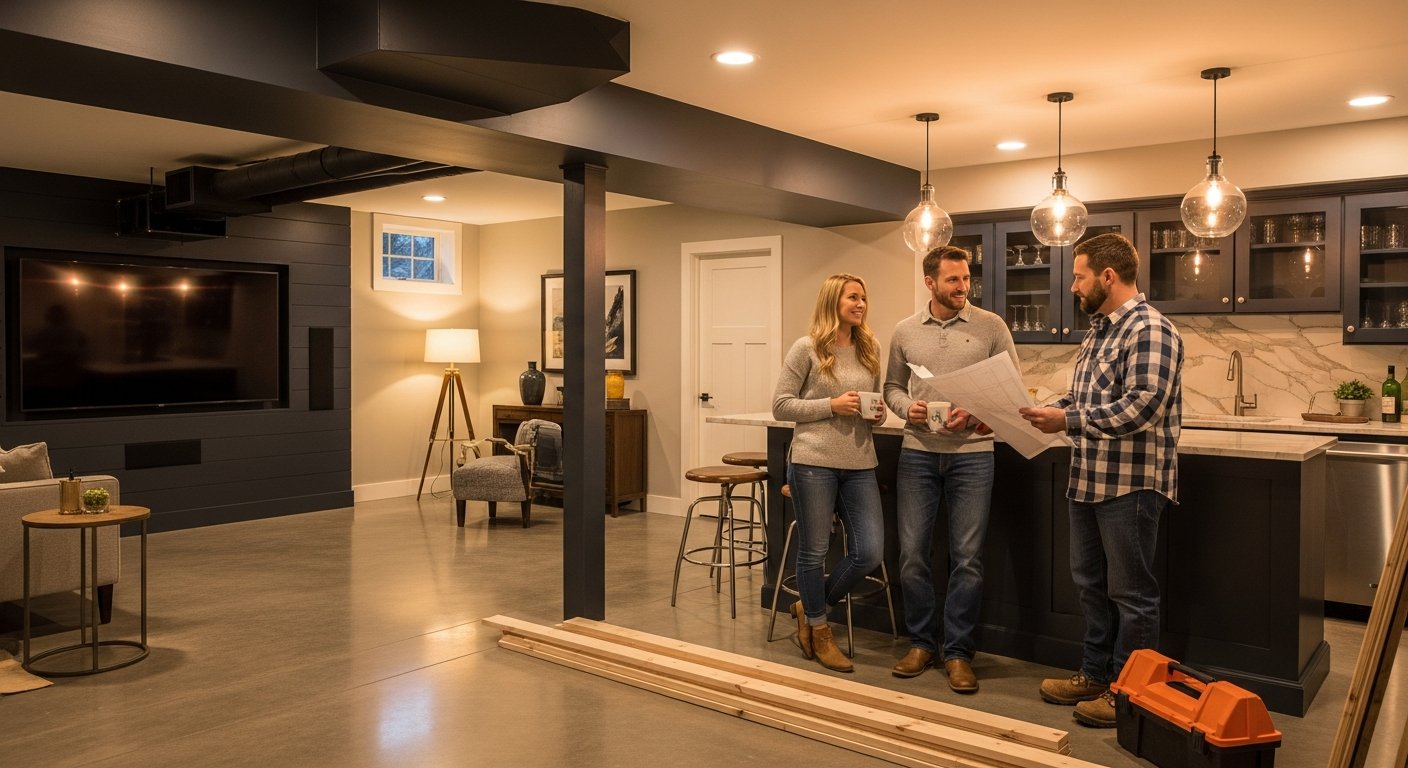
Basement Remodeling Costs and Ideas for 2026
Discover how basement remodeling can add value and space to your home. Learn budgeting tips, design ideas, and how to hire the right contractor.

By Liam Weston
Learn more about Basement Finishing or Remodeling for guides, costs, and what to expect.
Compare Basement Finishing or Remodeling Pros Near You

Enter your ZIP code to compare top-rated local professionals and request free quotes.
Your basement is more than a storage space for holiday decorations and old furniture. It is a blank canvas with the potential to become a home theater, a guest suite, a home office, or a rental unit that generates steady income. But before you start picking paint colors and flooring, you need a realistic plan that covers design, budgeting, and contractor selection. Basement remodeling is one of the most rewarding home improvement projects you can tackle, yet it also comes with unique challenges like moisture control, building codes, and significant upfront costs. This guide walks you through every stage of the process, from initial planning to final walkthrough, so you can make informed decisions and avoid costly surprises.
Whether you are a first-time homeowner or a seasoned renovator, understanding the full scope of a basement remodel is essential. The choices you make early on, such as whether to hire a general contractor or manage the project yourself, will shape your budget and timeline. With the right approach, you can transform an underused space into a valuable extension of your home. Let's explore what it takes to do it right.
Why Remodel Your Basement?
A finished basement adds livable square footage without the expense of a traditional home addition. According to the National Association of Realtors, a finished basement can recoup up to 70% of its renovation cost in added home value. That makes it one of the most cost-effective ways to increase your property's worth. Beyond the financial return, a remodeled basement gives you a versatile space that adapts to your family's changing needs. You might use it as a playroom for young children now, then convert it to a home gym or media room later.
Another key benefit is energy efficiency. Unfinished basements are often drafty and poorly insulated, which drives up heating and cooling bills. By insulating walls, sealing cracks, and upgrading windows, you can improve your home's overall thermal performance. This not only makes your basement more comfortable but also reduces monthly utility costs. When you combine added square footage, increased home value, and lower energy bills, the case for remodeling becomes compelling.
Planning Your Basement Remodel
Before you call a contractor or visit a showroom, spend time defining your goals. What do you want the space to be? A rental unit with a separate entrance requires different planning than a home office. Consider how you will use the space now and in the next five to ten years. Write down a list of must-haves and nice-to-haves. This clarity will guide your design decisions and help you communicate your vision to professionals.
Next, assess the current condition of your basement. Look for signs of moisture, such as water stains, musty odors, or efflorescence (white powdery residue on walls). Check the ceiling height, since most building codes require at least 7 feet of clearance for habitable spaces. If your basement is too short, you may need to lower the floor or dig out, which adds significant cost. Also, inspect the location of utility lines, ductwork, and support columns, as these can affect your layout and require relocation.
Once you have a clear picture of your space and goals, create a realistic budget. Basement remodeling costs vary widely, but a typical range is $25,000 to $55,000, with a national average around $40,000. This includes labor, materials, permits, and design fees. High-end finishes, custom features, or structural work can push costs higher. To avoid sticker shock, get free estimates from several local contractors. BuySellRemodel can connect you with experienced pros who provide transparent, no-obligation quotes, helping you compare prices and scope.
Budgeting for Hidden Costs
Most homeowners focus on visible expenses like flooring and paint, but hidden costs can derail a budget. These may include:
- Permits and inspection fees, which vary by city and county
- Moisture remediation, such as waterproofing or sump pump installation
- Electrical panel upgrades if you add new circuits or appliances
- Plumbing rough-ins for a bathroom or wet bar
- Soundproofing between floors to reduce noise transfer
Budget an extra 10% to 20% for contingencies. Surprises like mold behind drywall or outdated wiring are common, and having a buffer prevents financial stress. When reviewing estimates, ask contractors to itemize costs for each line item. This transparency helps you spot areas where you can save without sacrificing quality.
Designing Your Basement Layout
Your basement layout should maximize functionality while respecting structural constraints. Start by mapping out the existing elements: stairs, windows, doors, and mechanical systems. These fixed points dictate where you can place rooms and openings. For example, a bathroom needs access to plumbing vent stacks, so it is best located near existing drain lines. A bedroom requires an egress window for safety, which may limit where you can build it.
Open-concept designs work well for basements because they make the space feel larger and more inviting. You can define zones with area rugs, furniture arrangements, or partial walls instead of full partitions. If you need privacy for a guest suite or home office, consider using frosted glass doors or sliding barn doors to maintain an airy feel while still closing off the space. Built-in shelving and cabinetry can hide clutter and provide storage without eating up floor area.
Lighting is another crucial element. Basements often have limited natural light, so you need a layered lighting plan. Use recessed can lights for general illumination, under-cabinet lighting for task areas, and floor lamps or sconces for ambiance. Choose light paint colors and reflective surfaces to brighten the room. If you have low ceilings, avoid hanging fixtures that reduce headroom; instead, use flush-mount lights or track lighting.
Choosing Materials and Finishes
Selecting the right materials is essential for durability and moisture resistance. For flooring, luxury vinyl plank (LVP) is a top choice because it is waterproof, easy to install, and mimics wood or stone at a lower cost. Ceramic or porcelain tile is another excellent option for basements, especially in areas prone to spills or humidity. Avoid solid hardwood, which can warp and buckle in damp conditions. If you prefer carpet, choose a low-pile style with a moisture-resistant backing, and install a vapor barrier underneath.
For walls, drywall is standard, but you should use moisture-resistant green board in areas with high humidity. Alternatively, consider fiberglass-faced drywall or cement board for extra protection. Insulate walls with rigid foam boards or spray foam to prevent condensation and improve energy efficiency. For ceilings, drop ceilings with acoustic tiles offer easy access to plumbing and electrical systems, while drywall gives a cleaner, more polished look. If you have exposed ductwork or pipes, you can paint them a dark color to make them recede visually.
When it comes to fixtures and finishes, focus on quality over quantity. A well-made sink faucet, a durable countertop, and energy-efficient appliances will last longer and perform better. Because basements are prone to moisture, choose materials that resist mold and mildew. For example, use solid-surface countertops instead of laminate, which can swell if water seeps into seams. Also, consider installing a dehumidifier to maintain optimal humidity levels, protecting your investment.
Hiring the Right Contractor
Basement remodeling is not a weekend DIY project. It involves structural, electrical, and plumbing work that requires professional expertise. Hiring an experienced contractor ensures the job is done safely, meets code, and stands the test of time. But finding the right pro can be challenging. Here are key steps to guide your search:
- Ask for recommendations from friends, family, or neighbors who have completed similar projects.
- Use BuySellRemodel to get free estimates from vetted local contractors; this saves time and ensures you are comparing apples to apples.
- Verify licenses, insurance, and bonding before you sign any contract.
- Read online reviews and check references from recent basement projects.
- Interview at least three contractors, asking about their experience, timeline, and approach to problem-solving.
During interviews, pay attention to how contractors communicate. A good pro listens to your needs, offers suggestions, and is transparent about costs and challenges. Be wary of anyone who gives a quote without visiting your home or who pressures you to sign immediately. After you select a contractor, get everything in writing, including the scope of work, payment schedule, and warranty details.
Questions to Ask Before Hiring
Asking the right questions can reveal a contractor's competence and reliability. Consider these:
- How many basement remodels have you completed in the past year?
- Will you handle permits, or will I be responsible for that?
- How do you address moisture issues and waterproofing?
- Can you provide a detailed written estimate with line items?
- What is your timeline, and what factors could cause delays?
These questions not only help you assess the contractor's expertise but also establish clear expectations. A reputable contractor will welcome your inquiries and provide honest answers.
The Remodeling Process: Step by Step
Once you have hired a contractor, the remodeling process typically follows a predictable sequence. Understanding this timeline helps you prepare and reduces stress.
Step 1: Design and Permits. Your contractor finalizes the design, obtains necessary permits, and schedules inspections. This phase can take one to three weeks, depending on your municipality.
Step 2: Demolition and Prep. The old basement is cleared out, including walls, flooring, and any unwanted fixtures. The space is then cleaned and prepared for construction. This usually takes a few days.
Step 3: Rough-Ins. Electrical, plumbing, and HVAC systems are installed or rerouted. This is a critical phase that must pass inspection before walls are closed up.
Step 4: Framing and Insulation. Walls are framed, and insulation is installed. This step typically takes one to two weeks.
Step 5: Drywall and Finishing. Drywall is hung, taped, and painted. This is where the space starts to look like a room. It can take one to two weeks.
Step 6: Flooring and Fixtures. Flooring is installed, and sinks, toilets, lights, and other fixtures are mounted. This is the final major construction phase.
Step 7: Final Inspection and Cleanup. The contractor walks through the space with you, addresses any touch-ups, and schedules the final inspection. Once approved, you can enjoy your new basement.
Throughout the process, maintain open communication with your contractor. Schedule regular check-ins to review progress and address any concerns. If you notice issues, raise them early to avoid costly changes later.
Maximizing Your Return on Investment
To get the most value from your basement remodel, focus on features that appeal to future buyers. A second bathroom, a separate entrance, or a kitchenette can significantly boost resale value. Even if you do not plan to sell soon, these additions make your home more versatile and enjoyable. Energy-efficient upgrades, such as insulated windows and LED lighting, also attract eco-conscious buyers.
On the flip side, avoid over-customizing. A basement with a built-in sauna or a bowling alley may be fun for you, but it might not appeal to a broad range of buyers. Instead, stick to classic, neutral designs that can be easily personalized with decor. A simple color palette of grays, beiges, or whites, paired with high-quality finishes, creates a timeless look.
Another way to maximize return is to create a functional layout that maximizes usable space. Consider open areas that can serve multiple purposes, such as a large room with a designated home office nook. This flexibility appeals to buyers who have different needs. Also, ensure your basement is well-lit and feels welcoming; a bright, airy basement is far more attractive than a dark, cramped one.
Common Mistakes to Avoid
Even experienced homeowners make mistakes during basement remodels. Here are the most common pitfalls and how to avoid them:
- Ignoring moisture problems: Water intrusion can ruin your investment. Test for humidity and address any issues before finishing walls or floors.
- Skimping on insulation: Proper insulation is essential for comfort and energy efficiency. Use the right type for your climate and install it correctly.
- Overlooking building codes: Permits and inspections are non-negotiable. Skipping them can lead to fines and safety hazards.
- Hiring the cheapest bid: Low prices often mean low quality. Invest in a reputable contractor who offers fair, transparent pricing.
- Forgetting about ventilation: Basements can trap odors and moisture. Install proper ventilation, such as exhaust fans or an HRV system.
By avoiding these mistakes, you ensure your basement remodel is a success.
Financing Your Basement Remodel
If you do not have $40,000 in cash, you have several financing options. A home equity loan or home equity line of credit (HELOC) allows you to borrow against your home's value, often at lower interest rates than personal loans. Cash-out refinancing is another option, where you replace your mortgage with a larger loan and pocket the difference. For smaller projects, a personal loan or credit card with a 0% introductory APR may work, but be mindful of high interest rates.
Before borrowing, shop around for the best rates and terms. Your contractor may also offer financing through third-party lenders, but compare those terms with other offers. Remember that a basement remodel is an investment, so the cost of borrowing should not exceed the potential return. Use a home improvement loan calculator to estimate monthly payments and total interest.
If you are working with BuySellRemodel, you can request free estimates to get a clear picture of costs. This helps you determine how much you need to finance and ensures you are not overpaying for the project.
Working with BuySellRemodel
BuySellRemodel simplifies the contractor hiring process. Instead of scouring the internet or relying on word-of-mouth, you can submit a request for free estimates, and we connect you with vetted local contractors who match your project needs. Our network includes professionals specializing in basement remodeling, including general contractors, electricians, plumbers, and flooring experts. We help you compare quotes, review credentials, and make an informed decision without pressure.
Our platform is designed with your budget in mind. We understand that remodeling is a significant financial commitment, so we emphasize transparency and choice. You get multiple estimates, so you can find a contractor who fits your budget and expectations. Plus, our educational resources guide you through every step, from planning to execution.
When you choose a contractor through BuySellRemodel, you gain peace of mind knowing they are experienced and reliable. We do not perform the work ourselves; instead, we connect you with independent pros who deliver quality craftsmanship. Our goal is to make your basement remodeling journey smooth and successful.
Ready to start your basement remodel? Get free estimates from trusted local contractors today and take the first step toward a more functional, valuable home.
Learn more about Basement Finishing or Remodeling for guides, costs, and what to expect.
Compare Basement Finishing or Remodeling Pros Near You
Enter your ZIP code to compare top-rated local professionals and request free quotes.