
7 Red Flags When Hiring a Home Contractor
Spot the red flags when hiring a home contractor, from huge deposits to missing licenses, and protect your budget with this practical vetting guide.

By Liam Weston
Learn more about General Contracting for guides, costs, and what to expect.
Compare General Contracting Pros Near You

Enter your ZIP code to compare top-rated local professionals and request free quotes.
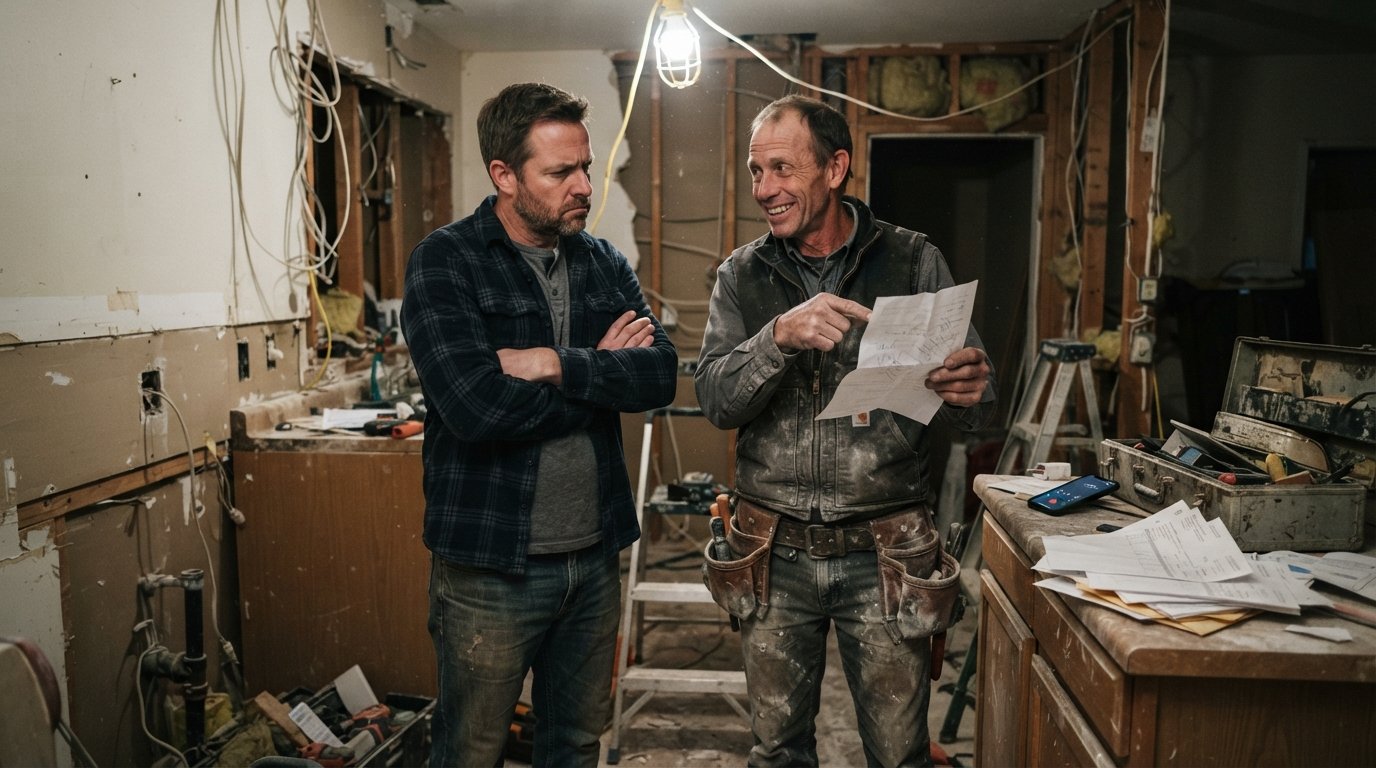
You have finally saved the budget, picked the tile, and sketched the layout for your dream kitchen. Then you meet a contractor who quotes a suspiciously low price, asks for half the payment upfront, and says he can start tomorrow. It feels exciting, but it also feels a little off. That hesitation is your gut trying to protect you, because the wrong contractor can turn a simple remodel into a financial and emotional nightmare. Knowing the red flags when hiring a home contractor before you sign anything is the difference between a smooth renovation and a costly disaster. This guide walks through the warning signs that should make you walk away, plus the questions that separate trustworthy pros from fast-talking risks.
Why a Few Warning Signs Matter More Than a Great Sales Pitch
Contractors sell trust as much as they sell labor. A confident handshake and a glossy portfolio can mask serious problems like expired licenses, unpaid suppliers, or a history of abandoned projects. Home improvement is expensive, and once you hand over a deposit, your leverage shrinks quickly. Spotting the red flags when hiring a home contractor early protects your budget, your timeline, and your sanity.
Most homeowners spend weeks researching paint colors and cabinet styles, but only a few hours vetting the person who will tear down walls. That imbalance is dangerous. The best time to screen a contractor is before you request a bid, not after you sign a contract. In our guide on licensed contractors and why hiring a pro pays off, we break down the financial and legal benefits of choosing someone who plays by the rules.
The 7 Red Flags When Hiring a Home Contractor
Not every warning sign is obvious. Some hide in the fine print, while others appear during a casual phone call. Watch for these seven signals, and treat any single one as a reason to pause, not necessarily a reason to walk away. Two or more should end the conversation.
1. They Demand a Large Deposit Before Work Begins
Reputable contractors need some money upfront to buy materials and secure permits, but the amount matters. A deposit of 10 to 20 percent of the total project cost is normal. Anything above 50 percent is a major red flag, especially if the contractor cannot explain exactly what the money covers. Some states cap upfront payments by law, so check your local regulations before writing a check.
If a contractor insists on a huge deposit or asks for cash only, they may be planning to disappear after the first week. A legitimate pro has credit accounts with suppliers and does not need your money to buy lumber. Ask for a detailed breakdown of what the deposit pays for, and never pay in full before the job is complete.
2. They Cannot Provide Proof of Insurance or a License
Every state has different licensing requirements, but a professional contractor should have no trouble showing you their license number and proof of workers compensation and liability insurance. If they hesitate, make excuses, or say they are "between policies," that is a dealbreaker. Without insurance, you could be liable for injuries on your property or damage to your home.
Call the licensing board in your state to verify the license is active and check for complaints. For insurance, ask for a certificate of insurance and contact the insurance company directly to confirm coverage. A contractor who is truly established will not blink at this request. In fact, they expect it.
3. They Refuse to Put the Estimate in Writing
A verbal estimate is not a contract. If a contractor gives you a price on a napkin or over text but avoids a formal written proposal, they are leaving room to inflate costs later. A professional bid should include a detailed scope of work, material lists, timelines, payment schedules, and warranty terms.
Beware of contractors who pressure you to sign quickly while the "discount" is still available. A legitimate pro lets you read the contract, ask questions, and even have a lawyer review it. If they rush you or say the paperwork is just a formality, they are hiding something. Always get at least three written bids for any project over a few thousand dollars.
4. They Have No Local Reputation or References
Contractors who work in your area should have a track record you can verify. Ask for names and phone numbers of recent clients, then actually call them. Ask about the contractor's punctuality, communication, and how they handled unexpected issues. If the contractor only offers references from out of town or refuses to share any, treat that as a major warning sign.
Online reviews are helpful, but they can be faked. Cross-check reviews on Google, Yelp, and the Better Business Bureau. Look for patterns, like complaints about leaving trash on site or disappearing for weeks. A single bad review is not a dealbreaker, but a pattern of similar complaints should end your interest.
5. They Ask You to Pull the Permits
Permits exist to protect you. They ensure the work meets local building codes and passes safety inspections. If a contractor suggests you pull the permit yourself to "save time" or "avoid fees," they are trying to dodge liability. When a homeowner pulls the permit, they become the responsible party, which means you are legally on the hook for any code violations or unsafe work.
A trustworthy contractor pulls the required permits as part of the job and includes the permit fees in the bid. If the contractor says permits are unnecessary for your project, that is usually a lie, especially for structural, electrical, or plumbing work. Check with your local building department to confirm what requires a permit, and make sure the contract states the contractor will obtain it.
6. They Have a History of Lawsuits or Liens
Before you hire anyone, search public records for lawsuits and mechanic's liens against the contractor's business. A mechanic's lien means a previous client or supplier took legal action to get paid, which often signals unpaid bills or shoddy work. You can search county court records online or ask the contractor directly if they have ever been sued.
If they have a few old lawsuits that were dismissed, that is less concerning than a pattern of judgments against them. Ask for an explanation. A contractor who gets defensive or refuses to answer is hiding a problem. Also check if they have any unpaid judgments or bankruptcies, which can affect their ability to finish your project.
7. They Pressure You to Sign Without a Lawyer's Review
Standard contracts are long, boring, and full of legal language. That is exactly why you should read every line and have a real estate attorney or a knowledgeable friend review it before signing. A contractor who rushes you to sign "today or the price goes up" is using scarcity to override your judgment.
Pay special attention to the payment schedule, change order process, and warranty terms. A good contract includes a clear process for handling changes, like adding an outlet or swapping tile, so you are not hit with surprise charges later. If the contract is vague about what happens if the contractor damages your property or misses the deadline, ask for specific language. Never sign a contract with blank spaces or vague phrases like "standard industry practice."
How to Vet a Contractor Before You Say Yes
Spotting red flags is only half the battle. You also need a system for verifying that a contractor is genuinely qualified. Use this checklist before you commit to any bid:
- Verify the contractor's license with your state licensing board and confirm it is current.
- Request a certificate of insurance and call the provider to verify coverage amounts.
- Ask for at least three references from the past year and contact every one of them.
- Search the contractor's name on your county court records for lawsuits or liens.
- Get three written bids and compare the scope of work, not just the total price.
Following this list takes a few hours, but it can save you tens of thousands of dollars. If you are working with a platform like BuySellRemodel, you already have a curated network of contractors who have been vetted for insurance and licensing. That is a strong starting point, but you should still do your own homework on any specific pro you are considering.
What to Do If You Spot a Red Flag
If a contractor shows any of the warning signs above, do not ignore them. Politely end the conversation and move on to the next candidate. There are plenty of experienced local contractors who are happy to provide proof of insurance, references, and a clear written contract. The cost of a few extra weeks of research is nothing compared to the cost of hiring the wrong person.
If you are already partway through a project and realize your contractor is unreliable, document everything. Take photos, save text messages, and keep copies of all contracts and receipts. In some cases, you can legally terminate the contract if the contractor has breached the terms. Consult an attorney before walking away mid-project, because a hasty exit can create legal complications.
Protect Your Project With Free Estimates and a Solid Plan
The best way to avoid contractor problems is to start with a strong plan and a realistic budget. When you request free estimates from multiple pros, you get a sense of fair pricing and you can compare how each contractor communicates. The lowest bid is rarely the best deal, especially if the contractor cut corners on materials or omitted essential work.
Use the estimate process as a screening tool. A contractor who asks thoughtful questions about your needs, inspects the site, and provides a detailed written proposal is showing genuine interest. One who gives a vague quote over the phone and pressures you to sign is likely to vanish when problems arise. For more help planning your project and setting a realistic budget, check out resources like HomeRemodelingsContractors, which offers practical guidance for homeowners comparing contractors and managing home improvement projects.
Your home is one of the biggest investments you will ever make. Taking a few extra days to vet contractors, read contracts, and trust your instincts is not paranoia, it is smart planning. The red flags when hiring a home contractor are often visible if you look for them. When you see a warning sign, thank the contractor for their time and keep looking. The right pro will make your renovation feel exciting, not stressful, and the finished result will be worth the wait.